
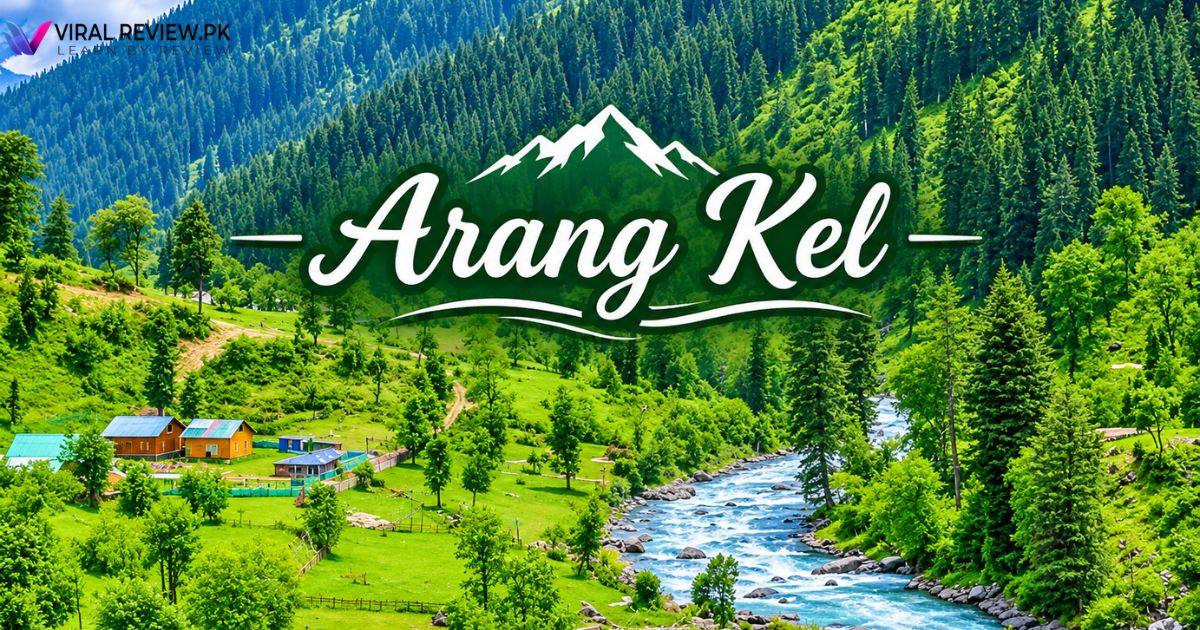
Some villages are simply found on a map. Arang Kel is found in the heart, and it stays there long after you return home.
Imagine opening your wooden window at sunrise and seeing mist drift slowly across a green meadow, while pine trees stand like silent guards and distant snow peaks glow pink. There is no horn, no traffic, and no hurry, only birdsong and the faint voice of a river far below.
That is an ordinary morning in Arang Kel, a fairytale hilltop village in the Neelum Valley of Azad Kashmir. Most people first meet it through a single photograph, then spend weeks wondering whether such a place can truly exist. It can, and it feels even better in person.
Pakistan has many beautiful mountain stops, and travelers who have already enjoyed Shogran Valley, Nagma Valley, or Katora Lake often say this village feels different. It is quieter, simpler, and more personal. You do not simply visit it, you earn it with a river crossing and a forest climb.
In this guide we cover the Arang Kel location, the Arang Kel height, the Arang Kel weather, the Arang Kel temperature, the road from the capital, and the best places to see. Whether you travel alone, with family, or with friends, you will find clear, practical advice for a smooth and unforgettable trip.
A Village Above the Clouds
There is a kind of silence in the mountains that city people have forgotten. In this village it greets you the moment you step off the trail, and it makes you slow down, breathe deeper, and listen to your own thoughts again.
Why Travelers Fall in Love at First Sight
Visitors arrive tired from the climb and leave with full hearts. A warm cup of tea in a wooden hut, a sunset over a quiet meadow, and a sky full of stars are small things, yet together they make a memory that refuses to fade.
Why Go to Arang Kel? Because Ordinary Trips Cannot Compare
Most holiday spots are crowded, loud, and packed with shops. This village is the opposite. It remains a simple settlement where life moves with the seasons, and that gentle pace is exactly what tired minds need.
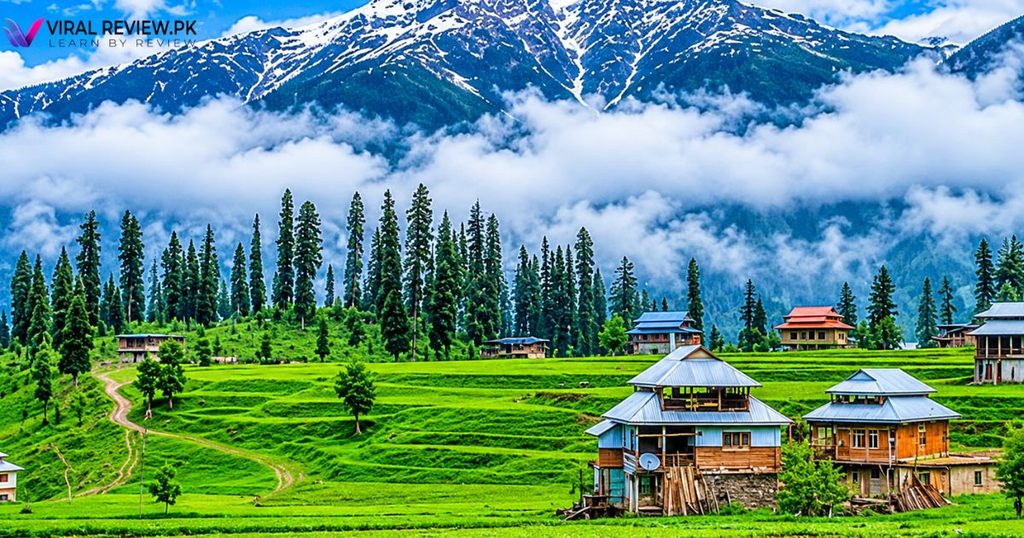
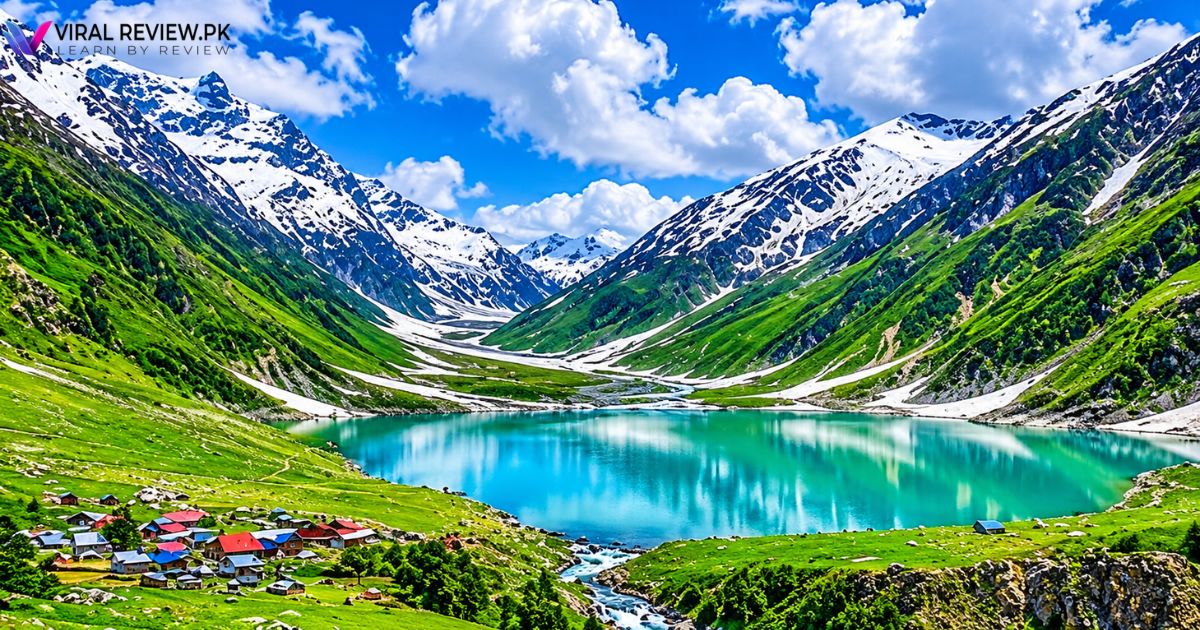
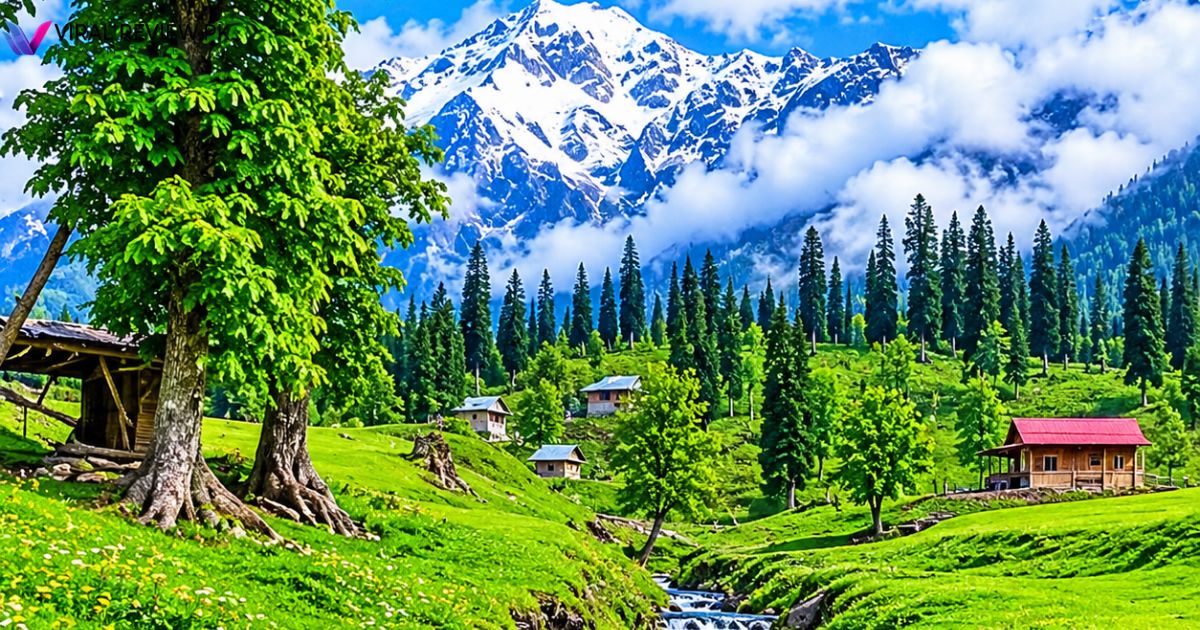
The scenery is extraordinary. Soft green meadows roll across the hilltop, thick forests of pine and fir wrap the slopes, and snow-dusted ridges stand on the horizon. Wherever you turn your head, you find a postcard.
You cross a wide, rushing river in a small chairlift, then climb a forest trail that passes wildflowers, streams, and glimpses of waterfalls. By the time you arrive, you feel proud of every step.
The culture is warm and genuine. Local families still live in traditional wooden houses, cook fresh meals over wood fires, and welcome visitors like relatives. You never feel like a stranger here, you feel like a guest.
It is a rare chance to disconnect. Mobile signals are weak and electricity is limited, so your phone matters less and the stars matter more. For anyone worn out by deadlines and screens, this is a priceless gift.
Finally, the village suits every kind of traveler. Photographers love the golden light, couples love the privacy, families enjoy the open grass, and solo travelers discover a calm they did not know they were missing.
Arang Kel Location: Where Exactly Is This Hidden Paradise?
The village sits on a high ridge above Arang Kel, a small town in District Neelum, close to the Line of Control, with the Neelum River flowing far below.
To reach it, you first travel to Arang Kel and then cross the river by chairlift. From the upper station, a forest trail of roughly 2 to 3 kilometers climbs to the village. Most people complete the walk in about 1.5 to 3 hours, depending on fitness, luggage, and how often they stop for photographs.
The nearest well-known stop on the road is Sharda, while Muzaffarabad serves as the main gateway city for the whole valley.
Arang Kel from Islamabad: The Road Journey
Planning a trip to Arang Kel from Islamabad is simple once you know the route. Most travelers drive first to Muzaffarabad, then continue along the Neelum Valley road through Athmuqam and Sharda until they reach Kel.
The journey usually takes between 9 and 11 hours, depending on traffic, road conditions, and your photo stops. Many people split it into two days, resting overnight in Muzaffarabad or Athmuqam, so they can reach the chairlift fresh and relaxed.
A reliable 4×4 or local jeep is recommended for the final stretch, especially after rain or snow. Landslides can block parts of the valley, so check road conditions before leaving and start early to arrive before dusk.
Arang Kel Height: How High Is This Mountain Village?
The Arang Kel height is generally reported at about 2,400 meters above sea level, which is roughly 7,900 feet. Different sources give slightly different numbers, so please treat this figure as an approximation.
This altitude is high enough to feel fresh and cool, yet not so high that most healthy visitors suffer serious altitude sickness. Even so, the steep climb can leave beginners breathless, so walk slowly, drink water often, and rest without guilt.
The village rests on a plateau-like ridge, which explains why the views feel so wide and open. You look down at the river valley and up at the mountain walls at the same time, and that double view is one of the reasons the place feels so magical.
Arang Kel Weather: Know Before You Pack
Arang Kel weather changes quickly, as it does in most mountain places. Summer, from May to September, is the most popular season. Days are mild and pleasant, skies are mostly clear, and the meadow is at its greenest. Light rain is common, especially during the monsoon months of July and August.
October brings crisp air and golden colors, though nights turn cold fast. From roughly November to March, winter is harsh. For most visitors, the best window is late May to mid-September. Check the Arang Kel weather forecast before you leave, and carry a waterproof jacket even if the sky looks perfectly clear.
Arang Kel Weather Temperature by Season
The Arang Kel temperature depends strongly on the season and the time of day. These approximate ranges will help you pack:
- Summer (May to September): daytime about 15°C to 25°C, nights about 5°C to 10°C.
- Autumn (October): daytime about 8°C to 15°C, nights near or just above freezing.
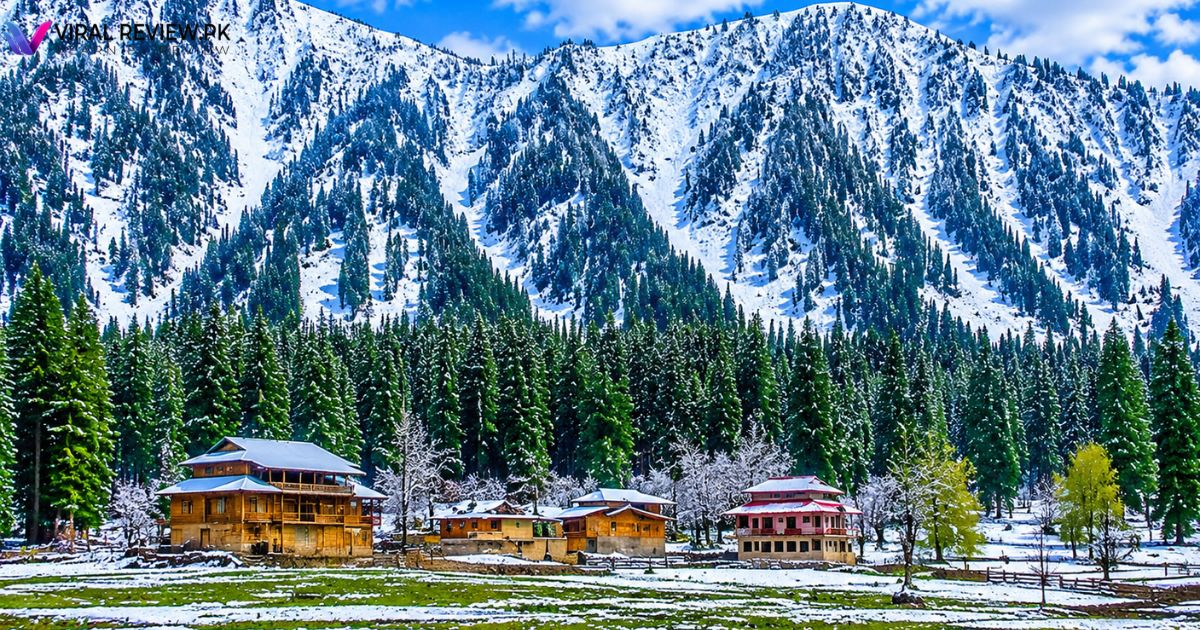
- Winter (November to March): daytime around 0°C or below, nights often well under freezing with deep snow.
- Spring (April): cool and unpredictable, roughly 5°C to 12°C by day with patches of snow.
Even in July, nights can feel surprisingly cold, so thermal layers and a woolen cap are never a mistake. The Arang Kel weather temperature falls quickly once the sun disappears behind the ridge.
Arang Kel at a Glance: Quick Summary
| Detail | Information |
| Place | Arang Kel Village |
| Region | Neelum Valley, Azad Jammu and Kashmir, Pakistan |
| Nearest town | Kel |
| Approx. height | About 2,400 m (around 7,900 ft) |
| Access | Chairlift across the river, then a forest trek |
| Trek time | About 1.5 to 3 hours |
| Journey time | Roughly 9 to 11 hours by road from the capital |
| Best season | Late May to mid-September |
| Summer temperature | About 15°C to 25°C by day, 5°C to 10°C at night |
| Winter | Heavy snow, very cold, often inaccessible |
| Stay | Simple wooden huts and guesthouses |
5 Famous Places and Experiences Around Arang Kel
This village is more than one pretty spot. The settlement and the valley around it offer several unforgettable highlights. Here are the five most famous.
1. The Green Meadow and Village Viewpoint
The heart of the village is the meadow and the reason most people make the journey. Wooden huts sit on soft grass while pine forests and ridges rise behind them in perfect layers.
The best times to be here are sunrise and sunset. The light turns the grass golden and the peaks pink, and photographers often stay for hours without moving.
Sit quietly with a cup of hot tea and simply look. Few views in Pakistan feel this peaceful.
2. The Chairlift Ride Across the Neelum River
The adventure begins with a small, manually operated chairlift that carries passengers across the rushing river. It is short, simple, and thrilling in equal measure.
Below you, the water roars through the gorge. Around you, the mountains open up. Many first-time visitors grin, gasp, and reach for their cameras all at once.
Keep your bags light and secure, and follow the operator’s instructions at all times.
3. Sharda and the Ancient Sharda Peeth Ruins
A short drive from Kel brings you to Sharda, a quiet town with deep history. It is known for the ruins of Sharda Peeth, an ancient center of learning that holds great religious and academic importance in South Asian history.
Walking among the old stone remains, you can almost feel centuries of scholars and pilgrims behind you. Many visitors combine Sharda with their village trip for a perfect mix of nature and heritage.
4. The Forest Trail and Its Hidden Waterfalls
The climb itself is a highlight. The trail winds through shady forest, crosses small streams, and opens suddenly onto viewpoints where the whole valley lies below you.
Listen for water spilling off the rocks and watch for wildflowers along the edges. Take your time, because the trail is as beautiful as the destination.
5. Kel Bazaar and the Riverside Evenings
Before or after the climb, spend an evening in Kel itself. The small bazaar sells snacks, warm tea, and basic supplies, and the riverside walks are calm and refreshing.
Watch the light fade on the mountains, listen to the river, and chat with local shopkeepers about the weather and the trail. These simple moments often become the most treasured memories of the trip.
8 Magical Tips for Arang Kel Travel
Tip 1: Start early. Leave the capital before sunrise, because the valley road is scenic but slow. Reaching Kel before dusk gives you time to rest before the climb.
Tip 2: Book your stay in advance. Rooms are few and fill quickly in summer. Expect simple wooden huts with basic bedding, shared facilities, and home-cooked food rather than luxury service.
Tip 3: Pack light but warm. Bring thermal layers, a rain jacket, sturdy trekking shoes, a flashlight, sunscreen, a power bank, and basic medicines. Every extra kilogram feels heavier on the uphill trail.
Tip 4: Carry cash. Cards and mobile banking do not work reliably in the mountains. Keep small notes for tea, snacks, porters, and the chairlift.
Tip 5: Hire a porter if needed. If you have heavy bags or children with you, local porters make the climb far easier and also support the village economy.
Tip 6: Respect local customs. Dress modestly, ask before photographing people, and greet villagers politely. A little respect earns a lot of warmth.
Tip 7: Keep the mountain clean. Carry your garbage back with you and avoid plastic where possible. The meadow stays beautiful only if every visitor protects it.
Tip 8: Check conditions before you go. Roads, weather, and trail status can change quickly, so confirm them with locals and keep your plan flexible.
Best Time to Visit: Month by Month
Timing shapes the whole experience, so choose your month with care. May and June bring fresh grass and mild days, though some patches of snow may remain on higher ground.
July and August are the most popular months, with lush meadows and warm days, but rain and fog are common and landslides can interrupt the road. September is quieter and often has clear skies that photographers love.
October is beautiful for golden colors but cold at night. From November onward, snow takes over and the village becomes difficult to reach.
Food, Culture, and Local Hospitality
The people of the Neelum Valley are famous for their warmth. A cup of salty Kashmiri tea or fresh milk tea in a wooden hut can turn a tired afternoon into a precious memory.
Expect simple, hearty meals such as rice, eggs, and local vegetables, often cooked over a wood fire. River trout is a common treat in lower villages, and honey and dried fruits make excellent trail snacks.
Learn a few polite words, smile often, and accept invitations for tea when you can. Many travelers say the friendships they made were as precious as the views.
Fitness and Safety Before You Go
The climb is not extreme, but it is steady and uphill, so a little preparation helps. Walk daily with a backpack for a few weeks, add stairs or short hill climbs, and break in your shoes well before departure.
On the trail, drink water regularly, take short breaks, and never rush. If the sky turns dark or the trail becomes slippery, wait for conditions to improve instead of forcing your way forward. A safe return always matters more than a perfect photograph.
Where to Stay: What to Expect Up There
Accommodation in the village is simple and charming. Most guests sleep in wooden huts or small guesthouses with thick blankets, shared washrooms, and basic lighting. Hot water may be limited, and electricity often depends on solar panels or small generators, so charge your devices before the climb.
Meals are usually cooked by the host family and served at fixed times. Tell your host about any food needs when you arrive, and keep your expectations realistic. The charm of the place comes from its simplicity, not from comfort.
Anyone planning Arang Kel from Islamabad should also decide whether to sleep one night in Kel before the climb. Doing so splits the journey, saves energy, and lets you start the trail in the cool morning hours.
Photography Tips for Stunning Shots
This village is a dream for photographers, but good pictures still need planning. The best light appears in the first hour after sunrise and the last hour before sunset, when long shadows and warm colors make the meadow glow. Keep your phone or camera in a waterproof bag because mist and sudden rain are common.
Do not forget the night sky. With almost no light pollution, the stars are sharp and thick, and even a basic tripod and a long exposure can produce a breathtaking picture. Always ask permission before photographing local people, and never disturb the animals grazing nearby.
Planning Your Budget and Time
A trip here does not have to be expensive, but it rewards careful planning. Transport usually takes the largest share of your spending, especially if you hire a private jeep, so sharing a vehicle with friends can reduce the cost for everyone.
Plan at least three days for a comfortable visit: one day for the drive, one day for the climb and the village, and one day for the return or for visiting Sharda. Families who travel with children, or visitors who want to rest and explore, may prefer four or five days.
If you are travelling Arang Kel from Islamabad on a tight schedule, start before dawn, avoid long stops, and keep one spare day in case rain or a landslide delays the road. Flexible planning is the secret to a stress-free journey.
Frequently Asked Questions About Arang Kel
Where is Arang Kel located?
It is in Neelum Valley, Azad Jammu and Kashmir, above the town of Kel.
How high is the village?
It sits at roughly 2,400 meters, or about 7,900 feet, above sea level.
How long is the trek?
The uphill trek takes about 1.5 to 3 hours after the chairlift crossing.
How far is it from Islamabad?
The journey from Islamabad usually takes around 9 to 11 hours by road.
What is the best time to visit?
Late May to mid-September offers the most pleasant weather and open trails.
What is Arang Kel weather in summer?
Summer days are about 15°C to 25°C, while nights can drop to about 5°C to 10°C.
Is it safe for families and solo travelers?
It is generally welcoming, but always check road and weather updates first.
Are there hotels in the village?
There are simple wooden guesthouses and huts, but no luxury hotels.
Conclusion
Arang Kel is not just a destination, it is a feeling. It is the feeling of leaving the noise behind, climbing through the forest, and arriving at a meadow where time itself seems to rest.
From the thrilling chairlift ride to the golden sunsets and the warm hospitality of the villagers, every moment here feels meaningful. You come back with photographs, but more importantly, you come back with peace.
Plan carefully, check the weather, pack for the cold, and respect the land and its people. A little preparation turns a good trip into a life-changing one, and the eight tips above will keep you safe and comfortable.
So if your heart has been whispering for something wilder, calmer, and more real, listen to it. Pack your bag, leave the city behind, and let Arang Kel show you what you have been missing.
A Thought to Carry With You
“The mountains do not ask who you are; they simply teach you how small your worries really are.”