
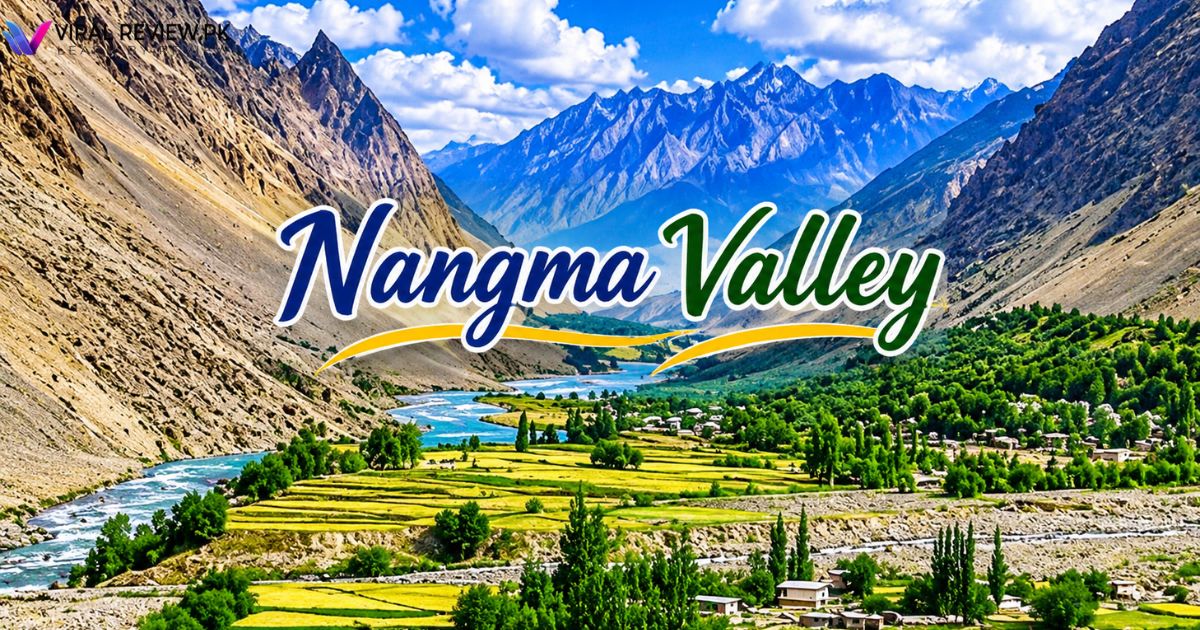
A complete travel and trekking guide to Nangma Valley, Khaplu region, Gilgit-Baltistan.
If Pakistan had a secret garden, Nangma Valley would be hiding right behind the gate.
Tucked deep in the Karakoram range of Gilgit-Baltistan, Nangma Valley is a quiet pocket of green meadows, glacial streams and towering granite walls. It lies in the Khaplu region, a few hours by road from Skardu, and it is one of the most exciting trekking destinations in the country right now.
Most visitors to the north head for Hunza, Fairy Meadows or Skardu’s famous lakes. Far fewer know about Nangma Valley, and that is part of the magic. Here you can walk for hours, meet only shepherds and goats, and still feel like you are starring in a travel documentary.
A small warning, though. Nangma Valley has no Wi-Fi. What it has instead is a view that makes you forget to ask for the password.
Why Everyone Is Talking About Nangma Valley
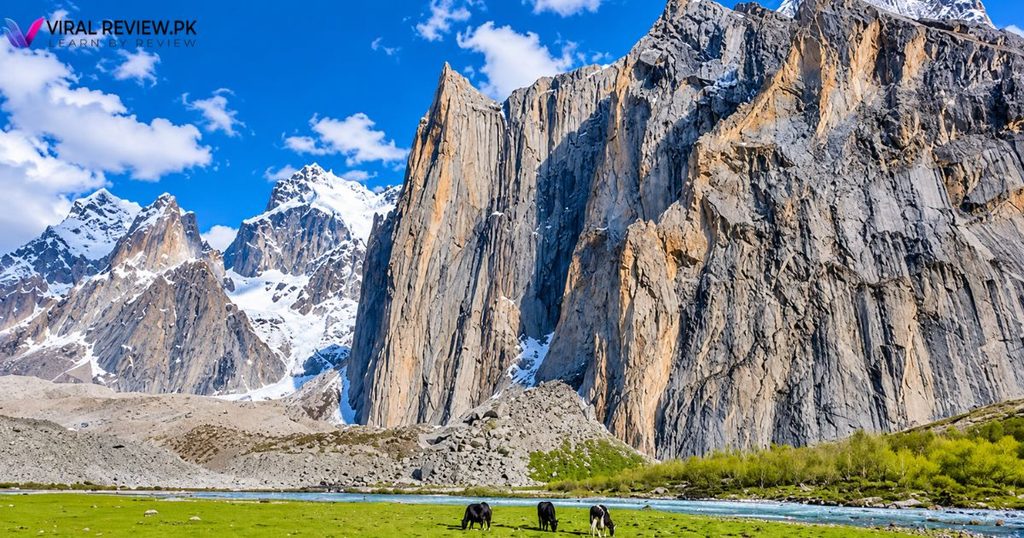
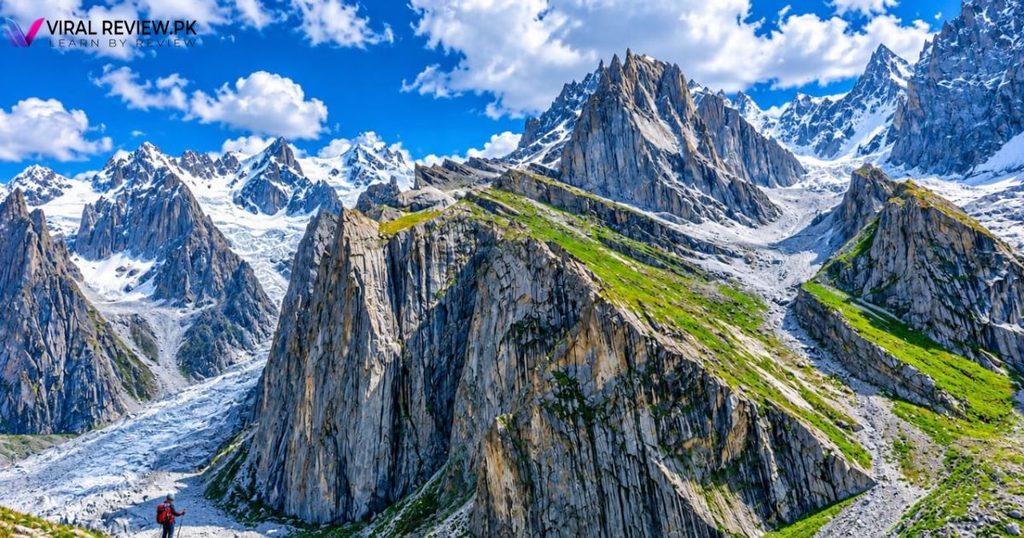
Imagine waking up in a tent at around 3,500 metres. The air is cold and crisp, and the first sunlight is sliding down a giant rock wall called Amin Brakk. Breakfast is hot tea, fresh bread and a view that no hotel in the world can sell you.
That is a normal morning in Nangma Valley.
The trek is moderate, the camps are green, and the scenery is the kind that makes experienced trekkers go quiet. In 2025, a New York Times list of places to visit was widely reported to have included the Nangma Valley trek, and interest has been growing ever since.
So what makes this place so special? Keep reading. By the end of this guide, Nangma Valley may be at the top of your travel list.
Nangma Valley Quick Facts
Short on time? Here is everything people search for most, in one place.
| Question | Quick Answer |
|---|---|
| Which country? | Pakistan |
| Region | Khaplu, Gilgit-Baltistan |
| Mountain range | Karakoram |
| Trailhead | Kanday village (~2,680 m) |
| Campsite height | ~3,500 m |
| Nearest city | Skardu |
| Best time | June to October |
| Trek length | About 4 days |
| Difficulty | Moderate |
| Famous peaks | Amin Brakk, K6, Shingu Charpa |
Is Nangma Valley Trek Difficult?
This is one of the most common questions about Nangma Valley, and the honest answer is that it is moderate. The daily walks are short, usually three to seven hours, and the trails are well marked.
The real challenge is altitude, not distance. At around 3,500 metres, the air is thinner, so even easy walking feels harder than at home. Fitness helps, but patience helps more.
If you can walk for several hours with a light pack and you take regular breaks, you can manage this trek. Beginners should go with a guide.
How Much Does the Nangma Valley Trek Cost?
Prices vary widely. Group departures and shorter local packages can cost less. Treat that figure as an example, not a fixed rate.
The final price depends on:
- Trip length and number of rest days
- Private tour or shared group
- Flights, hotels and jeep transfers included or not
- Whether a guide, porters and cook are provided
Ask two or three operators for a written quote that lists exactly what is included.
Is Nangma Valley Safe for Tourists?
Many visitors travel to Nangma Valley each summer with licensed guides and report a friendly welcome from local people. As in any mountain region, safety comes down to preparation.
- Check current travel advice and local conditions before you go.
- Book through a registered operator.
- Keep spare days for weather delays.
- Share your itinerary with family or friends.
The weather and the altitude are the biggest everyday risks, so take them seriously.
Why Is Nangma Valley Trending Right Now?
Social media, travel bloggers and international trekking companies have all started talking about Nangma Valley. Several reasons explain the sudden buzz.
First, the trek is shorter and gentler than famous Karakoram routes such as K2 Base Camp, so more people feel confident trying it. Second, the scenery is truly cinematic, which makes it perfect for photos and videos. Third, it supports local communities in Gilgit-Baltistan, because guides, porters, cooks and jeep drivers all earn a living from visitors.
If you want to experience the valley before the crowds arrive, the time to go is now.
Why Visit Nangma Valley?
There are plenty of reasons to put Nangma Valley on your itinerary.
- Dramatic scenery. Amin Brakk, Kolpin Peak and the mighty K6 dominate the horizon.
- A trek for most fitness levels. The trails are well marked and the daily distances are manageable.
- Fewer crowds. It is still far quieter than the more famous northern destinations.
- Local culture. You pass through Kanday village and may meet Balti families and shepherds along the way.
- A great base for photographers. Meadows, glacial streams, suspension bridges and granite peaks all appear within a few days of walking.
A Short History and Culture of Nangma Valley
Baltistan is often called “Little Tibet” because of its Tibetan-influenced language, architecture and traditions. The people here, known as Balti, have lived among these high mountains for centuries and farm small terraces of barley, wheat and apricots.
For generations, herders have taken their animals up to the high pastures near Nangma Valley in summer, then returned to the villages before winter. Many of the trails you walk today follow those old grazing routes.
In recent years the valley has become better known to trekkers, but it still feels very local. Greet people with a smile, ask before taking photos, and you will often be invited for a cup of tea.
Nangma Valley Location and Which Country It Is In
People often search “Nangma Valley which country,” so here is the answer. In the Karakoram mountain range, Nangma Valley is in Pakistan, in the Gilgit-Baltistan region.
More precisely, it lies in the Khaplu area of the Ghanche district, near the Hushe River. The nearest big town is Skardu, and the nearest trailhead village is Kanday.
If you search for a Nangma Valley location map, you will see that it sits north of Khaplu and east of Skardu. Download an offline map before you go, because mobile signal on the trail is weak or absent.
Nangma Valley Height
The Nangma Valley height depends on where you stand.
- Kanday village (trailhead): about 2,680 metres
- Nangma Valley campsite: roughly 3,500 metres (11,480 feet)
- Amin Brakk base camp: higher still, reached by a day hike
- K6 peak in the background: 7,282 metres
Because the climb gains height steadily, the altitude can still be felt even on a moderate trek.
How Nangma Valley Compares with Other Karakoram Treks
The Karakoram is famous for hard, high-altitude expeditions that need weeks of preparation. Nangma Valley is different. It offers big mountain views without extreme days or technical climbing.
Compared with the longer treks in Baltistan, it is shorter and easier to fit into a single holiday. Compared with the busy tourist spots further north, it is quieter and more peaceful. And compared with the glacier routes, the trail here is greener, with meadows and streams for much of the walk.
That balance of beauty and accessibility is exactly why many people call Nangma Valley a perfect first Karakoram trek.
Nangma Valley Weather and Temperature
The Nangma Valley weather is typical of the Karakoram: bright sun, cold shade and fast changes. A clear morning can turn cloudy by afternoon, so check the forecast before each day’s walk.
The Nangma Valley temperature is pleasant in the day during summer but can drop sharply at night, especially near 3,500 metres. Pack warm layers even in July.
| Season | Weather | Verdict |
|---|---|---|
| Spring (Apr–May) | Cool, snow melting | Possible |
| Early Summer (June) | Mild, green meadows | Good |
| Peak Summer (Jul–Aug) | Warm days, cold nights | Best |
| Autumn (Sep–Oct) | Crisp, golden colours | Great |
| Winter (Nov–Mar) | Heavy snow, very cold | Best for heavy snow lovers |
Note that flights between Islamabad and Skardu can be delayed or cancelled when weather is poor, so keep some spare days in your schedule.
How to Reach Nangma Valley
Many travellers ask “how to reach Nangma Valley.” The route is simple once you know the stages.
- Reach Skardu. Fly from Islamabad (about one hour, weather permitting) or take a long road journey along the Karakoram Highway.
- Drive from Skardu to Khaplu. This takes around three hours.
- Drive on to Kanday village. Another journey of a few hours by jeep, depending on the road and the operator.
- Trek from Kanday to Mingulo Broq. A short, steep first leg, crossing a wooden bridge over the Hushe River.
- Trek from Mingulo Broq to the Nangma Valley campsite. About four hours, with some ascent.
Some tour operators run the Skardu to Kanday journey as a single long jeep day of five to six hours. Ask your operator for the exact plan.
Nangma Valley Distance from Major Cities
Distances vary by route and road conditions, so treat these as rough guides and confirm before you travel.
| Distance From | Approx. Distance / Time |
|---|---|
| Islamabad to Skardu by air | ~1 hour flight |
| Islamabad to Skardu by road | Roughly 20+ hours |
| Skardu to Khaplu | ~3 hours drive |
| Skardu to Kanday trailhead | ~5–6 hours by jeep |
| Lahore to Skardu | Fly via Islamabad or a very long road trip |
The Nangma Valley distance from Islamabad is long on paper, which is why most people fly to Skardu. The Nangma Valley distance from Skardu is much easier, because the trailhead is reached in a day by road. As for the Nangma Valley distance from Lahore, plan it as a two-step journey through Islamabad.
In short, if you search for the Skardu to Nangma Valley distance, think in hours of driving and walking, not just kilometres.
Famous Places Near Nangma Valley
The trip is bigger than one valley. Nangma Valley sits in the heart of Gilgit-Baltistan, surrounded by some of the most dramatic scenery in the Karakoram. Here are seven places worth knowing, whether you are planning your route, packing your gear, or simply dreaming about the journey.
Skardu
The gateway to the karakarom.
Almost every journey into the region begins here. Skardu has a lively bazaar where you can pick up last-minute supplies, trekking poles, warm layers, dry food and rental gear. The town is also rich in sights. Kharpocho Fort overlooks the Indus River and offers sweeping views of the valley below, while the Manthal Rock Buddha is a carved relic from the area’s ancient Buddhist past. Spend a day or two here to acclimatize, sort your permits and logistics, and enjoy local dishes before heading into the mountains.
Khaplu
A peaceful town of wood,stone and mountain views.
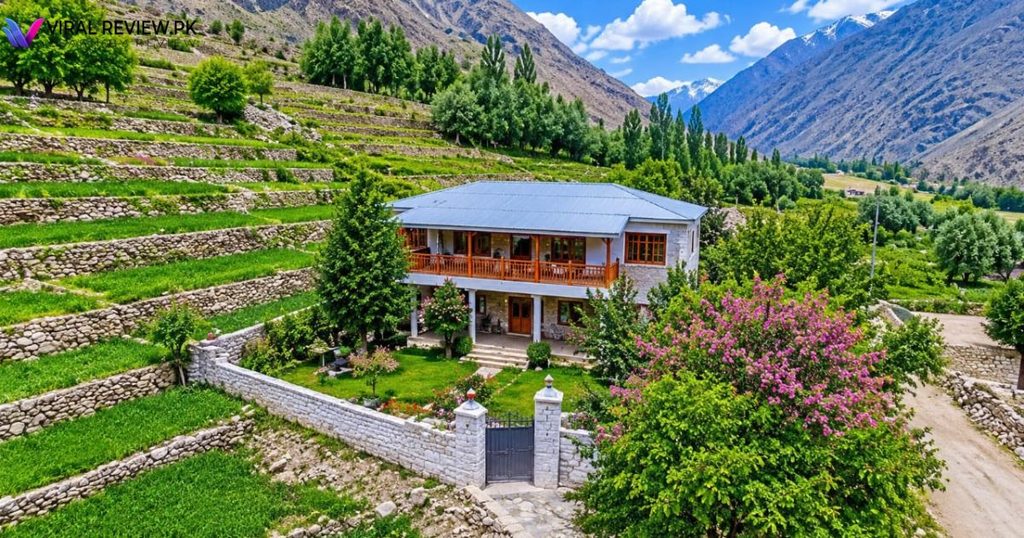
Khaplu is known for its traditional wooden architecture, apricot orchards and calm pace of life. Historic buildings, including the restored Khaplu Palace, show the craftsmanship of the Balti people. It is the main stop before heading into the Hushe region, so it is a good place to rest, recharge your phone and camera, and eat a proper meal before the trail. Many travelers find themselves wishing they had planned an extra night here.
Kanday Village
The trailhead for the trek.
Small, welcoming and surrounded by terraced fields, Kanday is where the trek begins. It is the best place to meet your porters and guides, finalize your packing, and check loads before setting out. Local hospitality is warm, and a cup of tea with the villagers is a gentle introduction to the culture of the valley. Take a moment to enjoy the view, because the landscape grows steadily wilder from here.
Mingulo Broq
The first campsite along the trail.
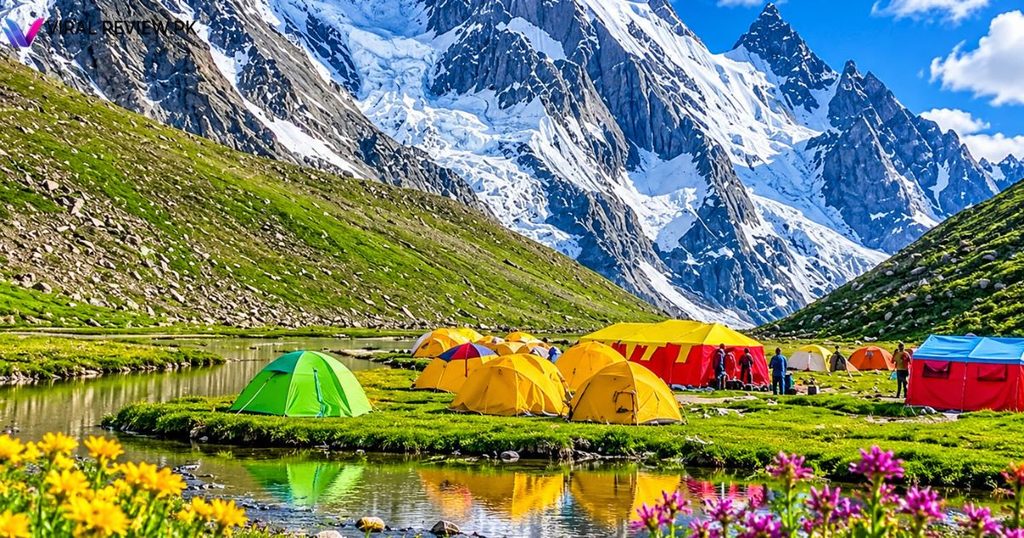
Green fields, grazing land and a glacial stream make Mingulo Broq a beautiful first night. The terrain is gentle enough to ease your body into trekking, and the water source is convenient for camp routines. Evenings are cool and quiet, with the peaks slowly turning gold at sunset. It is a perfect spot to settle in and get used to the altitude.
Amin Brakk Base Camp
A famous granite giant and a rewarding day hike.
Amin Brakk is one of the most striking granite walls in the region, loved by climbers and photographers alike. The hike from the main campsite takes roughly six to seven hours round trip and involves about 640 metres of climbing. The path crosses rocky terrain and streams, so sturdy boots and an early start are recommended. The reward is a close-up view of a sheer vertical wall that feels almost unreal in scale.
K6 and the Surrounding Peaks
The skyline that steals the show.
On clear days, K6 rises in the distance at 7,282 metres, its snowy summit gleaming above the valley. Shingu Charpa and Kolpin Peak add more drama to the horizon, forming a jagged wall of rock and ice. Mornings usually offer the clearest views, so keep your camera ready at sunrise. Even if clouds hide the peaks for a while, patience is often rewarded with a sudden, spectacular reveal.
Safranga Cold Desert
A surreal landscape of sand and snow.
At about 2,300 metres above sea level, Safranga near Skardu is often described as one of the highest cold deserts in the world. Rolling dunes stretch beneath snow-capped mountains, creating a contrast you rarely see anywhere else. Some visitors enjoy jeep rides or short walks across the dunes.
Travel Tips
- Best season: Late spring to early autumn offers the most stable weather and open trails.
- Acclimatization: Allow a rest day in Skardu or Khaplu before gaining altitude.
- Packing: Bring layers, a good sleeping bag, sun protection and a reliable pair of broken-in boots.
- Respect local culture: Dress modestly in villages, ask before photographing people, and carry out all of your trash.
- My packing list had 40 items. My back says 38 of them were optional.
Best Things to See and Do in Nangma Valley
Once you arrive, make time for these experiences.
- Sunrise on Amin Brakk. The light on the rock wall is unforgettable.
- A walk through the green meadows beside the glacial stream.
- A day hike to Amin Brakk base camp.
- Stargazing at the campsite, where the night sky is clear and full.
- Cultural moments, such as a Balti music or dance evening arranged by some tour groups.
- A rest day to simply sit, drink tea and enjoy the silence.
Many people also search for Nangma Valley trek photos before they go. Take your own and share them. Real photos help other travellers decide.
What to Pack for Nangma Valley
A good packing list keeps you comfortable and safe. Here is a simple guide.
- Clothing: thermal base layers, a fleece, a windproof jacket, a rain shell, a warm hat and gloves.
- Footwear: sturdy trekking boots with good grip, plus spare socks.
- Sleeping gear: a warm sleeping bag, unless your operator provides one.
- Sun protection: sunglasses, sunscreen, lip balm and a cap.
- Health items: a basic first aid kit, blister plasters and any personal medicines.
- Gadgets: a headlamp, power bank and spare camera batteries.
- Water: a reusable bottle and purification tablets.
Pack light. Porters can carry heavy loads, but a smaller bag is easier on everyone.
Nangma Valley Trek: Quick Guide
The Nangma Valley trek is generally rated moderate. Several operators describe the trails as well marked and relatively easy, with short daily walking times.
A typical pattern looks like this:
- Kanday to Mingulo Broq: a short but steep first leg.
- Mingulo Broq to the Nangma Valley campsite: about four hours and 6 km, with roughly 600 metres of climbing.
- Amin Brakk base camp day hike: six to seven hours round trip.
- Return to Kanday and Skardu: a long descent and a drive.
Tips for a smoother trek:
- Wear broken-in trekking shoes.
- Use poles on the steep sections.
- Start early each day to avoid afternoon weather changes.
- Carry a rain jacket even when the sky looks clear.
- Go with a licensed local guide and porters if you are new to high-altitude walking.
Food and Photography Tips
Food
Most organised treks include full-service camping with a cooking team, so expect hot meals at every camp. Typical meals include local soup, rice, daal, vegetables, bread and chai. In Skardu and Khaplu you can also try Balti dishes and fresh apricots in season.
Carry snacks such as dry fruits, nuts and energy bars for the trail.
Photography
Nangma Valley rewards photographers who plan ahead.
- Golden hour brings out the granite colours of Amin Brakk.
- A wide-angle lens captures the full valley.
- Suspension bridges and streams make strong foreground subjects.
- A tripod helps with night sky shots.
- Spare batteries are essential, because cold drains them fast.
Hotels and Camping Near Nangma Valley
In the valley itself, accommodation is camping. Most trek operators provide tents, sleeping mats and meals. Bring a warm sleeping bag if your operator does not supply one.
Before and after the trek you can stay in comfortable hotels and guesthouses in Skardu, Khaplu or Shigar. Book early in July and August, when demand is highest.
Budget Planning for Nangma Valley
Costs depend on the season, group size and the type of operator, so always ask for a current written quote. A trip to Nangma Valley usually includes these main expenses:
- Flights or road transport to Skardu from your home city.
- Jeep hire between Skardu, Khaplu and Kanday village.
- Guide, porters and cook, usually bundled in a trek package.
- Camping and meals on the trail.
- Hotels before and after the trek.
- Extras such as gear rental, tips and souvenirs.
Some international operators list private trips at a much higher price than local companies, so compare several options. Travelling in a group can help you share jeep and camping costs, and a local operator often gives better value.
Permits and Booking Tips
Rules in Gilgit-Baltistan can change, so check current permit requirements with your tour operator before you travel. Book your flight to Skardu early, and keep a backup plan because weather can delay it.
When choosing an operator, look for recent reviews, clear inclusions and licensed guides. Ask what happens if the weather forces a change in your schedule.
4-Day Nangma Valley Trek Plan
Day 1: Skardu to Kanday to Mingulo Broq
- Drive to Kanday village.
- Cross the wooden bridge and begin the climb.
- Camp at Mingulo Broq.
Day 2: Mingulo Broq to Nangma Valley
- Walk through green fields beside the stream.
- Reach the campsite by lunchtime.
- Rest and enjoy the view.
Day 3: Amin Brakk Base Camp
- Take the guided day hike.
- Return to camp before dark.
- Stargaze and sleep early.
Day 4: Trek Down and Drive to Skardu
- Descend to Kanday.
- Enjoy lunch in the village.
- Drive back along the Indus River to Skardu.
With extra time, add a rest day at the campsite or a short hike toward K6.
Altitude and Health Tips for Nangma Valley
At around 3,500 metres, some trekkers feel headaches, tiredness or poor sleep. This is common and usually mild if you take it slowly.
- Walk at a steady, comfortable pace.
- Drink water often, even if you do not feel thirsty.
- Eat light, regular meals.
- Avoid smoking and heavy alcohol.
- Rest if you feel dizzy, and tell your guide immediately.
- Descend if symptoms get worse.
If you have a heart or breathing condition, speak to a doctor before planning a trip to Nangma Valley.
Responsible Tourism in Nangma Valley
The valley stays beautiful only when visitors look after it. A few habits make a big difference.
- Carry all rubbish back down, including plastic and food wrappers.
- Do not use soap or detergent in the streams.
- Keep noise low so others can enjoy the silence.
- Ask before photographing local people.
- Buy supplies from local shops and eat in local homes when invited.
- Stay on marked trails to protect the meadows.
If every traveller follows these rules, the next group will see Nangma Valley just as clean and green as you did.
Frequently Asked Questions
Best time suggested to visit Nangma Valley?
June to October, with July and August being the most popular.
What is the temperature in Nangma Valley?
Mild in the day, but cold at night in all seasons.
Can beginners trek in Nangma Valley?
Yes, with a guide and good preparation.
Where can I stay?
In camps on the trail while in Skardu, Khaplu and Shigar hotels are available.
Do I need a guide?
A local guide is strongly recommended.
How many days do I need for Nangma Valley?
Plan at least four days on the trail, plus travel days to and from Skardu.
What is the nearest airport to Nangma Valley?
Skardu Airport, followed by a drive through Khaplu to Kanday.
Final Thoughts: Is Nangma Valley Worth It?
Absolutely. Nangma Valley gives you big mountains without extreme difficulty, warm local hospitality and scenery that feels almost unreal.
Go prepared, travel respectfully and leave nothing behind but footprints. Whether you are a first-time trekker or a seasoned hiker, Nangma Valley has something to teach you.
Once you have seen Amin Brakk glowing at sunrise, you will understand why people keep returning to Nangma Valley and why they never stop talking about it.
Quote of Inspiration:
“Not all those who wander are lost.”