
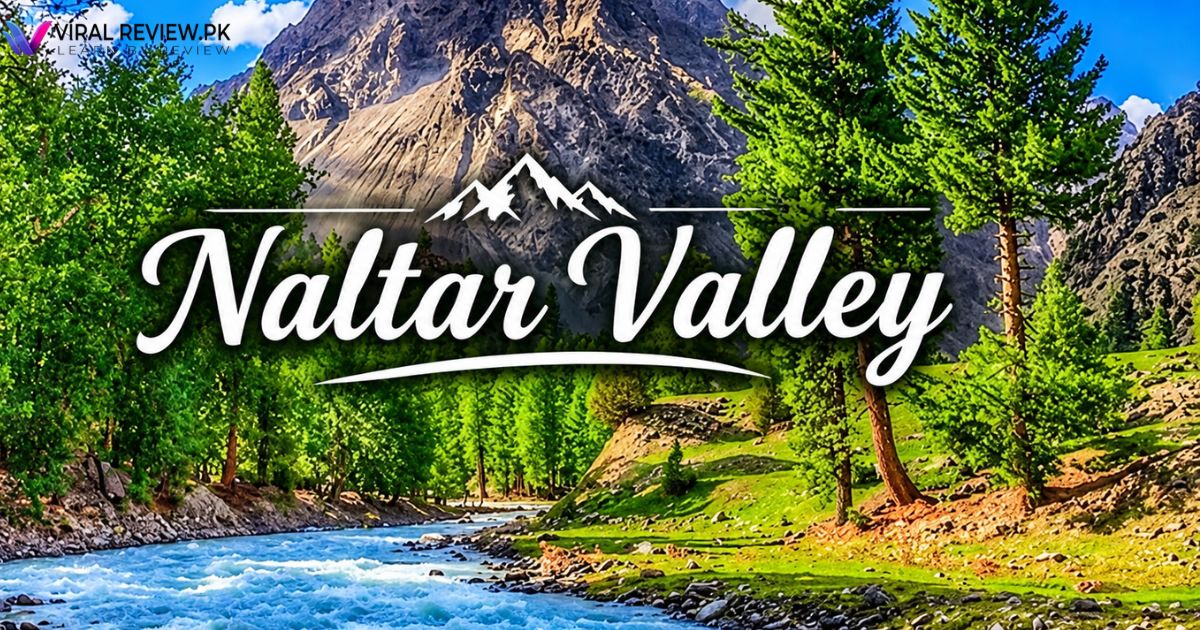
A complete 2026 travel guide to one of Gilgit-Baltistan’s most beautiful valleys.
Imagine a lake so blue that it looks painted, set inside a forest of dark green pines, with snow-covered peaks rising behind it. That is Naltar Valley. It sits in the far north of Pakistan, in the heart of Gilgit-Baltistan.
For years, Naltar Valley was known mainly to trekkers, soldiers and a few lucky photographers. That has changed quickly. Social media, new travel blogs and “best places to visit” lists now place Naltar Valley among the top mountain destinations in the country.
What makes it special is the variety. In a single trip you can see rainbow-coloured lakes, ski on powder snow, walk through quiet meadows and watch the sun set over the Karakoram. Few places in South Asia offer so much in such a small area.
This guide covers everything you need to plan a visit. You will find the route, the main attractions, the best season, where to stay, what to eat and how to stay safe. Whether you travel in summer or winter, it should help you make the most of your time.
Why Visit Naltar Valley? Six Reasons
- Rainbow-coloured lakes. Satrangi, Bashkiri and Blue Lake change shade through the day, so no two photos ever look the same.
- Famous ski slopes. Few places in Naltar valley let you ski beneath Karakoram peaks, and Naltar Valle is among the best-known winter-sports spots in Pakistan.
- Pine forests and fresh air. Walk through tall blue pines and breathe air that feels a world away from the city.
- An adventure base near Gilgit. Treks, jeep safaris, camping and photography trips all start within a short drive.
- Quieter than the big tourist names. Many travellers find Naltar calmer than busier northern stops, especially outside peak summer.
- Warm mountain hospitality. Local families, simple guesthouses and endless cups of hot tea make visitors feel at home.
Where Is Naltar Valley and How Do You Get There?
Naltar Valley lies in the Gilgit district of Gilgit-Baltistan, about 35 to 40 kilometres from Gilgit city. It sits in a side valley of the Nomal area, surrounded by the Karakoram and Hindu Kush ranges. The valley is split into two parts, Lower Naltar Valley and Upper Naltar Valley.
Lower Naltar Valley, also called Naltar Paeen, is the greener and gentler part. It has farmland, apple and apricot trees and small villages. Upper Naltar Valley, known as Naltar Bala, is higher, colder and wilder. It is where the lakes and ski slopes are found.
Most visitors start from Gilgit. You can reach Gilgit by road from Islamabad along the Karakoram Highway, which takes roughly 14 to 18 hours depending on conditions. Another route runs from Islamabad through Kaghan and Babusar Pass in summer, when the pass is open.
Flights between Islamabad and Gilgit are the fastest option, taking around an hour. However, they depend heavily on the weather, and cancellations are common.
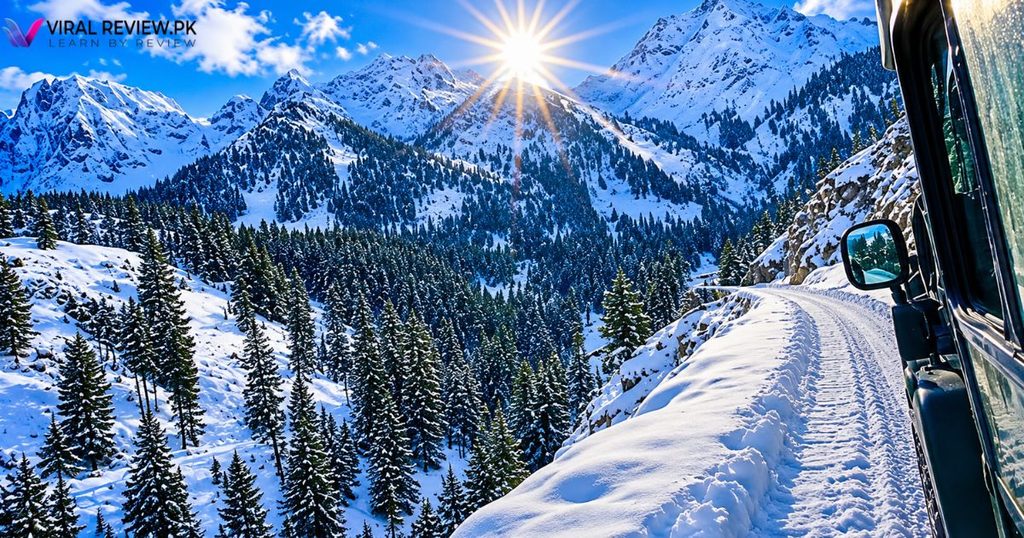
From Gilgit, you drive towards Nomal and then turn up the Naltar Valley road. The last part of the journey is a rough mountain track that is best handled by a local 4×4 jeep. The drive usually takes two to three hours, depending on road and weather conditions.
The road is bumpy and narrow in many places, with steep drops on one side. Do not try it in a small car. Hiring a local jeep with an experienced driver is both safer and often cheaper than expecting to manage alone.
Naltar sits at roughly 2,800 to 3,000 metres above sea level. The air is thin, the nights are cold even in summer, and the light is extremely clear. Plan your arrival so you have time to rest and adjust.
Distance of Naltar Valley from Famous Places
Almost every journey to Naltar Valley passes through Gilgit, so the distances below are approximate road distances to the valley. Real driving times depend on weather, traffic and the condition of the Karakoram Highway.
Many travellers from Punjab know the soft hills and quiet lake of Kallar Kahar, a popular weekend escape near the motorway. Naltar Valley feels like the same love of nature turned up several notches. The hills become Karakoram giants, the small lake becomes a row of glacial lakes in glowing colours, and the short drive becomes a proper mountain adventure. If Kallar Kahar is your idea of a relaxing getaway, Naltar will show you what a full northern journey feels like.
| Distance From | To Naltar Valley (km) | Approx. driving time |
|---|---|---|
| Gilgit | 35 to 40 | 2 to 3 hours (jeep track) |
| Hunza (Karimabad) | 110 | 3 to 4 hours |
| Fairy Meadows (Raikot Bridge) | 140 | 4 to 5 hours |
| Skardu | 270 | 7 to 9 hours |
| Islamabad | 540 | 15 to 18 hours |
| Peshawar | 730 | 17 to 20 hours |
| Lahore | 920 | 20 to 24 hours |
| Karachi | 1,950 | 40 hours or more |
The Top Attractions of Naltar Valley
Satrangi Lake (Rainbow Lake)
Satrangi Lake is the most famous sight in the valley. Its name means “seven colours”, and the water seems to change shade through the day. Depending on the light, it can look green, turquoise, blue or almost emerald.
The colours come from the mix of glacial minerals, the depth of the water and the angle of the sun. Early morning and late afternoon often give the richest tones. Clear, sunny days work best for photography.
The Naltar Valley lake is a short drive or a pleasant walk from the main cluster of guesthouses. Bring a jacket, because the wind off the water can be sharp. Many travellers say this is the single view that makes the whole journey worthwhile.
Bashkiri Lake
Bashkiri Lake is another gem, set a little higher and surrounded by thick pine forest. Its water is often a deep, calm green. The setting feels quieter than Satrangi, with fewer crowds and fewer vehicles.
The road to this lake is rougher, and visitors usually reach it by jeep. In the right season, the reflections of the trees and clouds on the surface are stunning. It is a great place for a picnic and a slow lunch.
Take your time here. The lake rewards patience, and the colours often shift as clouds pass overhead. If you have an hour to spare, sit by the shore and simply watch.
Blue Lake (Neeli Lake)
The Blue Lake, sometimes called Naltar Valley Lake or Neeli Lake, is the largest and most dramatic of the group. It lies in a bowl of mountains, and the water has an intense blue colour that looks almost unreal in photos.
Its size makes it feel more open than the other lakes. In late spring, parts of the surrounding slopes can still hold snow, which adds to the contrast. In autumn, nearby trees turn gold and orange.
Many visitors combine all three lakes in one day by jeep. This is a good plan if you only have a short stay. If you have more time, spend an extra day exploring each on foot.
Pine Forests and Alpine Meadows
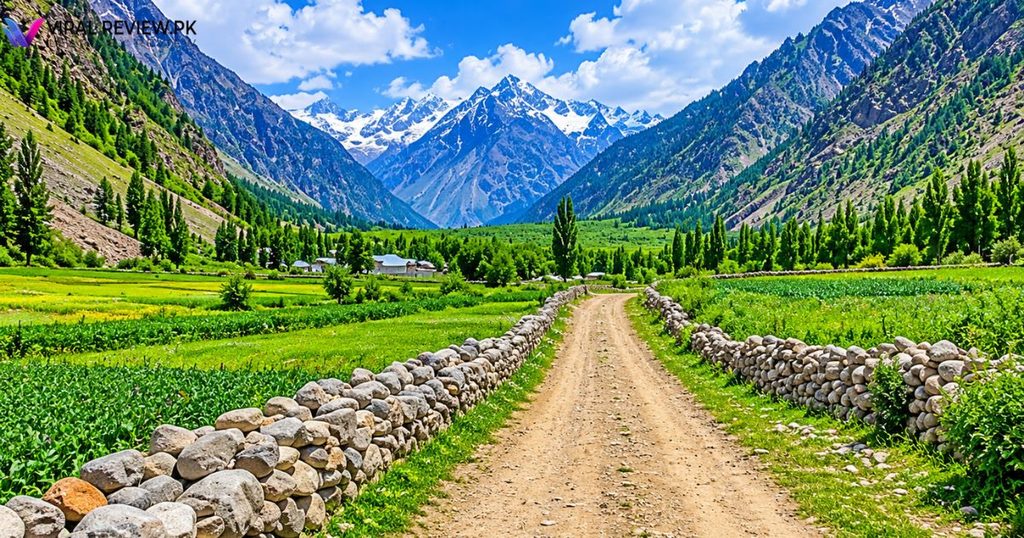
The forests of Naltar are among its quiet treasures. Tall blue pine and fir trees cover the slopes, and the air smells fresh and resinous. Walking here feels very different from the busy roads further south.
In summer, the meadows fill with wildflowers, and shepherds bring their animals up to graze. You may meet local families who stay in simple huts for the season. A friendly greeting usually leads to tea and conversation.
The forest is also home to wildlife, including ibex, marmots and many bird species. Sightings are never guaranteed, but early morning walks give you the best chance. Keep your distance and never feed the animals.
Lower Naltar and the Orchard Terraces
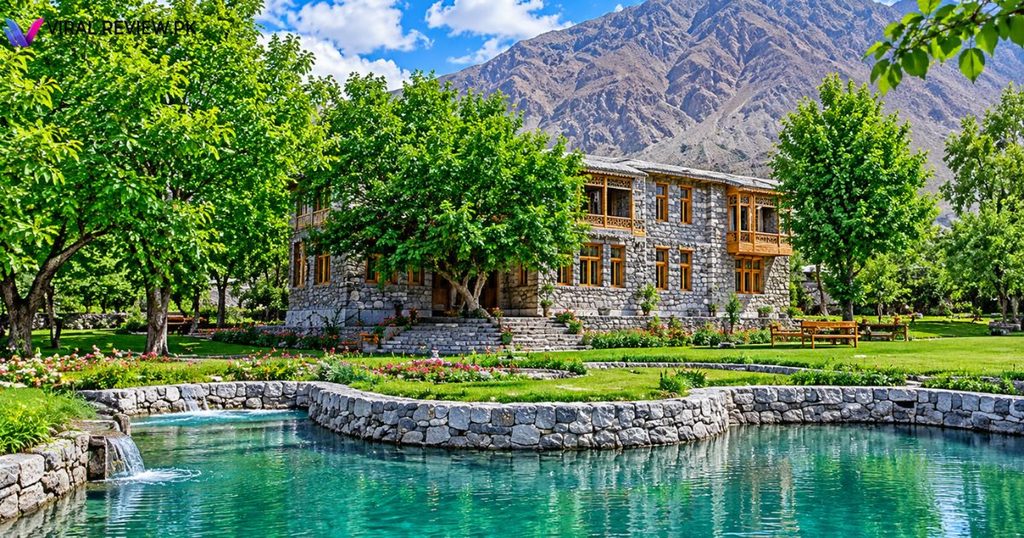
Most visitors rush straight up the valley and miss Lower Naltar Valley entirely. That is a pity. The terraced fields, orchards and small stone houses give a real glimpse of village life in the mountains.
In spring, the fruit trees bloom, and in late summer they carry apples and apricots. It is a peaceful place to walk, take photos and stop for a snack. Locals are generally welcoming to polite visitors.
If you want a gentler pace, base yourself in Lower Naltar Valley for one night. You will pay less, hear fewer engines and wake up to birdsong. Then make a day trip to the upper lakes.
Views of Rakaposhi and the Karakoram
On clear days, the surrounding peaks tower above the Naltar Valley. Rakaposhi, one of the most beautiful mountains in the region, can be seen from the area and from the drive towards Nomal. Its long, white ridges draw the eye.
Sunrise and sunset are the best times to look at the peaks. The snow turns pink, then gold, then deep orange. A flask of tea and a warm blanket make the moment even better.
Photographers should bring a tripod and spare batteries. Cold weather drains batteries quickly. Keep them in an inside pocket until you need them.
Skiing and Winter Sports in Naltar Valley
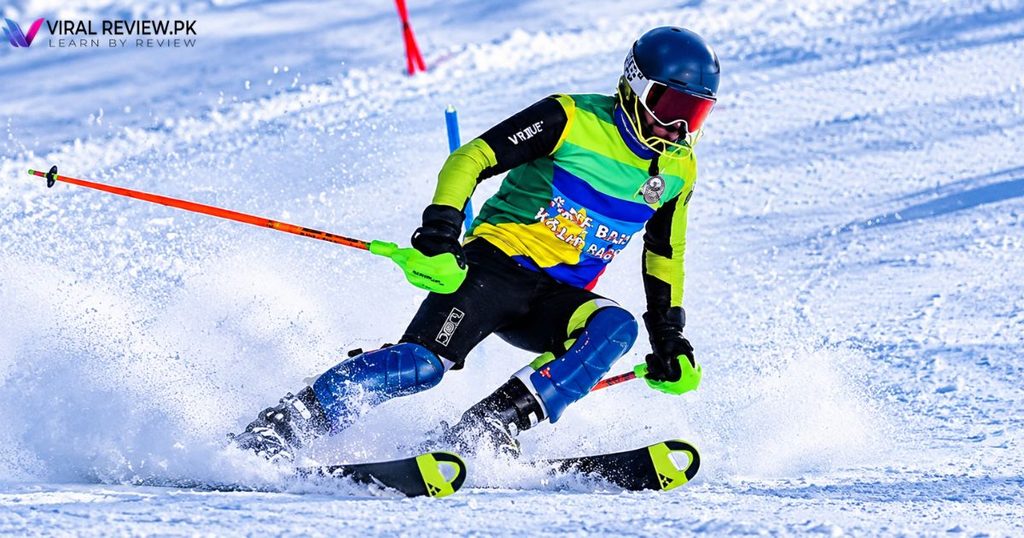
Naltar Valley is one of the best-known ski destinations in Pakistan. The Pakistan Air Force has long been associated with the ski resort and has organised winter sports events and training there. Skiers from across the country, and sometimes from abroad, come to enjoy the slopes.
The slopes are set at a high altitude, so the snow tends to be reliable in the colder months. Heavy snowfall usually arrives between December and February. Resort conditions and snow reports are widely followed online, and winter photos of the valley often go viral.
Beginners can find gentle slopes for learning, while more experienced skiers can try longer and steeper runs. The facilities are simpler than those in the Alps, so expect a rustic, adventurous feel rather than luxury. That is part of the charm.
Equipment is available at times through local arrangements, but supply can be limited. If you are serious about skiing, bring your own boots and check what is on offer before you travel. Ask the hotel or the local organisers for current details.
Snowshoeing, sledding and simple snow walks are other popular winter activities. Children love building snowmen, and families enjoy the quiet white landscape. Winter evenings are cold, but a warm room and hot soup make them memorable.
Keep in mind that winter travel needs extra care. Heavy snow can block the road, and jeeps may need chains. Always confirm road conditions in Gilgit before you start the drive.
Trekking and Adventure Activities
For trekkers, Naltar Valley is both a destination and a gateway. Several routes start here, including high mountain passes that link Naltar to neighbouring valleys. Local tour operators list multi-day treks such as the Daintar Pass trek, which begins with a jeep ride from Gilgit to Naltar.
These treks cross high, remote terrain, and they demand good fitness, proper gear and experienced guides. Weather can change within hours. Never attempt a high pass alone, and always tell someone your route.
Shorter walks are available for casual visitors. You can hike between the lakes, climb nearby ridges for views, or follow forest trails near the guesthouses. Most of these walks need only sturdy shoes and a good water bottle.
Camping is another popular activity, especially in summer. Pitching a tent near the lakes under a sky full of stars is a deeply memorable experience. Check local rules first, and always carry your rubbish back with you.
Jeep safaris, horse riding in selected areas and photography tours also attract visitors. A local guide adds enormous value, as they know the hidden viewpoints, the safe paths and the best times of day. Hiring one also supports the local economy.
The Best Time to Visit Naltar Valley
Naltar Valley offers something different in every season. The best time depends on what you want to see and do.
| Season | Months | What to Expect |
|---|---|---|
| Spring | April to May | Melting snow |
| Summer | June to September | Green meadows, open roads |
| Autumn | October to November | Golden foliage, crisp air |
| Winter | December to March | Heavy snow, skiing, cold nights |
Summer is the easiest season for first-time visitors. Roads are mostly open, daytime temperatures are pleasant and all the lakes are accessible. However, it is also the busiest period, so book accommodation early.
Autumn is a favourite among photographers. The forests change colour, the light turns soft, and the valley feels calm. Nights can already be freezing in the Naltar Valley, so pack warm clothing.
Winter is magical but demanding. If you love snow and skiing, it is the best choice. Just be ready for delays, and travel with a reliable driver and flexible dates.
Whatever the season, check the forecast before you leave Gilgit. Mountain weather is unpredictable, and conditions at 3,000 metres can differ greatly from those in town.
Where to Stay and What to Eat
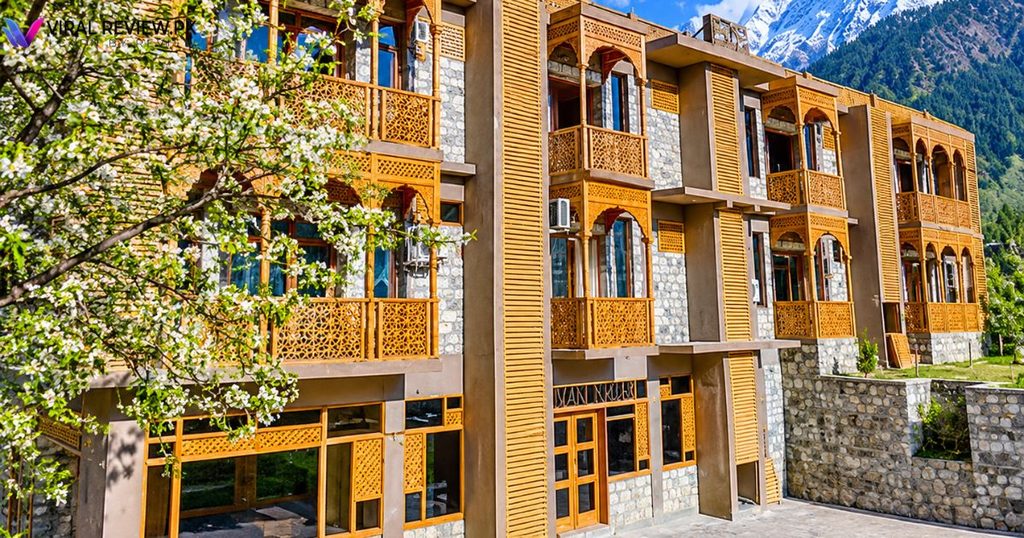
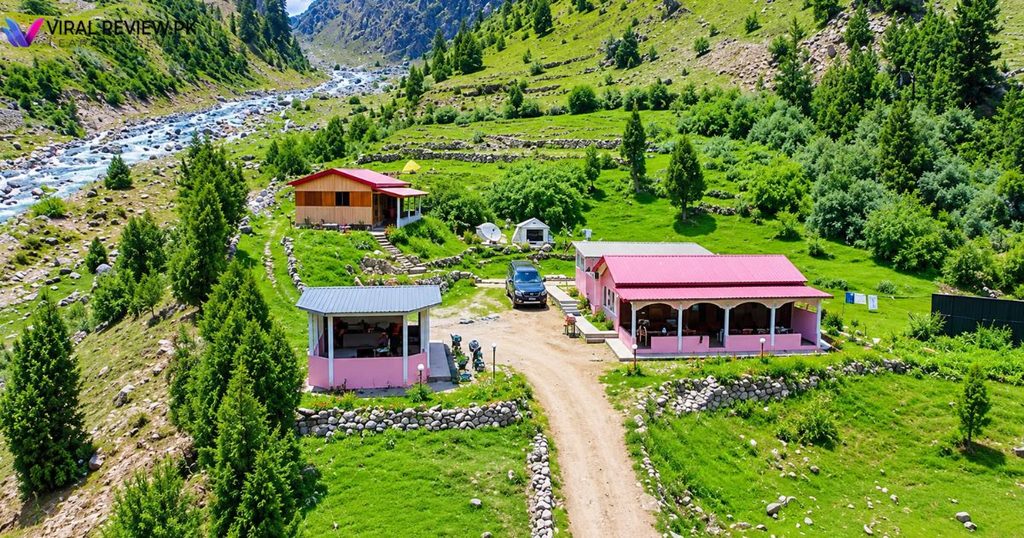
Naltar Valley has a growing number of hotels, guesthouses and lodges. Options range from simple budget rooms to more comfortable mid-range stays. Names that appear often on booking sites include Green Pak Naltar and Naltar Palace Hotel.
Prices vary by season and demand. Some online listings showed rooms at roughly 80 to 95 US dollars per night in spring 2026, though prices change often. Check current rates before you travel, as the figures may have moved.
In peak summer and during winter sports events, rooms fill quickly. Book ahead and confirm by phone if you can. Network coverage in the valley can be weak, so make arrangements before you arrive.
If you prefer a lower budget, Gilgit has many hotels, and you can make Naltar Valley a day trip. However, the early-morning and sunset light in the valley is worth the overnight stay. Many travellers say the evenings are the highlight.
Food in Naltar Valley is simple but satisfying. Expect rice, lentils, chicken, fresh bread, eggs and vegetable dishes. Hot tea with milk or salt tea is served everywhere, and it is a lifesaver on cold evenings.
Some local specialities of Gilgit-Baltistan may be available, such as dishes made with apricot, walnut and local dairy. Ask your host what is fresh that day. Choices are limited, so travellers with strict dietary needs should bring some supplies.
Always drink bottled or properly treated water. Carry snacks like nuts, dried fruit and chocolate for long days. Eat light at first, since altitude can reduce appetite.
Culture, History and Local Life
The people of Naltar Valley and the surrounding Nomal area are warm and hospitable. Most speak Shina, a language common across Gilgit, and many also understand Urdu. English is understood in some tourism businesses but is not widespread.
Historically, the valley was used as a high summer pasture. Families moved livestock upwards when the snow melted and came down again before winter. This seasonal rhythm still shapes life, though tourism now offers new income.
The region has a rich cultural mix. Gilgit-Baltistan is home to many communities, languages and traditions. Visitors should approach local customs with curiosity and respect, and ask permission before photographing people.
Dress modestly, particularly in villages. Light, loose clothing that covers shoulders and knees is appropriate for most travellers. In cold weather this is easy, as you will be wearing layers anyway.
Responsible tourism is important. The lakes and forests are fragile, and rising visitor numbers create pressure. Avoid littering, do not wash in the lakes, and stay on existing paths.
Where possible, choose local guides, drivers and family-run guesthouses. Buying local products like dried fruit and handicrafts keeps money in the community. Small choices like these help protect the valley for the future.
Travel Tips and Safety
Check the latest weather and road reports in Gilgit before heading up. Landslides, snow and heavy rain can close the Naltar road with little warning. Local drivers and hotel staff are usually the best source of current information.
Also check the latest government and embassy travel advisories for Gilgit-Baltistan before you go. Conditions can change, and requirements for foreign visitors may be updated. Carry your passport or national ID at all times.
Pack for cold, even in July. Good items include a warm jacket, thermal layers, gloves, a hat, sturdy shoes and sunglasses. A power bank is useful, since electricity can be unreliable.
Altitude affects some people. Drink plenty of water, rest on arrival and avoid heavy exertion on the first day. If you feel severe headache, dizziness or nausea, descend and seek medical help.
Mobile networks may be patchy or absent in the upper valley. Download offline maps, and carry some cash, as card payments are rare. Tell family or friends your plan before you lose signal.
Finally, travel with a trusted driver and follow his advice on road safety. Do not drive at night on the mountain track. Patience and flexibility are your best travel companions here.
Frequently Asked Questions (FAQs) About Naltar Valley
Where is Naltar Valley?
It is in Gilgit District, Gilgit-Baltistan, about 35 to 40 km from Gilgit city.
How far is Naltar Valley from Islamabad?
Roughly 540 km by road (15 to 18 hours), or fly to Gilgit and drive on.
What is the best time to visit Naltar Valley?
June to September for lakes and easy roads, December to March for snow.
Do I need a 4×4 jeep?
Yes, the final stretch is a rough mountain track best done by a local jeep.
Can I ski in Naltar?
Yes, in winter, though facilities are basic and rental gear can be limited.
How many days are enough in Naltar Valley?
Two days and one night is a good minimum, three if you want to walk.
Is there mobile network in the valley?
It is patchy to absent in the upper Naltar Valley, so download offline maps first.
Is Naltar safe for tourists?
Generally yes, but check advisories and weather and travel with a trusted local driver.
Final Thought
Naltar Valley is not just a pretty stop on a map. It is a place where colour, silence and mountain air come together in a way that stays with you long after the trip ends. Each season shows a different face, and each visit leaves something new to remember.
If you plan carefully, respect the land and its people, and keep your schedule flexible, Naltar will reward you generously. It is one of those rare places that looks even better in person than in photographs.
Naltar Valley is also a rewarding place for stargazing. At roughly 3,000 metres, with little light pollution and thin, dry air, the night sky can look crowded with stars. On a moonless night the Milky Way is often visible to the naked eye, so bring a warm blanket and a camera that handles long exposures.
Quote for Inspiration:
“The mountains are calling and I must go.”
1 thought on “Naltar Valley: Pakistan’s Colour-Changing Lakes and 6 Unforgettable Adventures”