
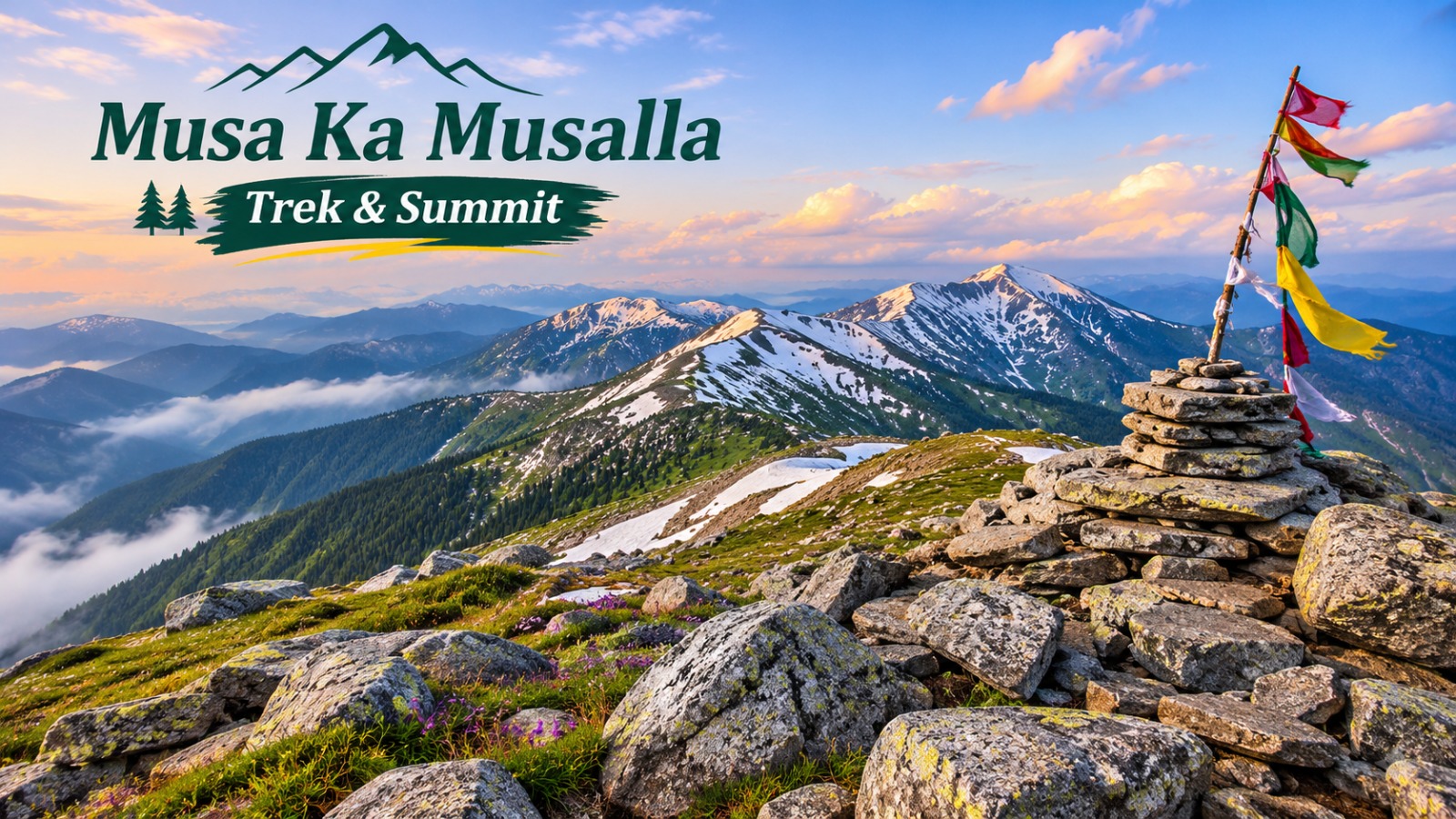
Where a shepherd’s devotion became a mountain legend, and the mighty Himalayas meet the peaceful landscapes of Siran Valley.
Rising above the spectacular landscapes of Mansehra, Musa Ka Musalla is one of the most fascinating mountain destinations in Khyber Pakhtunkhwa, Pakistan. Known for its dramatic Himalayan scenery, challenging trekking routes and rich local folklore, this remarkable peak offers much more than an ordinary mountain adventure.
The name Musa Ka Musalla, meaning Moses’ Prayer Mat, is rooted in a local legend about a shepherd named Musa who reportedly offered his prayers near the mountain summit. Over generations, this story has become an inseparable part of the mountain’s identity.
Located near the beautiful Siran and Kaghan valleys, Musa Ka Musalla rewards adventurous travellers with panoramic mountain views, peaceful alpine meadows and an unforgettable trekking experience.
But what makes this legendary peak truly special? Is it the shepherd’s fascinating story, the challenging journey to its summit, or the breathtaking landscapes surrounding it?
Let’s explore the history, location, trekking routes, best visiting season and natural beauty of Musa Ka Musalla, one of northern Pakistan’s remarkable mountain treasures.
The Story Behind the Name: Why Is It Called Musa Ka Musalla?
Long before Musa Ka Musalla became known as a trekking destination, these mountains were part of the daily lives of local shepherds. Their days were spent grazing livestock across green mountain slopes, exploring remote pastures and finding shelter in the peaceful highlands.
According to local folklore, the mountain’s name is connected to a shepherd named Musa, whose devotion to prayer became a lasting part of the region’s history. He reportedly brought his livestock to these mountain pastures and regularly offered his prayers at a particular spot near the summit.
The legend suggests that Musa arranged a few stones to create a simple place of prayer. Over time, this spot became associated with his name, and people began referring to the mountain as Musa Ka Musalla, which translates to Moses’ Prayer Mat.
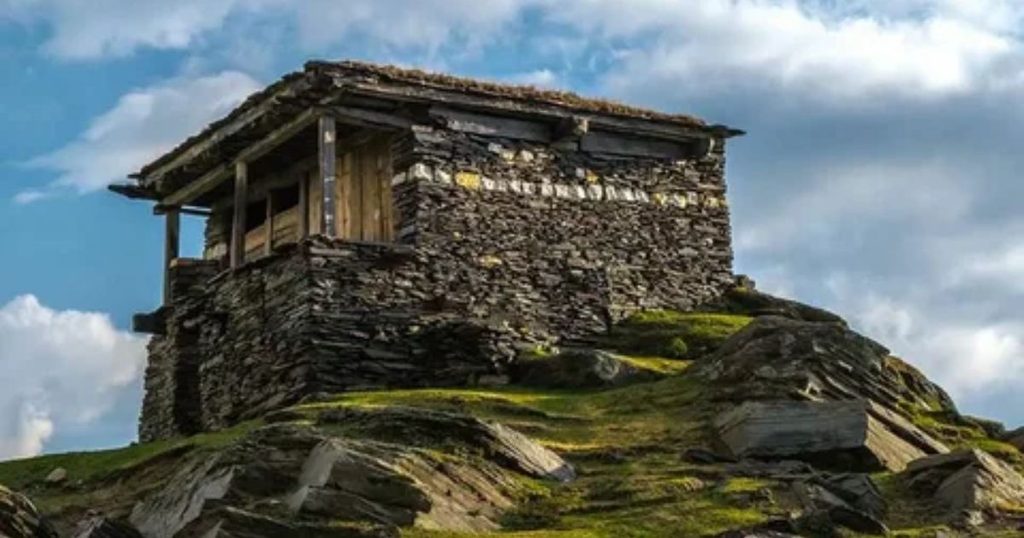
Even today, local traditions associate the summit with a small shrine or ziarat, a grave and colourful flags believed to be connected with the shepherd’s story.
Although the exact historical details of this legend are difficult to verify, it remains an important part of the cultural identity of Musa Ka Musalla and adds a fascinating spiritual dimension to this Himalayan peak.
Imagine the simplicity of that moment: a shepherd standing among towering mountains, a few stones beneath his feet, an open sky above him and the peaceful silence of nature surrounding him.
There were no grand mosques, marble floors or elaborate structures. Just a humble place to pray and a deep sense of devotion.
Perhaps this is what makes the legend of Musa Ka Musalla so meaningful. Beyond its impressive elevation and challenging trekking trails, the mountain carries a story that connects visitors with the faith, traditions and simple way of life of the people who once called these highlands their home.
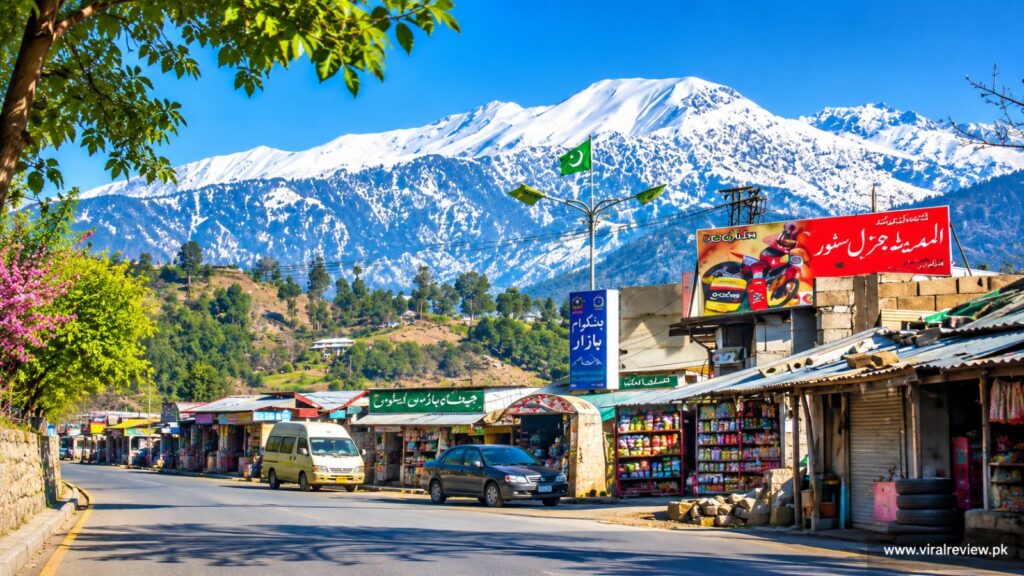
Where Is Musa Ka Musalla Located?
Musa Ka Musalla is a prominent mountain peak in the Himalayan region of northern Pakistan, associated with the meeting area of Siran and Kaghan valleys.
It is located in Mansehra District, Khyber Pakhtunkhwa, and is commonly approached through the Siran Valley side or the Kaghan Valley side.
The summit is generally reported at approximately 4,060 metres (13,320 feet) above sea level, although some tourism references give a figure of approximately 4,076 metres.
This elevation makes it a serious high-altitude trekking destination rather than an ordinary sightseeing point.
The mountain’s elevated position offers remarkable views of surrounding ridges, mountain slopes, green meadows and distant Himalayan landscapes.
For people who enjoy mountain exploration, photography, camping and challenging hiking adventures, Musa Ka Musalla is a destination worth discovering.
Siran Valley: The Beautiful Gateway to Musa Ka Musalla
A journey to Musa Ka Musalla is incomplete without experiencing the natural beauty of Siran Valley. Located in Mansehra District, Khyber Pakhtunkhwa, this beautiful valley offers a peaceful introduction to the spectacular mountain landscapes of northern Pakistan.
Known for its lush green hills, dense forests, flowing streams, traditional villages and the scenic River Siran, the valley is a wonderful destination for nature lovers and adventure seekers. Its relatively peaceful atmosphere makes it an appealing alternative to some of Pakistan’s more crowded tourist destinations.
As you travel through Siran Valley, Mansehra, the landscape gradually reveals its natural charm. Roads wind alongside the river, small villages sit between green mountain slopes, and forest-covered hills create beautiful scenery, particularly during the summer months.
The gentle sound of flowing water, fresh mountain air and distant views of towering peaks make every part of the journey memorable. Even before reaching the trekking trails of Musa Ka Musalla, visitors can enjoy the valley’s peaceful surroundings and traditional rural lifestyle.
Notable Places and Settlements in Siran Valley
The wider Siran Valley region is home to several villages, settlements and natural attractions that reflect the area’s geographical beauty and local culture. Some notable places include:
- Shinkiari: An important settlement and a familiar gateway to the wider Siran Valley region.
- Jabori: A beautiful mountain settlement surrounded by natural landscapes.
- Manda Gucha: An important area associated with trekking approaches towards Musa Ka Musalla.
- Mandagucha: Another locally recognised name in the wider mountain region.
- Gucha: A settlement associated with the surrounding highland landscape.
- Jabbar: A rural locality reflecting the traditional lifestyle of the region.
- Domel: Part of the wider network of settlements in the mountainous area.
- Dadar: A locality associated with the surrounding valley communities.
- Sacha Pul: A recognised local point along the regional travel routes.
- Sharan: A beautiful forest destination known for its pine trees, green meadows and peaceful mountain environment.
These places offer visitors an opportunity to discover the local culture, rural communities and diverse landscapes of the region.
For trekkers planning an expedition to Musa Ka Musalla, understanding the geography of Siran Valley can also help them appreciate the different landscapes and settlements along the journey.
Siran Valley is much more than a gateway to Musa Ka Musalla. With its scenic river, green mountains, traditional villages and peaceful atmosphere, it deserves recognition as a beautiful travel destination in its own right.
The Journey Towards the Mountain: Three Main Trekking Approaches
Reaching Musa Ka Musalla is not as simple as driving to a roadside viewpoint. It requires planning, physical endurance and proper knowledge of the mountain terrain.
Several approaches are used by trekkers, with three commonly discussed routes.
1. Shinkiari – Manda Gucha Route
This is one of the best-known approaches to Musa Ka Musalla and is particularly associated with the Siran Valley side.
The journey begins from the Shinkiari area and continues towards the mountain villages and settlements around Manda Gucha.
Depending on the selected trail and local conditions, trekkers proceed through villages, mountain paths, open grazing grounds and elevated meadows.
As the climb continues, the landscape gradually changes. The familiar greenery of the lower valley gives way to more exposed mountain slopes and high-altitude terrain.
This route is particularly interesting for people who want to experience the rural atmosphere of Siran Valley alongside their trekking adventure.
2. Balakot – Nadi Bangla – Kund Bangla Route
Another approach starts from the Balakot side.
From Balakot, travellers proceed towards Nadi Bangla and the surrounding mountain areas, depending on the selected approach. This side offers a different landscape experience, with forest tracks, mountain meadows and remote highland scenery.
The journey may involve jeep travel followed by extended walking and climbing. Some trekkers choose camping locations along the way to divide the journey into manageable stages.
3. Paras – Sharan Forest Route
The third commonly mentioned approach starts from Paras in the Kaghan Valley region. From Paras, travellers can proceed towards Sharan Forest, a beautiful area known for its pine forests, green meadows and peaceful mountain environment. Sharan is itself an attractive destination for nature lovers.
The route from this side involves mountain trekking and can be steep in sections. Depending on weather, trail conditions and the trekking plan, it may require an overnight camping arrangement.
For those interested in combining forest exploration with a challenging mountain expedition, this approach offers a memorable experience.Important: These are different approaches, not interchangeable road directions. The final trekking route, access conditions and camping arrangements should always be confirmed with experienced local guides before departure.
What Does the Musa Ka Musalla Trekking Journey Look Like?
The journey to Musa Ka Musalla is an adventure that begins long before reaching the summit. From peaceful valley roads to challenging mountain trails, every stage offers a different experience of northern Pakistan’s natural beauty.
Imagine setting out early in the morning, when the valley is still quiet and the first rays of sunlight begin to illuminate the surrounding mountain slopes. A cool breeze moves through the trees, while the sound of flowing water creates a peaceful atmosphere.
As you travel deeper into Siran Valley, small villages, green fields and forest-covered hills gradually become part of the scenery. You may see local farmers starting their daily work and shepherds guiding their livestock towards the mountain pastures. Along certain stretches, the River Siran adds to the beauty of the journey.
Once you reach your selected trekking starting point, the real Musa Ka Musalla trek begins. The mountain trails gradually take you away from the villages and towards higher, more challenging terrain.
Initially, the walking may feel relatively comfortable, but the increasing elevation and steep sections soon begin testing your physical endurance. Regular breaks become important as you drink water, catch your breath and admire the beautiful valley stretching below.
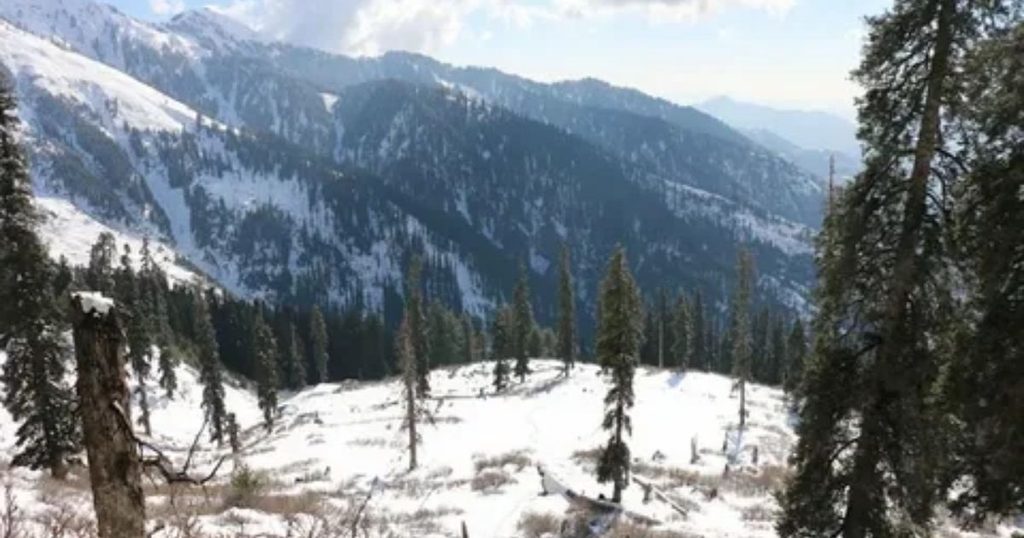
With every climb, the landscape changes. The lower forested slopes gradually give way to open grazing grounds, alpine meadows and exposed mountain ridges. The villages become smaller in the distance, while the surrounding peaks appear increasingly impressive.
One of the most rewarding parts of this high-altitude trekking experience is noticing the little details along the way: wildflowers growing between rocks, small streams crossing green meadows, clouds drifting across mountain ridges and livestock grazing peacefully on distant slopes.
These simple moments make the journey as memorable as the destination itself.
The climb can be physically demanding, but each stage brings a new perspective and a stronger sense of achievement. And as the trail continues towards higher ground, one destination remains ahead: the legendary summit of Musa Ka Musalla, where breathtaking Himalayan views and a fascinating local story come together.
The Summit of Musa Ka Musalla: Where Nature Meets a Legend
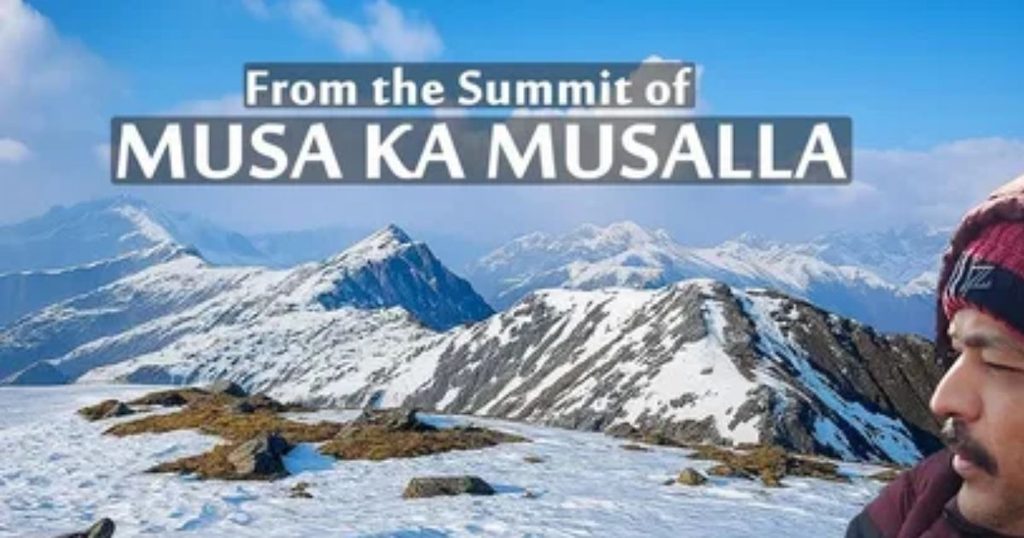
After a challenging climb through mountain trails, green meadows and rugged highland terrain, reaching the summit of Musa Ka Musalla becomes the most rewarding moment of the entire journey.
Standing at an elevation of approximately 4,060 metres above sea level, this remarkable Himalayan peak offers a breathtaking perspective of the surrounding mountain landscape. On a clear day, visitors can enjoy panoramic views of distant ridges, towering peaks and the vast natural beauty stretching across the region.
The summit is not only known for its spectacular scenery but also for the small stone-built shrine or ziarat and colourful flags associated with local traditions. These features give the mountain a distinctive cultural and spiritual identity.
For travellers familiar with the legend of shepherd Musa, reaching this place can be a particularly meaningful experience. The story adds a human connection to an otherwise challenging mountain expedition, making the summit more than just a destination for photography or adventure.
Standing among these mountains, it is natural to wonder about the people who travelled through this remote landscape generations ago.
How did shepherds spend their days in these highlands? How did they protect their livestock during harsh winters? What did these mountain slopes look like when Musa reportedly brought his animals here? And what inspired him to choose this particular place for prayer?
Such questions bring the mountain’s past closer to the present and add another dimension to the trekking experience.
Ultimately, Musa Ka Musalla is more than a 4,000-metre Himalayan summit. It represents a remarkable combination of natural beauty, mountain adventure, local folklore and cultural heritage.
Visitors should treat the summit shrine as a respected local religious and cultural landmark. Avoid disturbing its stones, flags or surroundings, and help preserve the natural beauty and traditional significance of this special mountain for future generations.
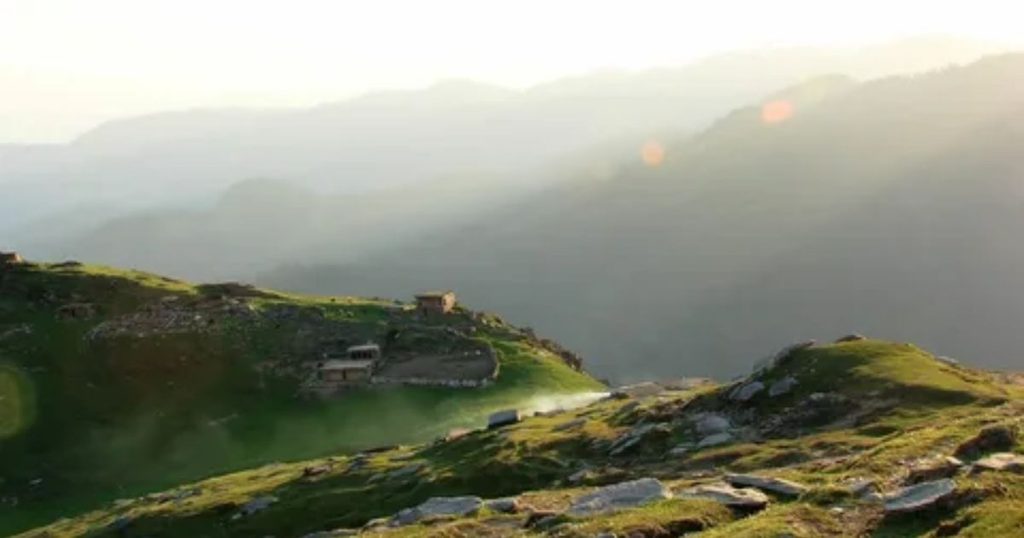
Best Time to Visit Musa Ka Musalla
The most suitable trekking season is generally considered to be June to September, when access to the higher mountain trails is more favourable.
However, weather conditions can change quickly at high altitude.
Summer (June–August)
Summer is generally the preferred period for trekking. Mountain meadows become greener, access is often easier, and longer daylight hours help with expedition planning.
Late Summer and Early Autumn (September)
September can offer beautiful mountain scenery, relatively pleasant daytime conditions and a different atmosphere as the season begins to change.
Winter (October–May)
Winter and early spring can bring heavy snowfall, icy trails and severe weather at higher elevations. This is not a suitable period for ordinary visitors without specialised experience, equipment and an experienced mountain team.
Always check current conditions before travelling.
How Many Days Are Required for the Musa Ka Musalla Trek?
Planning a trip to Musa Ka Musalla requires more than arranging transport and packing a backpack. This is a challenging high-altitude mountain expedition, so visitors should allow sufficient time for trekking, rest, summit attempts and a safe return.
For many travellers, a two-to-three-day trekking plan is a sensible starting point. However, the actual duration depends on the selected route, starting point, walking pace, physical fitness, weather conditions and availability of local guides.
Experienced trekkers may complete certain approaches in less time, but beginners and visitors unfamiliar with the mountain terrain should avoid planning their journey around the fastest reported timings.
Suggested Musa Ka Musalla Trekking Itinerary
A well-planned expedition should account for the following stages:
- Travel to the Starting Point: Reach your selected village or trekking access point through the appropriate road route.
- Arrange Local Support: Coordinate with an experienced local guide and arrange porters if required.
- Begin the Mountain Trek: Follow the selected trail towards a suitable resting or camping location.
- Prepare for the Summit: Allow sufficient time for rest, hydration and an early morning summit attempt.
- Reach the Summit and Descend: Enjoy the mountain views while keeping enough time and energy for a safe descent.
- Keep a Weather Buffer: Include additional time for unexpected weather changes, trail difficulties or other emergencies.
Why Is Extra Time Important?
Mountain weather can change rapidly, particularly at higher elevations. Steep trails, fatigue, limited mobile coverage and unexpected delays can also affect the trekking schedule.
Allowing an extra day where possible provides greater flexibility and reduces the pressure to continue climbing when conditions are unfavourable.
Remember, the goal of a Musa Ka Musalla expedition is not simply to reach the summit. It is to enjoy the journey, experience the natural beauty of the Himalayas and return safely.
What Should You Carry for the Musa Ka Musalla Trek?
Preparing the right equipment is essential for a safe and comfortable Musa Ka Musalla trekking experience. Unlike an ordinary visit to a tourist valley, climbing a mountain above 4,000 metres requires proper clothing, reliable equipment and careful preparation.
The weather can change quickly at higher elevations, while steep trails and remote camping locations make it important to carry everything you may need during the expedition.
Essential Trekking Gear and Packing Checklist
Before setting out for Musa Ka Musalla, make sure your backpack includes the following essentials:
- Trekking Boots: Wear comfortable, durable hiking boots with good ankle support and reliable grip for rocky and uneven trails.
- Warm Clothing: Carry thermal layers, fleece jackets and a waterproof or windproof outer layer to protect yourself from cold mountain weather.
- Comfortable Backpack: Choose a suitable backpack with enough space for clothing, food, water and essential equipment.
- Drinking Water: Carry sufficient water and a reliable water purification method for refilling along the route.
- Energy-Rich Food: Pack nuts, dry fruits, energy bars and other lightweight snacks to maintain your energy during long climbs.
- Headlamp and Spare Batteries: Essential for early morning summit attempts, nighttime movement and unexpected delays.
- First-Aid Kit: Include basic medical supplies, personal medication and blister-care essentials.
- Sun Protection: Carry sunglasses, sunscreen and a hat to protect yourself from strong sunlight at higher elevations.
- Camping Equipment: Bring a suitable sleeping bag, sleeping mat and tent if overnight camping is part of your trekking plan.
- Navigation Equipment: Download offline maps and keep your mobile phone fully charged before entering remote mountain areas.
- Emergency Communication: Arrange a reliable communication plan with your trekking team and consider a suitable emergency communication device where necessary.
- Trekking Poles: These can provide additional stability and reduce strain on your knees during steep climbs and descents.
Important Safety Advice for High-Altitude Trekking
One of the most important challenges of climbing Musa Ka Musalla is dealing with the effects of high altitude. As elevation increases, the body receives less oxygen with each breath, increasing the risk of altitude-related illness.
Symptoms of acute mountain sickness (AMS) may include headache, nausea, dizziness, fatigue and loss of appetite. Allow adequate time for acclimatisation, avoid rushing the ascent and monitor your physical condition throughout the journey.
If altitude sickness symptoms develop, stop ascending. If symptoms persist or worsen, descend to a lower elevation. Severe breathlessness at rest, confusion or difficulty walking may indicate a medical emergency and require immediate descent and urgent medical assistance.
Remember that proper preparation is just as important as physical fitness. The right trekking gear, sufficient supplies and an experienced local guide can make your Musa Ka Musalla mountain expedition safer and more enjoyable.
Local Culture, Traditional Food and Hospitality in Siran Valley
Beyond its beautiful mountains, green forests and trekking trails, Siran Valley offers visitors an opportunity to experience the traditional culture and warm hospitality of northern Pakistan. Exploring its villages can be just as memorable as travelling towards the summit of Musa Ka Musalla.
Life in the valley remains closely connected with agriculture, livestock farming and the surrounding natural environment. As you pass through rural settlements, you may see farmers working in their fields, families tending to livestock and local communities going about their everyday activities.
Traditional Food and Local Flavours
Food is another enjoyable part of exploring Siran Valley. Visitors may come across freshly prepared homemade meals, locally grown vegetables, traditional dishes and maize-based food that reflect the region’s rural lifestyle.
The wider Mansehra region is also known for its agricultural activities, particularly the rice-growing areas around Shinkiari. These agricultural traditions contribute to the local economy and give visitors a glimpse into the everyday life of the valley’s communities.
Experience the Warm Hospitality of Local People
Sometimes, the most memorable travel experiences are the simplest ones. Enjoying a cup of traditional tea in a small village, sharing a conversation with a local guide or taking a short break beside the River Siran can become special memories of your journey.
Local people can also offer valuable insights into the mountain trails, regional traditions and stories associated with Musa Ka Musalla.
Visitors should respect local customs, dress appropriately, seek permission before photographing residents or private property, and support local guides, transport operators and small businesses whenever possible.
Ultimately, discovering Siran Valley is not just about exploring its natural beauty; it is also about experiencing its people, traditional lifestyle, local food and welcoming culture. These human connections add a special dimension to any journey through this beautiful part of Mansehra.
Responsible Tourism: How to Protect the Natural Beauty of Siran Valley
The breathtaking landscapes of Siran Valley and Musa Ka Musalla are among the region’s most valuable natural and cultural treasures. As more travellers discover these beautiful mountain destinations, responsible tourism becomes increasingly important for protecting their environment and supporting local communities.
The growth of mountain tourism can create valuable employment opportunities for local guides, porters, transport operators, accommodation providers and small businesses. It can also encourage the development of better tourism facilities and introduce more visitors to the natural beauty of Mansehra.
However, tourism development should always go hand in hand with environmental protection. The forests, mountain meadows, streams and traditional settlements that make Siran Valley special must be preserved for future generations.
Simple Ways to Practise Responsible Tourism
Every visitor can contribute to protecting the region by following a few simple principles:
- Avoid Littering: Never leave plastic bottles, food wrappers or other waste along trekking trails, camping areas or riverbanks.
- Protect Natural Vegetation: Avoid picking wildflowers, damaging plants or disturbing the natural mountain environment.
- Respect Wildlife: Observe animals from a safe distance and never disturb their natural habitats.
- Keep the Landscape Clean: Do not write names, draw marks or leave graffiti on rocks, trees or other natural surfaces.
- Respect Cultural and Religious Sites: Treat local shrines, graves and traditional landmarks with care and respect.
- Avoid Noise Pollution: Keep music and unnecessary noise to a minimum, particularly in peaceful mountain areas and camping locations.
- Support Local Communities: Hire experienced local guides, use local transport services and purchase goods from village businesses whenever possible.
- Follow Mountain Safety Advice: Listen to local guides, respect weather warnings and avoid taking unnecessary risks during the trek.
- Carry Your Waste Back: Keep a small rubbish bag in your backpack and dispose of all waste at an appropriate collection point.
Preserve Siran Valley for Future Generations
The future of tourism in Siran Valley depends on maintaining a balance between economic opportunities and environmental conservation. Visitors, local communities and tourism operators all have a role to play in protecting this remarkable mountain region.
The true value of a destination is not measured by how many tourists visit it, but by how well its natural beauty, cultural traditions and local heritage are preserved.
By travelling responsibly, we can help ensure that Musa Ka Musalla and the beautiful landscapes of Siran Valley remain clean, peaceful and welcoming for generations to come.
Why Musa Ka Musalla Deserves More Attention
Pakistan is home to some of the world’s most spectacular mountain landscapes. While destinations such as Hunza, Skardu and Naran attract thousands of travellers, many equally fascinating mountain locations remain relatively unexplored by mainstream tourism.
Musa Ka Musalla is one of those hidden mountain treasures in northern Pakistan. Located in Mansehra District, this remarkable Himalayan peak combines natural beauty, challenging trekking opportunities, local folklore and cultural heritage in a way that makes it truly distinctive.
What Makes Musa Ka Musalla Special?
There are several reasons why this mountain deserves greater recognition among adventure travellers and nature enthusiasts.
1. A Fascinating Local Legend: The traditional story of shepherd Musa gives the mountain a unique identity. Its association with faith, devotion and a simple place of prayer adds a cultural dimension rarely found in ordinary trekking destinations.
2. An Impressive Himalayan Setting: Rising to approximately 4,060 metres above sea level, Musa Ka Musalla offers an exciting high-altitude trekking experience for people who enjoy exploring challenging mountain terrain.
3. Multiple Trekking Approaches: The mountain is associated with several approaches from the Siran Valley and Kaghan Valley sides, offering different landscapes and trekking experiences depending on the selected route.
4. Breathtaking Natural Landscapes: Forest-covered slopes, green alpine meadows, mountain streams, remote villages and panoramic summit views make the entire journey memorable, not just the final climb.
5. Opportunities for Local Tourism: Growing interest in Musa Ka Musalla could create new income opportunities for local guides, porters, transport operators, accommodation providers and small businesses across the Mansehra region.
The Future of Musa Ka Musalla Tourism
With better access information, trained local guides, reliable safety arrangements and environmentally responsible tourism facilities, Musa Ka Musalla has considerable potential to become a more recognised adventure destination in northern Pakistan.
Promoting this mountain should not simply mean attracting more visitors. It should also mean preserving its natural environment, respecting local traditions and ensuring that nearby communities benefit from tourism development.
Musa Ka Musalla deserves attention not because it is already a crowded tourist destination, but because it offers something genuinely special: a combination of Himalayan adventure, peaceful landscapes and a mountain legend that has survived through generations.
Frequently Asked Questions – Musa Ka Musalla
Where is Musa Ka Musalla located?
Musa Ka Musalla is a Himalayan mountain peak in Mansehra District, Khyber Pakhtunkhwa, Pakistan, near the Siran and Kaghan valleys.
What is the height of Musa Ka Musalla?
Its elevation is commonly reported at approximately 4,060 metres (13,320 feet) above sea level. Some references give slightly different figures.
Why is it called Musa Ka Musalla?
The name means “Moses’ Prayer Mat.” According to local tradition, a shepherd named Musa used to offer prayers near the summit.
Is there a shrine at the summit?
Yes. A small stone-built shrine or ziarat decorated with colourful flags is associated with the summit and the local shepherd legend.
How can I reach Musa Ka Musalla?
Common trekking approaches include Shinkiari–Manda Gucha, Balakot–Nadi Bangla–Kund Bangla and Paras–Sharan Forest. All require trekking.
What is the best month to visit?
June to September is generally considered the preferred trekking season, subject to weather and trail conditions.
Is Musa Ka Musalla suitable for beginners?
It is a challenging high-altitude trek and is not recommended as a first mountain expedition without proper preparation. Beginners should build their fitness and travel with experienced guides.
Can I visit Musa Ka Musalla in one day?
Some experienced trekkers may attempt a summit and return within a long day from certain starting points. However, a two-to-three-day expedition is a more sensible planning allowance for many visitors.
Do I need a local guide?
Yes, hiring an experienced local guide is strongly recommended because of the difficult terrain, changing weather, limited mobile coverage and route-finding challenges.
Final Thoughts
Some Mountains Are Remembered for Their Stories
Some destinations attract us with breathtaking views, others challenge us with unforgettable adventures, and a few leave a lasting impression because of the stories hidden within their landscapes. Musa Ka Musalla brings all three experiences together.
Rising above the beautiful landscapes of Mansehra, this remarkable Himalayan peak offers an unforgettable combination of high-altitude trekking, spectacular mountain scenery and fascinating local folklore.
Its impressive elevation attracts adventure seekers, its surrounding meadows and mountain valleys inspire nature lovers, and the traditional legend of shepherd Musa gives the mountain a cultural identity that makes it different from ordinary trekking destinations.
Perhaps the most remarkable thing about Musa Ka Musalla is the contrast between its challenging mountain terrain and the simplicity of the story associated with its name.
According to local tradition, a shepherd once found a quiet place among these mountains to offer his prayers. Over generations, that simple act of devotion became part of the identity of a mountain that continues to attract the curiosity of travellers and trekkers.
It is a beautiful reminder that a place does not need grand buildings, expensive attractions or modern facilities to become memorable. Sometimes, a few stones, an open sky and a sincere act of devotion are enough to create a story that survives for generations.
Musa Ka Musalla is more than a mountain in northern Pakistan. It is a challenging trekking destination, a natural treasure and an important part of the cultural storytelling associated with Siran Valley.
For anyone looking to discover a different side of Pakistan’s Himalayan landscapes, this legendary peak offers a journey worth remembering.
Some journeys take us to new places. Others bring us closer to the stories of those who came before us. Musa Ka Musalla offers both.
Musa Ka Musalla: Destination at a Glance
Planning a visit to Musa Ka Musalla? Here are the essential travel details to help you understand the mountain’s location, elevation, trekking routes and recommended visiting season.
- Destination Name: Musa Ka Musalla
- Location: Mansehra District, Khyber Pakhtunkhwa, Pakistan
- Mountain Range: Himalayas
- Approximate Elevation: 4,060 metres (13,320 feet) above sea level
- Nearby Valleys: Siran Valley and Kaghan Valley
- Main Trekking Approaches: Shinkiari–Manda Gucha, Balakot–Nadi Bangla/Kund Bangla and Paras–Sharan
- Best Time to Visit: June to September, subject to weather and trail conditions
- Trek Difficulty: Challenging to expert, depending on the route and conditions
- Recommended Trip Duration: 2–3 days, allowing additional time for weather delays
- Popular Activities: High-altitude trekking, camping, mountain photography and cultural exploration
Travel information is provided as a general guide and may vary depending on seasonal conditions and route accessibility. Before departure, confirm current trail conditions, road access, weather forecasts, transport arrangements and local guide availability. Proper preparation and experienced local guidance are strongly recommended for this high-altitude mountain expedition.
1 thought on “Musa Ka Musalla: The Legendary Prayer Peak of Mansehra – Journey into the Heart of Siran Valley”