
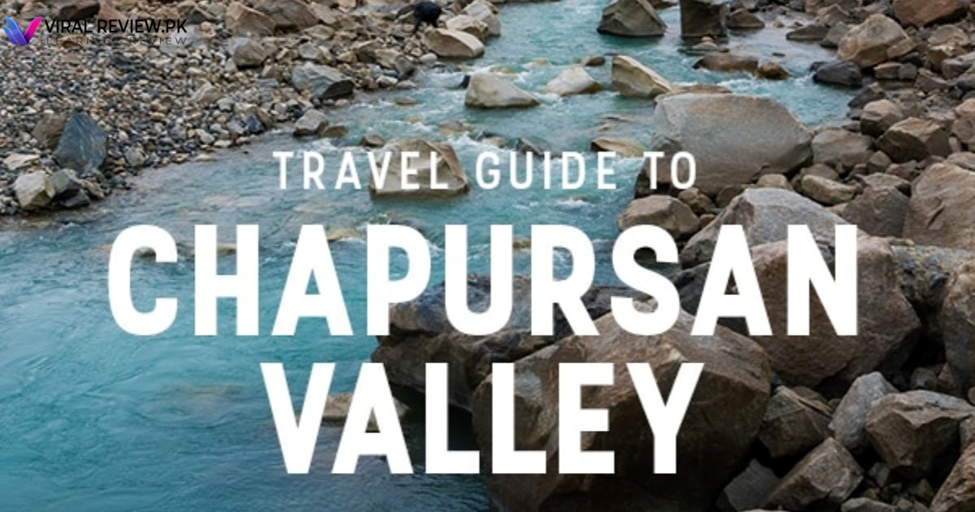
Some places welcome you before you’ve even unpacked. Chapursan is one of them. Past the last bend of the Karakoram Highway at Sost, the road narrows, the noise falls away, and a chain of Wakhi villages appears below the peaks.
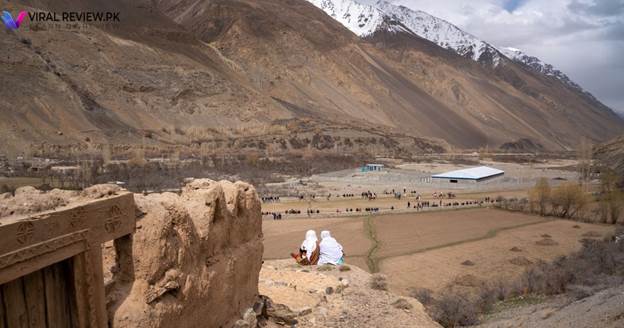
Stone houses sit beside small green fields, yaks graze on the slopes, and someone is usually already putting the kettle on for you. You don’t come here for ticked-off sights or luxury.
You come for slow mornings, salted tea in a family home, and a sense of being far from everything. People who make the journey tend to leave feeling rested, a little humbled, and already planning a return trip. Pakistani travel vloggers love hunting down the north’s quietest corners, and Chapursan is the kind of place that makes any camera look good.
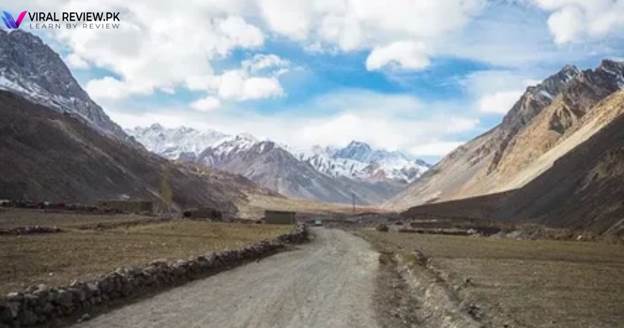
If a road ever deserved the label “edge of the map”, it’s the one that climbs into Chapursan. Past Sost the pavement quits, the jeep starts to rattle, and the valley opens up towards Afghanistan’s Wakhan Corridor, with snow-capped peaks standing watch over stone houses and terraced fields.
Wakhi families live here among their livestock, and yaks wander the high pastures like they own the place (they probably do). Getting here takes effort, a bumpy track and a fair bit of patience. But if you’re reading this guide, you already suspect that’s the whole point. So here’s everything you need to plan the trip, starting with Chapursan Valley how to reach, then the homestay and the tea.
Why Go?
Still wondering if the long road is worth it? Here is what travellers come for:
- Genuine Wakhi hospitality, with home-cooked meals and tea shared in village homes
- The Baba Ghundi shrine, a pilgrimage site high in the valley near the Afghan border
- Yak pastures, quiet lakes and open mountain scenery with very few other visitors
- A different side of Upper Hunza, away from the busier tourist centres
This guide covers Chapursan Valley how to reach, what it costs, where to stay and what to check before you go.
In This Guide
- When to go
- What to bring
- Permits for foreign visitors
- Getting there
- Where to sleep
- What to see and do
- Phone signal and staying connected
- Heading back out
Best Time to Visit Chapursan Valley:
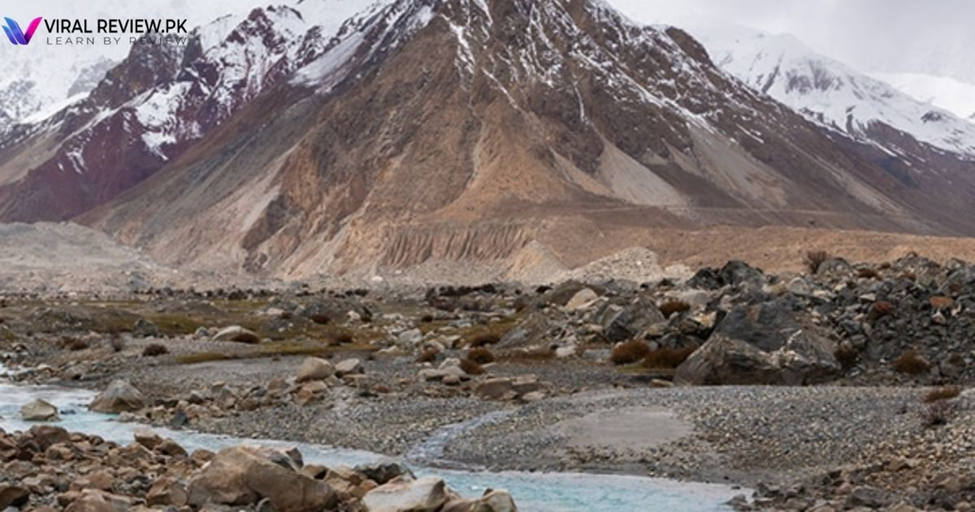
Chapursan sits at around 3,100 metres in the upper valley, so the sun can feel strong by day and the nights cold even in summer. The best time to visit Chapursan Valley is usually June to August, and picking your month is a big part of Chapursan Valley how to reach planning, because the road is easiest then. Summer for Comfort, Shoulder Months for Quiet, Winter for Nobody .Here is how the year breaks down:
| Season | What to expect | Good to go |
| June | Warm, green | Yes |
| July–August | Warmest, easiest road | Best time |
| May, September | Cold nights | Maybe |
| October–April | Snow, frozen water | Yes for snow lovers |
Your 3-Day Chapursan Valley Plan
Day 1: Arrive and Explore the Villages
Travel from Sost into Chapursan Valley by 4×4 jeep. Enjoy the changing mountain scenery along the way, settle into your guesthouse or homestay, and spend the afternoon exploring nearby villages such as Reshit or Zood Khun.
Day 2: Visit Baba Ghundi Shrine and Enjoy Mountain Views
Dedicate this day to exploring the upper valley. Visit Baba Ghundi Shrine if current local and security rules allow access. Take in the peaceful mountain landscapes, learn about local traditions and enjoy a traditional meal with your hosts.
Day 3: Relax, Take Photos and Return
Make the most of your final morning with a gentle village walk, photography or a little more time enjoying the surrounding scenery. After breakfast, begin your return journey towards Sost.
Travel tip: Two days are enough for a short visit, but three days offer a more relaxed experience. Keep your plans flexible because road conditions, weather and access to the shrine can change.
What to Bring: The Valley Doesn’t Sell Much, So Pack Like You Mean It
Once Chapursan Valley how to reach is sorted, think of your bag as your shop, because the valley has very little. Checklist to save before you go:
- Warm clothes. Nights get properly chilly, so pack layers you can pile on.
- Sturdy boots. The tracks are rocky and the bridges are narrow, so leave the fashion shoes at home.
- A water purifier. Don’t count on buying bottled water in the villages. Bring a refillable bottle and a way to make your water safe.
- Snacks from Sost. Shops in the valley are few, so stock up before you head up, especially if you plan to trek.
- Sunscreen. The mountain sun is stronger than it feels, so add sunglasses and a hat.

Permits for Foreign Visitors: Do You Need an NOC?
Planning Chapursan Valley how to reach as a foreign visitor? Good news first: foreign visitors have reported that the valley itself doesn’t need a special permit. You just register at a checkpoint on the way in. The Baba Ghundi shrine and any treks beyond it are different, because they sit close to the border and may need an NOC from the Deputy Commissioner’s office in Gilgit, arranged before you head up.
A few easy things to sort before you go:
- Carry your passport and visa.
- Ask in Gilgit or Sost about the shrine and any treks.
- Check your government’s travel advice. The UK FCDO currently advises against travel near the Afghan border, so it’s worth a read.
- Make sure your insurance covers the trip.
- If you’re booking a tour, ask which permissions the operator arranges.
Chapursan Valley How to Reach: Two Stages, Three Ways to Ride the Last One
Take the Karakoram Highway to Sost, then a 4×4 jeep. Go by road from Islamabad via Chilas, or fly to Gilgit when flights run and continue by road. The Hunza to Chapursan Valley distance depends on where you start, so ask your driver for the timing from your hotel. Plenty of travellers break the trip with a night in Gulmit, Passu or Karimabad. Chapursan Valley road conditions can change with weather and season, so check in Sost on the day you travel. At Sost, register at the police post, then pick your ride up the valley:
- Shared jeep: the budget option, with a limited schedule. Ask your host the evening before and confirm your return.
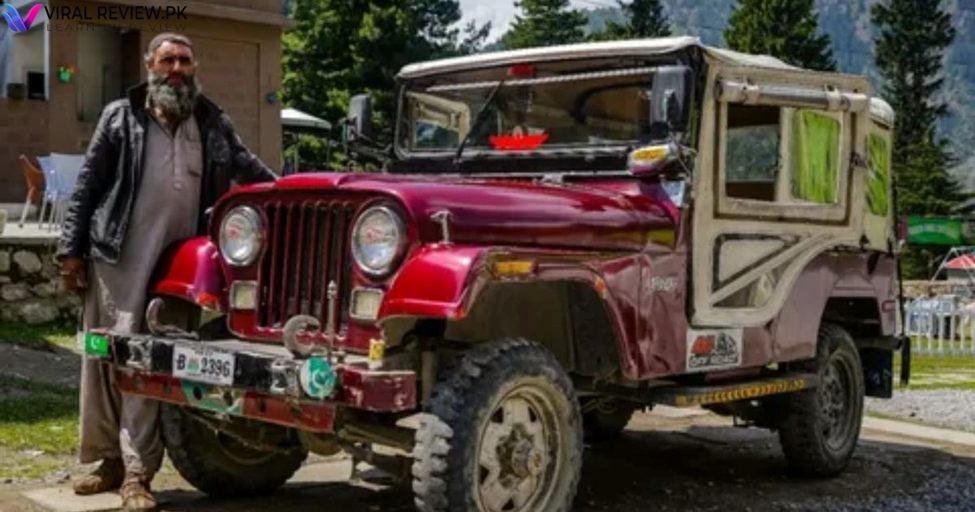
- Private 4×4: the flexible option. The Sost to Chapursan Valley jeep fare is a local quote, so check that it covers fuel, the return trip and waiting time. Your Chapursan Valley trip cost depends mostly on this and the number of nights, so agree prices before you go.
- Your own vehicle: only if it’s high-clearance and you know your way around rough tracks. A normal car won’t cope.
Where to Sleep: Homes, Not Hotels (The Best Part)
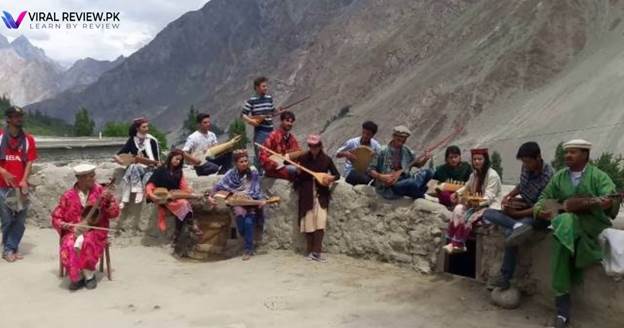
Searching for Chapursan Valley hotels? Here’s the twist: forget lobbies, minibars and tiny shampoo bottles. Chapursan runs on family homestays, and you’ll sleep in a village like Kirmin, Reshit, Sher-e-Sabz or Zood Khun, in a simple room under a pile of blankets, with a host who is probably already making tea. Breakfast might be bread, dairy and tea. Dinner might be potatoes, lentils and, you guessed it, more tea.
- The room: basic bedding and shared bathrooms. It’s cosy, not fancy.
- The power: it comes and goes, so your headlamp becomes your best friend.
- The wifi: little to none. Your family will happily fill that gap with conversation.
- The tea: endless. Saying no is a skill you’ll learn on day two.
- The booking tip: skip the hunt for Chapursan Valley hotels and message your host before you arrive and ask about your room, so you know a bed is ready when you pull in.
Bring a sleeping bag for extra warmth, and enjoy being the guest of a Wakhi family for a night or two.
What to See and Do: Five Stops Worth the Bumpy Road
1. Baba Ghundi Shrine: The Valley’s Last Stop Before the Sky
This is the big one. Baba Ghundi is Chapursan’s best-known pilgrimage site, linked by local tradition with a Sufi saint, and it sits high at the top of the valley near the Afghan border. The setting is dramatic, with bare mountains all around and a feeling that you’ve reached the end of the road.
Bring your original ID, dress modestly and follow the instructions at the checkpoint. A quick check in Sost about access before you set off keeps the day smooth.
2. Zood Khun: The Village at the Top of the Road
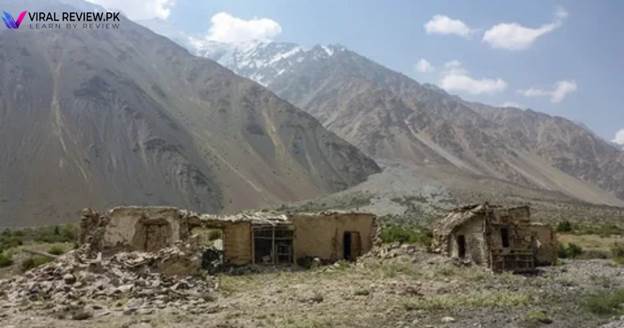
Zood Khun is the last main village, which makes it the favourite base for visiting the shrine. Stone houses, small fields and grazing land sit tucked beneath big peaks, and the pace of life here is wonderfully slow.
Spend an evening with a family, sip your tea and let the day settle. It’s the sort of place where you plan to stay one night and quietly extend to two.
3. Reshit and the Middle Villages: Slow Walks and Stone Houses
Reshit and its neighbours form the heart of the valley, with terraced fields, stone homes and mountain views at every turn. This is where photographers lose an hour at a time, and where easy walks turn into long chats with villagers.
Ask before you photograph people or homes, and keep your camera ready for the soft light in the morning and evening. The best shots here are usually the ones you didn’t plan.
4. The Quiet Lakes Beyond Zood Khun: Small, Peaceful and Proudly Unfamous
A few small lakes lie along the route towards Baba Ghundi. They aren’t the postcard lakes of Hunza, and that’s the charm: fewer crowds, rocky hills and wide mountain views, with nobody selling souvenirs.
There are no visitor facilities, so bring snacks and water and ask your host or guide for the route and walking time. It’s a lovely short outing when the track and weather are kind.
5. Raminj and the High Pastures: Meet the Yaks
Raminj is one of the first villages after the Sost turn-off, and it gives you a gentle first taste of Chapursan with stone houses, terraces and green slopes. Stop for a stretch and enjoy the view before the road gets bumpier.
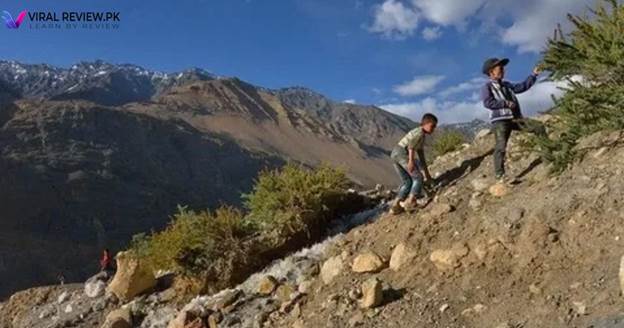
In warmer months, herders take their animals up to the high pastures, and a guided walk can bring you face to face with yaks, sheep and open meadows. Go with a local guide, enjoy the quiet and wave politely at the yaks.
Phone Signal and Staying Connected: What Signal? (Enjoy It)
Hoping for strong phone signal in Chapursan? Don’t count on it. Good luck. Mobile coverage in the valley is weak, and in many spots it simply isn’t there. Expect slow or missing data, patchy calls and no scrolling at the shrine. Consider it a free digital detox.
Before you go up:
- Download offline maps while you still have a connection. They make Chapursan Valley how to reach far less stressful.
- Tell someone your route and expected return.
- Don’t count on online payments, so carry cash.
- Pack a power bank, since electricity is limited.
- Agree a return plan with your driver and host.
Then put the phone away and talk to the people around you.
Places Near Chapursan Valley
| Place (distance) | Time to reach | Why it’s worth knowing |
| Baba Ghundi Shrine (about 20–25 km) | 4×4 required; ask your driver for timing | Pilgrimage site, near the border |
| Sost (about 50–60 km) | About 2–3 hours by jeep | The gateway town |
| Khunjerab Pass ( 85–90 km from Sost) | 2.5–3 hours from Sost | Border crossing, at 4,733 m |
| Karimabad, Hunza ( 140–150 km) | 4–5 hours | Baltit and Altit forts and classic Hunza views |
| Gilgit ( 240–250 km) | 7–8 hours | The nearest airport town and the main transport hub |
| Skardu ( 480 km) | 12–14 hours | A base for Shigar, Khaplu and the Baltistan region |
FAQs about Chapursan Valley
How do I reach Chapursan Valley?
Take the Karakoram Highway to Sost, then continue by shared or private 4×4 jeep.
What is the best time to visit Chapursan Valley?
June to August is usually best, with warmer days, greener fields and the easiest road.
Do foreigners need a permit for Chapursan?
Foreign visitors have reported registering at a checkpoint for the valley, but the shrine and treks beyond it may need an NOC from Gilgit.
Are there hotels in Chapursan Valley?
Mostly no, as accommodation is simple family homestays in villages like Reshit and Zood Khun.
Can I drive my own car there?
Only a high-clearance 4×4 with an experienced driver, as the track is rough and unpaved.
Is there mobile signal in Chapursan?
Coverage is weak or missing, so download offline maps and carry cash before you go.
Can I visit Baba Ghundi Shrine?
Yes, if access is confirmed in Sost, and you should carry your original ID and follow checkpoint instructions.
What should I pack?
Warm layers, sturdy boots, a headlamp, a power bank, a sleeping bag, snacks, cash and original ID.
How Long Should I Spend in Chapursan Valley?
For a memorable Chapursan Valley experience, plan to spend 2–3 days with at least two nights in the valley.
Heading Back Out: Same Road, Slower Mood, Plenty of Buffer
Chapursan Valley how to reach works in reverse too: down the valley to Sost, then back onto the Karakoram Highway. Confirm your return jeep or driver in advance, agree the Sost to Chapursan Valley jeep fare including the full return trip and waiting time, and ask about Chapursan Valley road conditions before you head back down.
From Sost, most travellers continue to Karimabad, with optional stops at Passu or Attabad if daylight and conditions allow. Allow for the same Hunza to Chapursan Valley distance on the way back, and if a flight or onward connection waits at the end, leave a weather and road buffer. Mountain schedules rarely run to the minute.
Final Thoughts: The Road Is Bumpy, the Memories Are Smooth
Chapursan doesn’t try to impress you. It has no resorts, no fast wifi and no souvenir stalls, and that’s exactly why it works. You trade a comfortable bed for a pile of blankets, a plan for a pot of tea, and a bumpy jeep ride for views that make you go quiet.
The Wakhi villages, the high pastures, the stone houses beneath huge peaks and the pace of life that refuses to hurry all add up to something the busier parts of Hunza rarely offer. Most people arrive curious and leave wondering why they didn’t come sooner. If the valley is calling you, do a little homework on Chapursan Valley how to reach and the Chapursan Valley trip cost, then go with an open mind.
Check the road and your host before you set off, pack warm, carry some cash and leave plenty of time, because the best moments here are the ones you didn’t schedule. Chat with your host, say yes to the second cup of tea, wave at the yaks and put your phone away. Chapursan rewards people who slow down, and it’s very good at sending them home with a story.
Quote of Inspiration:
“The best journeys are measured not only by the places we reach, but by the people and stories we carry home.”
1 thought on “Chapursan Valley : Hunza Best Route, How to Reach, Cost & Where to Stay”