
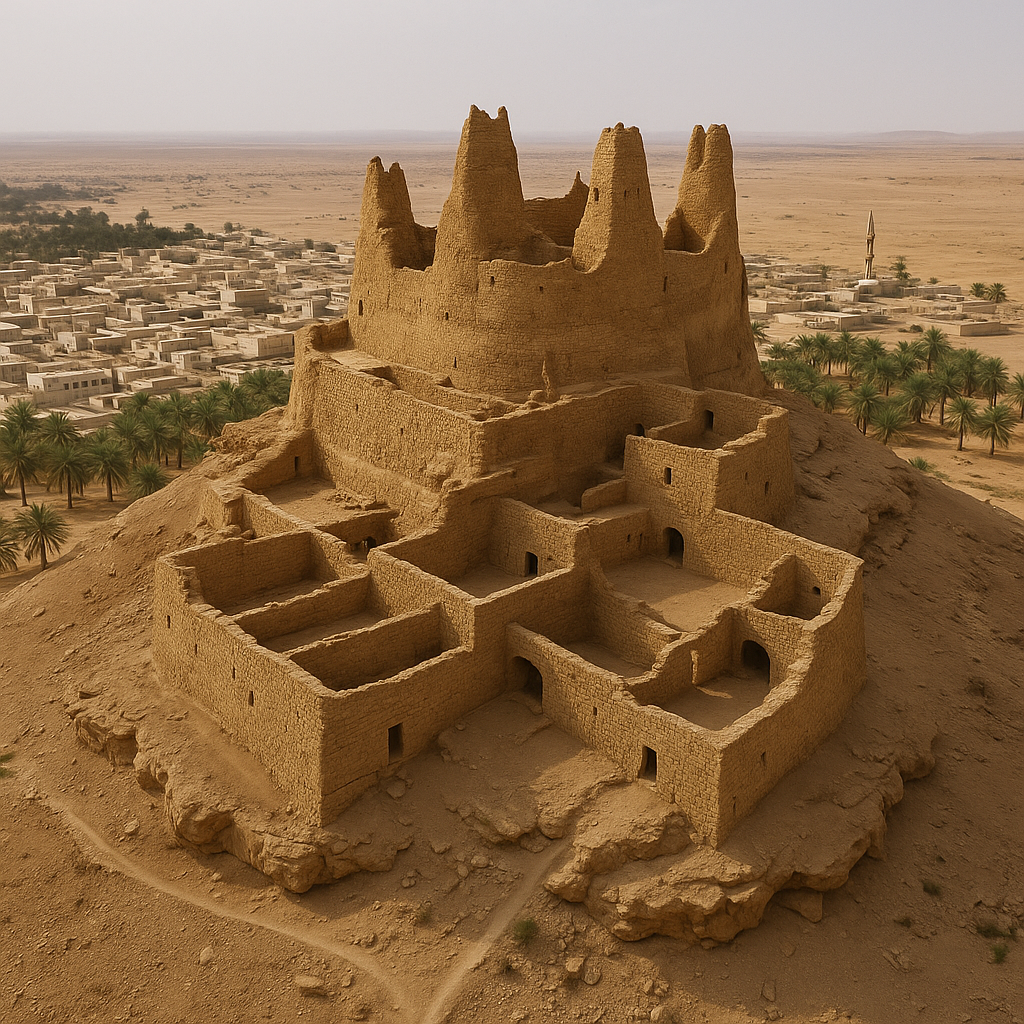
Dumat al-Jandal, located in the Al-Jawf Province in northwestern Saudi Arabia, is one of the country’s most historically rich and visually captivating destinations. This ancient city, with roots tracing back to the 10th century BCE, is steeped in legend, culture, and timeless architecture. The name “Dumat al-Jandal” combines “Duma” (a son of the Prophet Ishmael) and “al-Jandal” (meaning ‘rocky terrain’), signifying its rugged beauty and heritage.
Its strategic location, nestled near the borders of Jordan,
Syria, and Iraq, once made it a significant caravan stop and military outpost
in ancient times. Today, it stands as one of Saudi Arabia’s rising stars in the
tourism sector—attracting history lovers, archaeologists, and modern
adventurers alike.
 |
| Marid Castle (Qasr Marid) Dumat Al-Jandal |
Geographical Location and Accessibility
Dumat al-Jandal is located approximately 50 kilometers
southwest of Sakaka, the capital of Al-Jawf Province. It is well-connected via
regional highways and accessible by air through Al-Jawf Domestic Airport,
which connects to major cities like Riyadh and Jeddah.
Visitors traveling by car can enjoy a scenic journey through
vast deserts, ancient rock formations, and palm-lined roads. Local taxi and car
rental services in Sakaka make it convenient for tourists to reach Dumat
al-Jandal with ease.
Historical Importance
Historically, Dumat al-Jandal was a powerful stronghold and
administrative center for several civilizations including the Nabataeans,
Romans, and Islamic Caliphates. Its location on key ancient trade and
pilgrimage routes made it a strategic and economic hub.
- Inscriptions
and Artifacts: Archaeologists have uncovered Aramaic, Nabataean,
and Arabic inscriptions around the city, revealing interactions among
diverse civilizations over millennia. - Islamic
Era: During the Prophet Muhammad’s time, Dumat al-Jandal was known for
its resistance before embracing Islam in the 7th century CE. The city soon
became a part of the Islamic Caliphate and retained its significance
during the Umayyad and Abbasid eras.
Famous Places to Visit
Castle (Qasr Marid)
AD. It was famously mentioned in accounts of Queen Zenobia of Palmyra, who
attempted to conquer it but failed, remarking, “Marid has rebelled, and
Ablaq has glorified.” The castle offers panoramic views of the city
and the surrounding deserts.
Ibn Al-Khattab Mosque
Islamic structures in the region. It is characterized by its simple yet
commanding minaret and stone architecture, believed to be among the
earliest examples of early mosque design in the Arabian Peninsula.
City of Dumat al-Jandal
Najdi architecture. Walking through the narrow alleys takes you on a
journey through time, offering glimpses into daily life from centuries
past.
al-Jandal Lake
like picnicking, kayaking, and bird-watching. The surrounding area is
ideal for sunset photography and evening relaxation.
 |
| Damut Al-Jandal Lake |
Archaeological Sites
Dumat al-Jandal is an open museum of archaeological marvels:
- Tombs
and Burial Mounds: Ancient Nabataean and pre-Islamic tombs have been
found carved into rocky hillsides. - Ancient
Irrigation Systems: Remnants of stone-built canals and wells speak to
the region’s early innovations in water management. - Excavation
Discoveries: Ongoing excavations are revealing layers of
civilizations, from Roman-era coins to early Islamic pottery.
Saudi Arabia’s Heritage Commission and UNESCO are working to
have Dumat al-Jandal recognized as a World Heritage Site, enhancing its
global visibility.
 |
| Developing Culture: Falcon |
The Saudi Vision 2030 initiative is fueling major
infrastructure development in Dumat al Jandal:
- Tourist
Facilities: Modern rest areas, signage, tourist information centers,
and parking facilities have been established. - Cultural
Events: Seasonal festivals showcasing traditional music, crafts, and
cuisine are now being hosted. - Green
Energy Projects: The nearby Dumat al-Jandal Wind Farm, the
largest of its kind in the Middle East, is turning the city into a symbol
of sustainable progress.
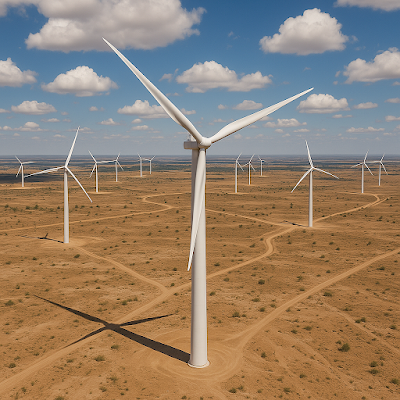 |
| Damut Al Jandal Wind Farm : Vision 2030 |
Hospitality and Accommodation
Visitors can choose from a range of accommodation options:
- Hotels
in Sakaka: Well-rated hotels such as Raoum Inn Sakaka, Al
Farhan Hotel, and Al Muhaidb Residence offer comfortable stays
with modern amenities. - Local
Guesthouses: For a more authentic experience, visitors can opt for
traditional guesthouses and Airbnb-style homes that reflect local
architectural charm.
Dining options include Middle Eastern, Saudi, and casual
international cuisines. Popular dishes include kabsa, haneeth,
and mutabbaq, served in friendly, family-run restaurants.
 |
| Arabian Traditional Coffee or Gahwa |
How to Reach
- By
Air: Nearest airport is Al-Jawf Regional Airport (AJF). - By
Road: Easily accessible via Route 80 (North Ring Road), connecting
Sakaka and other northern cities. - By
Bus: SAPTCO intercity buses provide budget-friendly travel options.
Visitor Tips
- Best
time to visit: October to April for cooler weather. - Wear
modest, comfortable clothing; closed shoes for exploring ruins. - Guided
tours are recommended for historical and cultural insights. - Photography
is permitted, but always be respectful of local customs.
Why Dumat al-Jandal is a Must-Visit
Dumat al-Jandal blends raw desert beauty with layered
history. It’s ideal for:
- History
and archaeology lovers. - Photographers
and nature enthusiasts. - Families
seeking meaningful cultural experiences.
Final Thoughts
Dumat al-Jandal is not just a historical destination—it’s a
living narrative of the Arabian Peninsula’s evolution. As part of Northern
Saudi Arabia’s growing tourism hub, it’s on its way to becoming a global
heritage attraction.
Saudi Arabia’s focus on developing tourism under Vision
2030 marks a significant transformation in diversifying its economy and
showcasing its rich cultural heritage. Dumat al-Jandal plays a vital role in
this strategy, serving as a gateway to the Kingdom’s ancient legacy and
untapped northern beauty. As part of Vision 2030, Saudi Arabia aims to increase
tourism’s contribution to GDP from 3% to over 10% by 2030, creating millions of
new jobs and attracting 100 million annual visits. Globally, tourism accounts
for about 7.6% of the world’s GDP, reflecting its immense economic and
cultural value. In 2023, Saudi Arabia’s GDP was estimated at $1.1 trillion,
and the growing tourism sector is a key player in its non-oil economic
diversification. To better understand the role and value of tourism worldwide,
check out our article on what is tourism. With the rise of
destinations like Dumat al-Jandal, Saudi Arabia is fast becoming a top global
travel and heritage destination.
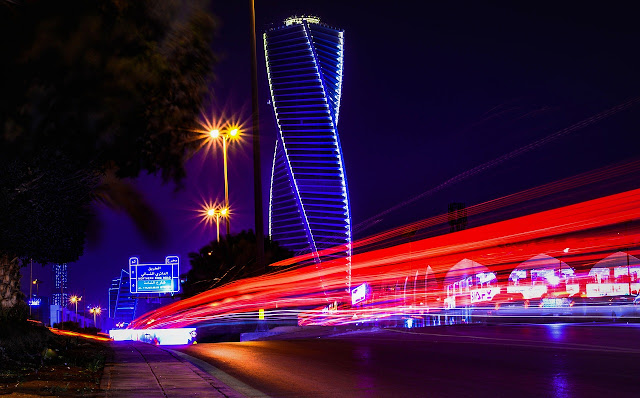 |
| Saudi Arabia is developing Touism under Vision 2030 |