
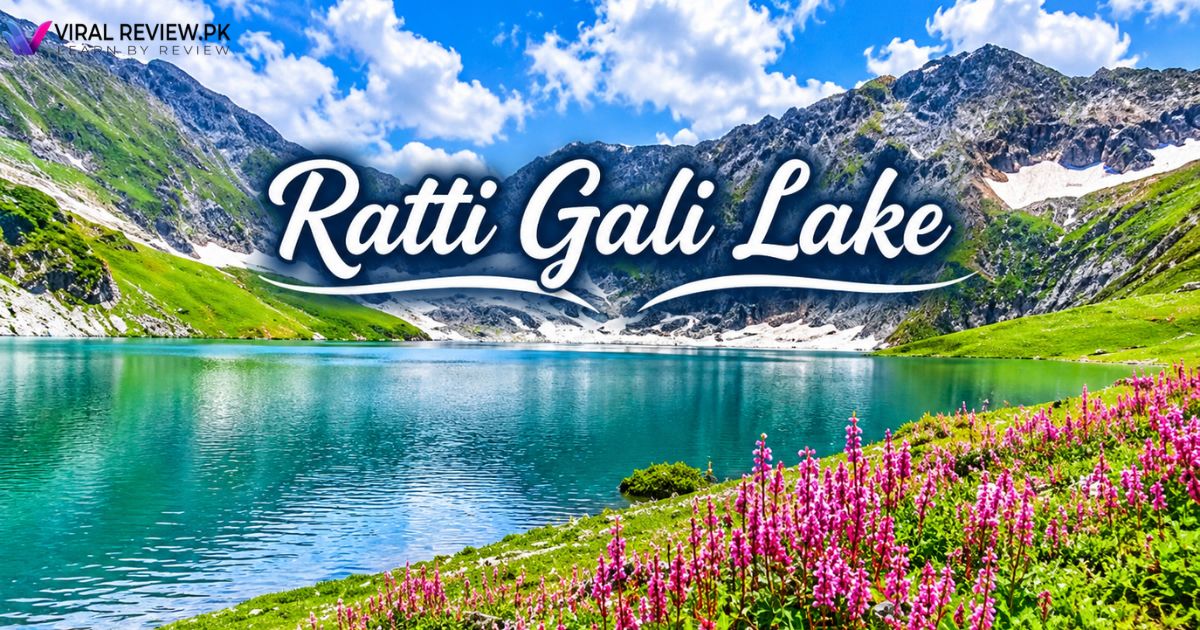
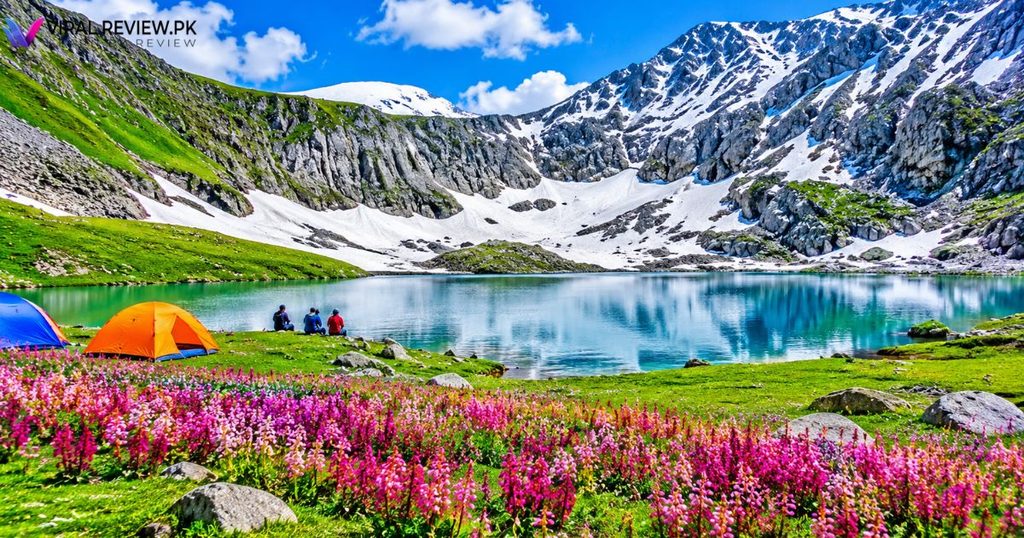
Some places are only visited. This one is felt, remembered, and missed long after the trek ends. Picture a deep blue lake resting between snowy ridges, with small icebergs drifting across its surface in the middle of summer. There are no crowds, no roads, and no noise, only the wind and the sound of your own footsteps.
That is exactly what trekkers find when they finally reach Ratti Gali Lake, one of the most spectacular glacial lakes in Neelum Valley, Azad Kashmir. The path is long and steep, yet every step feels like a chapter in a story you will tell for years.
Pakistan is full of famous mountain stops, and many travelers have already enjoyed Shogran Valley, Nagma Valley, or Katora Lake. Still, few places feel as wild and untouched as this one. It offers no luxury, but it offers something rarer: silence, space, and raw natural beauty.
In this guide, we cover the Ratti Gali location, the Ratti Gali height, the Ratti Gali temperature, the weather, the route from Islamabad, and the best places to see. Whether you are a first-time trekker or a seasoned hiker, you will find everything you need to plan with confidence.
A Lake Hidden Above the Clouds
Some lakes are beautiful. Others change you. Standing beside that glassy blue water, with snow peaks mirrored in it, you quickly forget your phone, your deadlines, and your worries. Ratti Gali does that to people.
Why It Stays in Your Heart Forever
Locals say the lake wakes up only when the snow melts. For a few short months the meadows bloom, the ice cracks, and the valley comes alive. Miss that window, and you must wait a full year to try again.
Why Go to This Lake? Because Ordinary Trips Cannot Compare
Most holidays are easy and predictable. A journey to this lake is neither, and that is exactly why it matters so much to those who complete it.
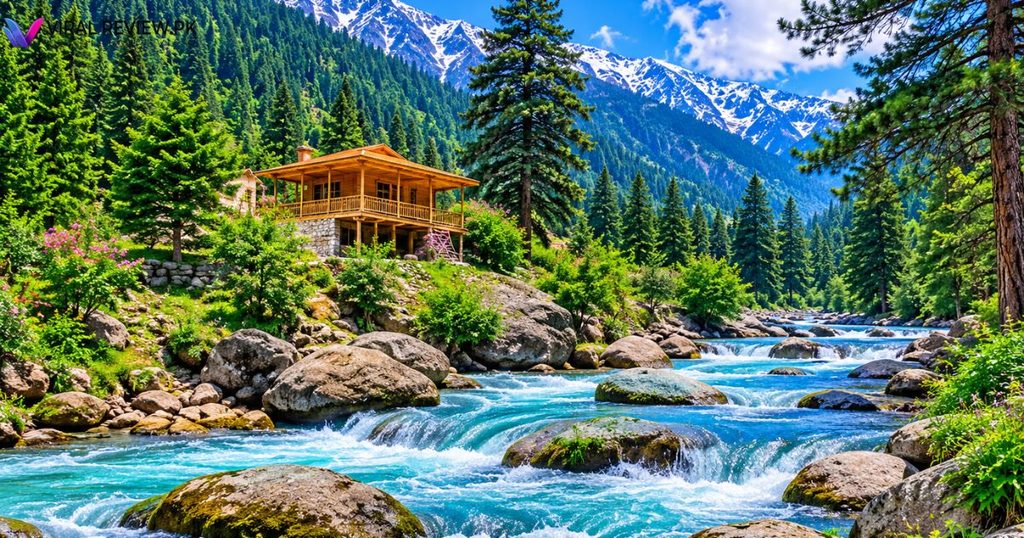
First, the scenery is unreal. Glacier-fed turquoise water, wildflower meadows, dark pine forests, and white peaks all appear in a single frame. Photographers often say they ran out of memory long before they ran out of views.
Second, the trek is a true adventure. You walk through forest trails, cross cold streams, climb grassy slopes, and pass local shepherds who greet you with a quiet smile. Each hour changes the landscape, so the walk never feels boring.
Third, it is a complete digital detox. Mobile signals fade as you climb, and your phone slowly becomes less important. In exchange, you get clear air, deep sleep, and thoughts that finally have room to breathe.
Fourth, the place suits many kinds of travelers. Campers enjoy the night sky, couples enjoy the privacy, friends enjoy the challenge, and solo travelers find the peace they were searching for.
Finally, reaching the lake after hours of walking gives you a sense of achievement that no car trip can match. Tired legs are forgotten the moment the lake appears over the last ridge.
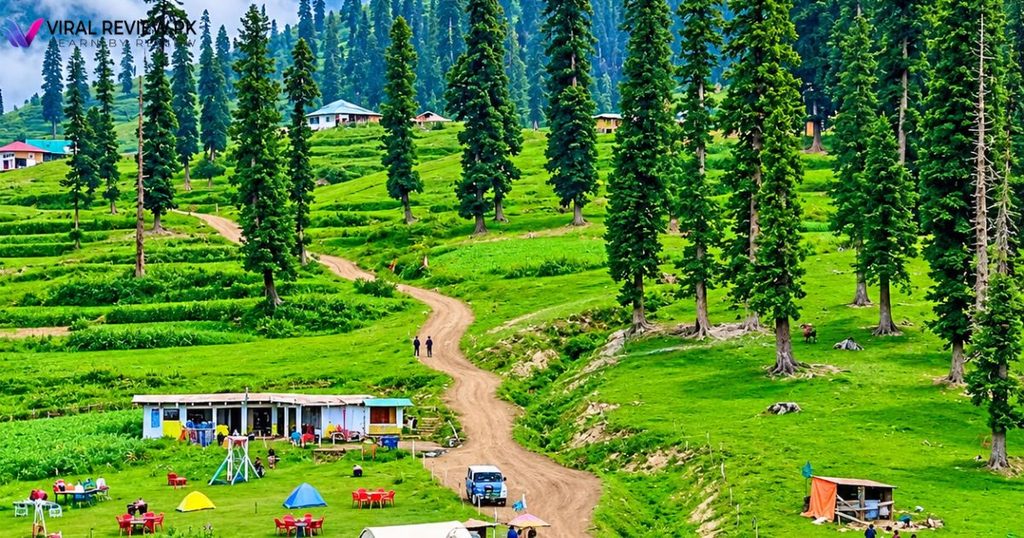
Ratti Gali Location: Where Exactly Is This Glacial Jewel?
The Ratti Gali location is in the upper Neelum Valley of Azad Jammu and Kashmir, Pakistan, reached through the Dowarian area. The lake sits in a high alpine bowl, surrounded by ridges and fed by melting glaciers.
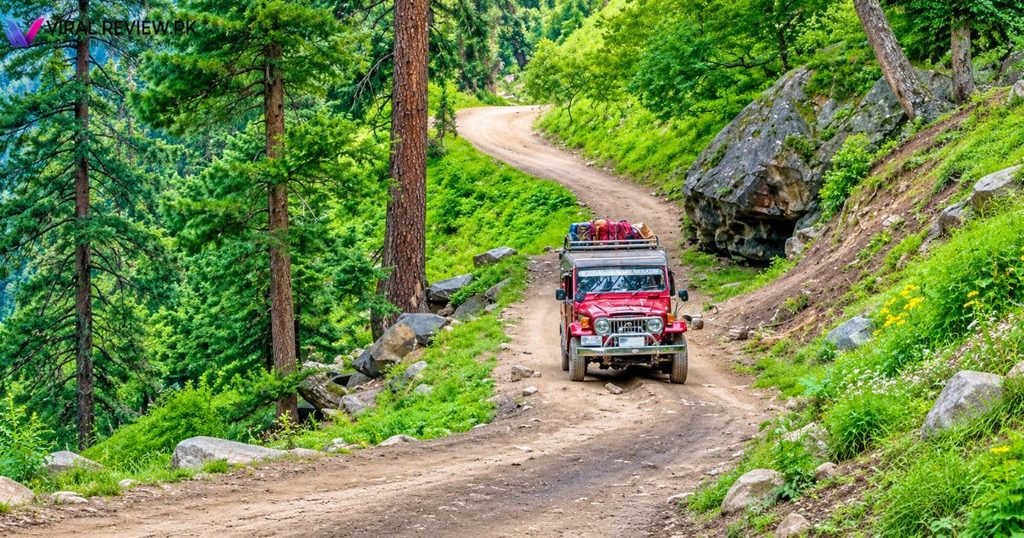
To get there, you drive up the Neelum Valley road to Dowarian, then continue by jeep track for part of the way and on foot for the rest. Many trekkers complete the route in two days, with a night in a tent along the way, while fast and fit groups try to do it in less.
Ratti Gali from Islamabad: The Road Journey
Going to Ratti Gali from Islamabad is long but rewarding. Most travelers first reach Muzaffarabad, then follow the Neelum River road deeper into the valley toward Dowarian.
The drive usually takes about 9 to 11 hours in total, depending on traffic, road conditions, and photo stops. Many people split it into two days, resting overnight in Muzaffarabad or Athmuqam so they begin the trek fresh.
A strong 4×4 vehicle or a reliable local jeep is recommended for the final stretch. Landslides sometimes block the road after rain, so check road status before you leave and start as early as you can.
Ratti Gali Height: How High Is the Lake?
The Ratti Gali height is generally given as around 3,700 meters, or roughly 12,100 feet, above sea level. Different sources quote slightly different numbers, so treat this figure as approximate.
The Ratti Gali Lake height places it among the higher alpine lakes of Azad Kashmir. At this altitude the air carries less oxygen, so even fit people feel breathless on steep sections. Walk slowly, drink plenty of water, and rest whenever your body asks.
Because of the Ratti Gali Lake height, some travelers feel headaches or tiredness on arrival. Spending a night at a lower village before the climb helps your body adjust, and descending at once is the right move if symptoms get worse.
Ratti Gali Weather: Know Before You Pack
The weather here is unpredictable, as it is in every high mountain place. A bright morning can turn cloudy and cold within an hour, and afternoon thunderstorms are common during the monsoon months.
Before that, snow covers much of the trail. After that, winter returns quickly, the lake begins to freeze, and heavy snowfall makes the area unsafe to visit.
Because conditions change by the hour, always check Ratti Gali weather today on a trusted mountain forecast app, or ask local guides in Dowarian before you begin. A forecast from the day before is simply not enough up here.
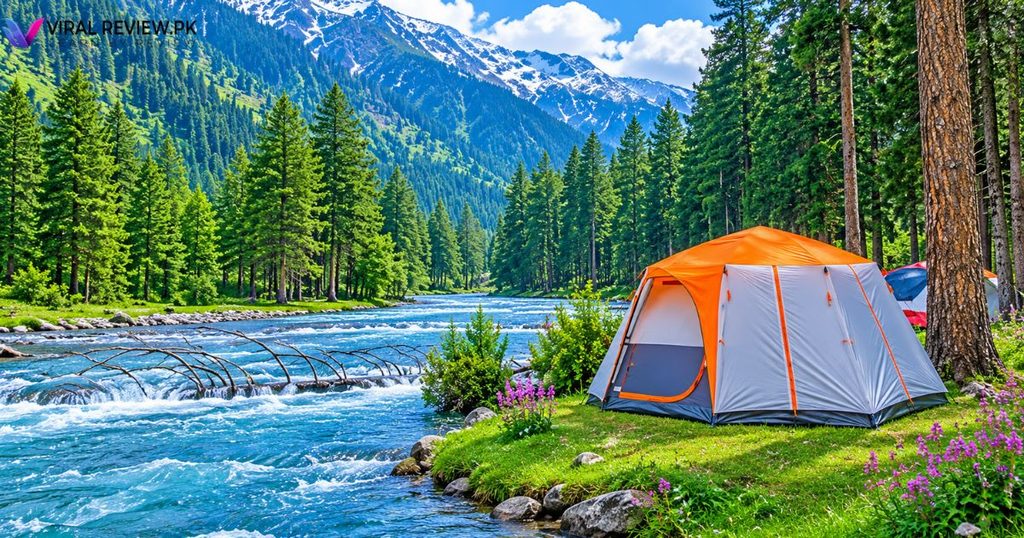
Ratti Gali Lake Weather: What to Expect at the Water’s Edge
Ratti Gali Lake weather is noticeably cooler than the valley below. Even on a sunny July day, a cold wind can sweep across the water, and clouds can swallow the peaks within minutes. Rain, hail, and even light snow are possible in the middle of summer.
Morning usually brings the clearest skies, so plan to reach the water early. Clouds often build by afternoon, so keep a rain jacket within easy reach. Many campers say Ratti Gali Lake weather changes faster than any app suggests, which is why a flexible plan always works best.
Ratti Gali Temperature by Season
The temperature depends strongly on the season and the time of day. These approximate ranges will help you pack:
- Summer (late June to September): daytime about 10°C to 16°C, nights about 0°C to 5°C.
- Autumn (October): daytime about 0°C to 8°C, nights well below freezing.
- Winter (November to March): far below freezing, with deep snow and closed trails.
- Spring (April to early June): near freezing, with snow still covering the upper route.
The Ratti Gali temperature drops sharply after sunset, so pack a warm sleeping bag, thermal layers, gloves, and a woolen cap even in August.
Ratti Gali at a Glance: Quick Summary
| Detail | Information |
| Place | Ratti Gali Lake |
| Region | Neelum Valley, Azad Jammu and Kashmir, Pakistan |
| Location | Upper Neelum Valley, reached via Dowarian |
| Ratti Gali Lake height | About 3,700 m (around 12,100 ft) |
| Trek start | Dowarian area |
| Trek time | Usually 2 days, depending on fitness |
| From Islamabad | Roughly 9 to 11 hours by road |
| Best season | Late June to September |
| Summer temperature | About 10°C to 16°C by day, 0°C to 5°C at night |
| Winter | Heavy snow, extreme cold, not accessible |
| Stay | Camping in tents |
5 Famous Places and Experiences on Your Trek
This trip is more than a single lake. The route and the valley around it offer several unforgettable highlights. Here are the five most famous.
1. The Glacial Lake and Its Floating Ice
The lake is the star of the journey. Its water shifts between deep blue and bright turquoise depending on the light, and small chunks of ice often float across the surface even in summer.
Sit quietly by the shore and listen. The silence is so complete that you can hear the ice crack and the wind move across the water. It is a moment that makes most trekkers fall quiet and smile.
Around the lake, dark rocky slopes and patches of old snow frame the water. As clouds move, the colors change from steel gray to bright blue within minutes, so stay longer than you planned.
2. Dowarian: The Gateway Village
Every adventure needs a starting point, and for this one it is Dowarian. The village sits on the Neelum Valley road and is where most trekkers gather supplies, meet guides, and arrange transport.
Spend an evening here if you can. Local tea, simple meals, and friendly conversation with villagers give you a warm welcome before the cold, quiet climb.
Local people know which sections are slippery, which streams are running high, and when the weather is about to turn.
3. The Alpine Meadows and Wildflower Trail
As you climb, the forest opens into wide green meadows covered in tiny flowers. In July and August the slopes burst with yellow, purple, and white blooms, and the air smells of fresh grass. Butterflies move between the blooms, and the sound of tiny streams follows you uphill.
This is the best place for photographs of the whole trip. Take your time here, because the meadows are the reward for the hard uphill sections behind you.
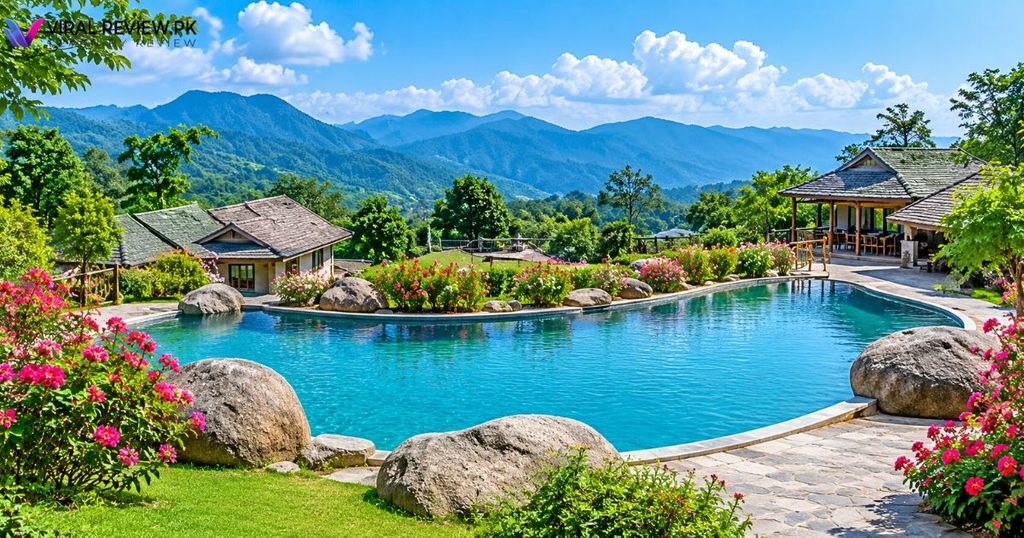
4. Camping Under a Sky Full of Stars
Nights at this altitude are cold but unforgettable. With almost no light pollution, the sky fills with so many stars that the Milky Way looks close enough to touch.
Bring a good tent, a warm sleeping bag, and a hot drink. Many travelers say one night under that sky was worth the entire journey. Wake once in the middle of the night, step outside, and just look up. That quiet moment is hard to put into words.
5. Sharda and Arang Kel: Nearby Neelum Valley Treasures
Once the trek is over, extend your trip deeper into the valley. Sharda is known for the ruins of Sharda Peeth, an ancient center of learning with great historical importance in South Asia.
Nearby, , Arang Kel is a dreamy hilltop village reached by a small chairlift and a forest trek. Together, these stops turn a single trek into a complete Kashmir experience. Plan at least one extra day for these places so you never feel rushed.
Key Points to Remember From the Highlights
- The trek usually takes two days, so plan for a night in a tent.
- Altitude is high, so walk slowly and stay hydrated.
- Weather and temperature change fast, so carry warm and waterproof layers.
- Dowarian is the best place to find guides and supplies.
- Sharda and Arang Kel make perfect add-ons after the trek.
Smart Travel Tips
Pack light but smart. Bring warm layers, a rain jacket, sturdy trekking shoes, a headlamp, sunscreen, a power bank, basic medicines, and plenty of snacks. Shops are few on the trail, and prices rise as you go higher.
Hire a local guide if you are not experienced. They know the route, the weather patterns, and the safest places to cross streams. Check Ratti Gali weather today again on the morning of your climb, and turn back if conditions look dangerous.
Carry cash, since cards and mobile banking do not work in the mountains. Respect local customs, dress modestly, and take every piece of garbage back with you so the lake stays clean for the next traveler.
Best Time to Visit: Month by Month
Timing decides everything on this trek, so choose your month with care. The wrong week can mean a snow-covered trail or a cloud-covered lake.
June is early and exciting, but snow still lies on the upper slopes and the lake may be partly frozen. July and August are the most popular months, with open trails, blooming meadows, and floating ice on the water, though afternoon rain is common.
September is quieter and often has crisp, clear skies, which photographers love. By October the cold grows serious, and from November the route is closed by snow for most travelers.
A Simple Two-Day Trek Plan
Day one starts early from Dowarian. After a light breakfast, you ride the jeep track as far as the vehicle can go, then begin walking through forest and meadow. Take short breaks every hour, eat snacks, and keep a steady pace instead of rushing.
By late afternoon, set up camp at a safe, sheltered spot. Eat a hot meal, drink warm tea, and sleep early, because the next morning is the most beautiful part of the journey.
On day two, wake before sunrise and climb to the water while the air is still calm. Spend an hour or two by the shore, take your photos, and enjoy the silence. Then begin the descent before the afternoon clouds build, and aim to reach Dowarian before dark.
Local Food, Culture, and Hospitality Along the Route
The Neelum Valley is not only about scenery, it is also about people. Villagers here are known for warm hospitality, and a simple cup of salty Kashmiri tea or fresh milk tea can turn a tired stop into a happy memory.
Expect plain, hearty meals such as lentils, flatbread, rice, eggs, and local vegetables. Trout from the river is a common treat in lower villages, and honey and dried fruits make excellent trail snacks. Food becomes limited as you climb, so eat well before you leave the last village and carry extra energy bars.
Learn a few polite words in the local language, greet people with a smile, and accept invitations for tea when you can. These small gestures open doors, and many travelers say the friendships they made were as precious as the views.
What to Pack: A Quick Checklist
A smart bag makes the trek far more comfortable. Keep it light, because every extra kilogram feels heavy at high altitude.
- Waterproof jacket, thermal layers, fleece, gloves, and a woolen cap
- Broken-in trekking shoes and two or three pairs of warm socks
- Tent, sleeping bag rated for freezing nights, and a sleeping mat
- Headlamp or torch with spare batteries, plus a power bank
- Water bottles, purification tablets, energy bars, nuts, and dry fruits
- Sunscreen, sunglasses, lip balm, and a basic first-aid kit
- CNIC, some cash, and a small bag for garbage
Frequently Asked Questions About Ratti Gali
Where is Ratti Gali Lake located?
It is in the upper Neelum Valley of Azad Kashmir, reached via the Dowarian area.
What is the lake’s height above sea level?
It is roughly 3,700 meters, or about 12,100 feet, above sea level.
How long is the trek?
Most people take about two days, including a night of camping.
How far is the lake from Islamabad?
The road journey to the trailhead takes around 9 to 11 hours.
Best time to visit Ratti Gali Lake is?
Late June to September offers the most open trails and clearest views.
How cold does it get?
Summer days are about 10°C to 16°C, and nights can fall to near freezing.
Where can I check Ratti Gali weather today?
Use a trusted mountain forecast app and confirm with local guides in Dowarian.
Is it suitable for beginners?
It is challenging, so beginners should go with a guide and a fit group.
Conclusion
This lake is not just a destination, it is an experience that stays with you. It is the feeling of leaving noise behind, climbing through forest and meadow, and finally seeing a glacial lake shining under the sky.
From the cold turquoise water to the warm welcome in Dowarian and the star-filled nights in camp, every moment feels earned. You come home with photos, but more importantly, you come home with a quieter mind.
Plan carefully, respect the mountain weather, pack for the cold, and never rush the climb. A little preparation turns a hard trek into a safe and joyful memory, and local guides can make a huge difference.
So if your heart has been asking for something wilder, calmer, and more real, listen to it. Pack your bag, leave the city behind, and let Ratti Gali show you what you have been missing.
A Thought to Carry With You
“The mountain never hurries you; it simply waits until your heart is quiet enough to hear it.”
1 thought on “Ratti Gali Lake – 7 Breathtaking Secrets”