
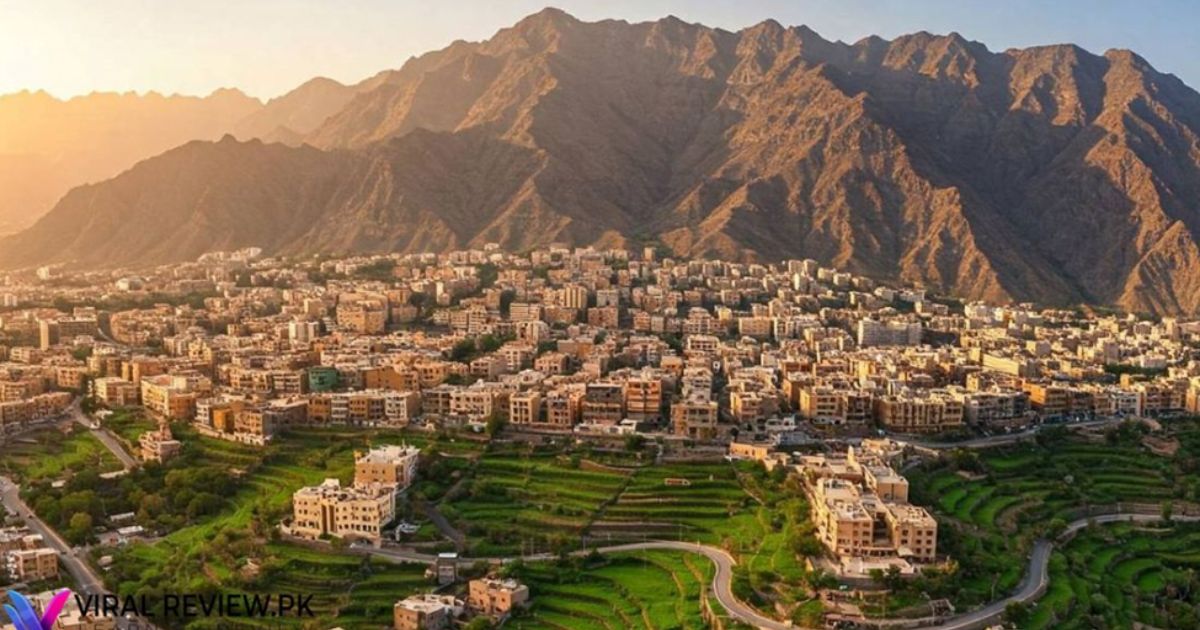
Every complete Abha Travel Guide begins with one simple fact: this highland city does not feel like the rest of Saudi Arabia. Perched at roughly 2,200 meters in the Asir Mountains, Abha trades sand dunes for pine-scented ridges, rolling fog, and terraced valleys that stay cool even when the rest of the Kingdom bakes in summer heat. For decades it was a quiet retreat for local families escaping the coastal humidity, but today it has grown into one of the country’s most talked-about highland destinations, complete with a modern airport, boutique hotels, and a cable car network that laces the city together from peak to peak.
Quick Facts About Abha
| Quick Facts | Details |
|---|---|
| Location | Asir Province, Southwestern Saudi Arabia |
| Elevation | Approximately 2,200 meters (7,200 ft) above sea level |
| Nearest Airport | Abha International Airport (AHB) |
| Best Time to Visit | March to September (especially during the Asir Summer Season) |
| Recommended Stay | 2–3 Days |
| Famous For | Asir Mountains, Green Mountain, Cable Cars, Cool Climate & Heritage Villages |
| Top Attractions | Green Mountain, Al Souda, Habala Village, Rijal Almaa, Art Street |
| Currency | Saudi Riyal (SAR) |
| Language | Arabic (English is commonly spoken in hotels and tourist areas) |
| Time Zone | Arabia Standard Time (AST, UTC+3) |
| Average Summer Temperature | 20–30°C (68–86°F) |
| Best For | Nature Lovers, Families, Couples, Adventure Travelers & Photographers |
This Abha Travel Guide is built for travelers who want more than a checklist — it walks through the region’s geography, its most photographed landmarks, its heritage villages, and the practical details (SIM cards, emergency numbers, weather patterns) that make a trip run smoothly. Whether you are arriving on a weekend break from Jeddah, extending an Umrah trip from Madinah, or planning a dedicated week in the southwest, this guide gives you an accurate, up-to-date picture of what to expect on the ground in 2026, as Abha Tourism continues to expand year after year.
Picture standing on a viewing deck as the afternoon fog rolls in beneath your feet, swallowing the valley while the mountaintop where you stand stays sunlit and clear — that single moment is why so many visitors say Abha feels unlike anywhere else in the Kingdom, and it’s exactly the kind of experience this Abha Travel Guide is designed to help you find.

Green Mountain (Jabal Al-Akhdar / Jabal Thera)
Green Mountain sits right in the heart of the city and is arguably the single most recognizable landmark covered in this Abha Travel Guide. Locally known as Jabal Thera, the peak is famous for the emerald-colored lighting that wraps its summit each night, a glow that is visible from much of central Abha. During the day the site functions as a leisure park with cafés, a family restaurant, and wide viewing terraces looking out over the surrounding Sarawat range; by night it becomes one of the best photography spots in the city.
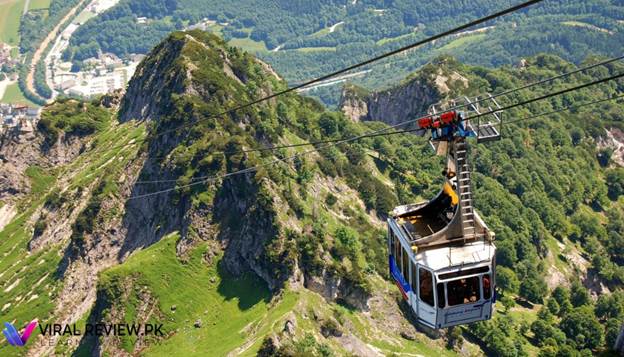
The easiest way up is the Abha Cable Car, which departs from the Abha Al Jadidah station and the ride usually takes only a few minutes while offering panoramic views over the city and surrounding mountains. Along the way, cabins pass over Abu Khayal Park, giving riders a bird’s-eye view before reaching the top.
Ticket prices generally run between SAR 50 and 80 for a return trip, with reduced rates for children, and tickets are purchased on-site rather than booked online however ticket prices vary by season and route, so it’s best to check current rates at the station before your visit. Arriving early in the morning is the best strategy, since afternoon cloud cover can obscure the views later in the day.
Al Soudah and Jabal Al Souda
No Abha Travel Guide would be complete without Jabal Al Souda, the highest point in Saudi Arabia at just over 3,015 meters above sea level. The drive up from Abha winds through dense juniper forest, some of the trees reportedly centuries old, and the temperature drops noticeably as the road climbs. A separate cable car line here descends dramatically toward the valley floor near Rijal Almaa, offering one of the longest and most scenic rides in the entire highland cable network — a highlight any Abha Travel Guide should flag early.
Al Souda is a magnet for hikers, campers, and photographers, particularly around sunrise when the peaks emerge above a sea of cloud. Facilities at the lower station include seating areas, small shops, and food stalls, though the upper plateau remains largely natural. Because this route sits at higher altitude and operates seasonally with more limited hours outside summer, it’s worth calling ahead or checking with a hotel concierge before planning your visit around it.
Habala Hanging Village
Habala, sometimes written Habala Village or Al Habala, is one of the most dramatic sites in the region — a cluster of stone dwellings once built into a sheer cliff face and historically reachable only by rope ladder. Today a cable car carries visitors down into the gorge where the old settlement sits, replacing what used to be a genuinely perilous climb. The setting alone, surrounded by terraced cliffs and thick greenery, makes it one of the most photographed corners of Abha.
The Habala cable car route tends to run on a more limited seasonal schedule, often only a few days per week outside the summer months, so travelers should confirm current operating days before making the trip out. Once at the bottom, there are walking paths, small cafés, and viewpoints that let you appreciate just how isolated this community once was. It’s a strong half-day addition to any Abha Travel Guide itinerary focused on both nature and history.
Rijal Almaa Heritage Village
About 45 kilometers from central Abha, Rijal Almaa is one of Saudi Arabia’s most celebrated heritage villages and is famous for its traditional stone tower houses and the UNESCO-listed Qatt Al-Asiri decorative art found throughout the region. Walking through its narrow lanes feels like stepping into a living museum, and several of the towers now function as small galleries or cultural centers explaining Asiri architecture and craft traditions.
The village is especially striking in the late afternoon, when golden light hits the stone façades and the surrounding mountains turn a deep amber. Guided tours are available and worthwhile here, since local guides can explain the symbolism behind the wall paintings and the defensive logic behind the tower design. Combine a Rijal Almaa visit with the nearby Al Souda cable car descent for one of the most efficient sightseeing days in the region.
Al Muftaha Village and Art Street
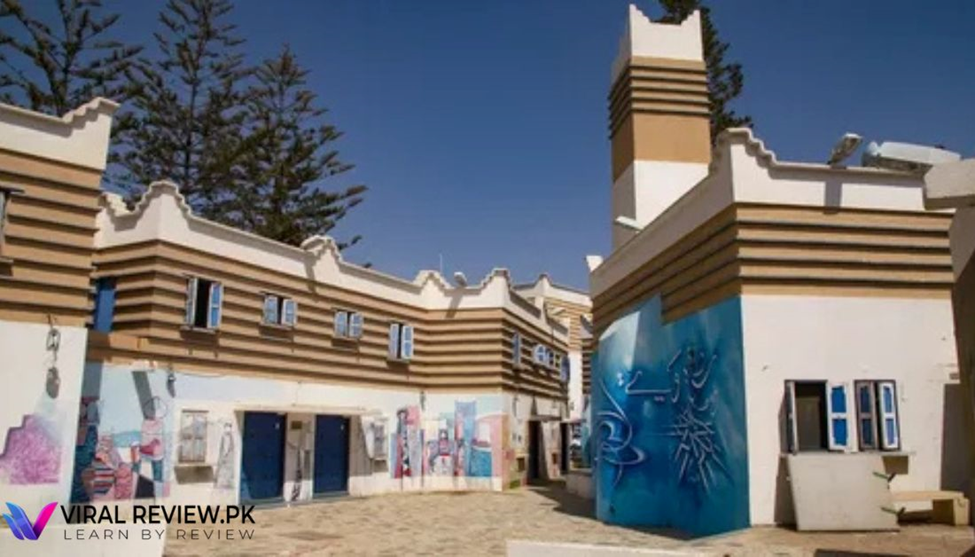
Back in the city itself, Al Muftaha Village is Abha’s arts quarter — a collection of galleries, workshops, and open studios where local and regional artists display paintings, sculpture, and traditional crafts. It’s a slower, more contemplative stop compared to the mountain attractions, and a good way to understand the creative culture that has grown alongside Abha’s tourism boom.
Nearby, Art Street extends the same spirit outdoors, with murals, sculptures, and pop-up craft stalls lining a pedestrian corridor that’s popular in the evening once temperatures drop. Shada Palace, a restored royal residence turned museum, sits close by and rounds out a cultural half-day that pairs naturally with sunset atop Jabal Thera.
Heritage and Cultural Sites Beyond the Main Attractions
Any thorough Abha Travel Guide should also point beyond the headline landmarks, since Abha Tourism boards have steadily restored several smaller heritage sites worth a detour. High City (Al Mudinah Al Alya) offers panoramic views and hosts the Abha Palace Hotel and Al Salam Palace, while the Al Raqdi Museum houses artifacts, traditional clothing, and pottery that trace the area’s history. Shamsan Ottoman Castle and Historical Tabab are smaller but rewarding stops for anyone interested in the region’s Ottoman-era past, and Abha Dam Lake provides a peaceful, family-friendly spot for an evening walk once the sightseeing pace slows down.
Getting There: Abha International Airport
No Abha Travel Guide is complete without airport logistics. Abha is served directly by Abha International Airport, which connects to Riyadh and several other regional cities with regular domestic flights, along with a growing number of international routes. The airport sits a short drive from the city center, and taxis, ride-hailing apps, and hotel shuttles are all readily available on arrival. Travelers coming overland from other parts of the Kingdom should expect a mountainous, winding drive with sections of fog, so daylight travel is strongly advised, and a private driver is a sensible choice for anyone unfamiliar with the roads.
Practical Advice for Visitors
Anyone assembling their own Abha Travel Guide should plan around the region’s altitude and shifting weather rather than treating it like a typical Saudi city break. Abha Weather stays notably milder than the rest of the country, but evenings can turn genuinely cold thanks to the elevation, so layered clothing is essential even in summer. The most popular time to visit is from March through September, particularly during the Asir Summer Season when temperatures remain pleasantly cool compared with much of Saudi Arabia.
Book Abha Hotels in advance during peak summer weekends, when domestic tourists flock to the highlands to escape the heat elsewhere in the Kingdom. Options range from international chains near High City to smaller boutique stays closer to the cable car stations. Two to three days is generally enough to cover the essential Things to Do in Abha — one day for the city landmarks, one for Al Souda and Rijal Almaa, and an optional third for Habala or a slower cultural day around Al Muftaha Village. Modest dress is expected everywhere, and it’s worth confirming cable car operating days ahead of time, since routes like Habala and parts of Al Souda run on reduced seasonal schedules.
Getting Around: Local Transportation in Abha
Abha is walkable in the city center, but its hilly, spread-out layout means most visitors rely on taxis or ride-hailing apps like Uber and Careem to move between attractions such as Green Mountain, High City, and Abu Khayal Park. Fares are generally affordable compared to Riyadh or Jeddah, and drivers are used to shuttling tourists between cable car stations and hotels. Public buses exist but are limited in coverage and not the most practical option for short-stay visitors trying to cover multiple landmarks in a day.
For day trips to Al Souda, Rijal Almaa, or Habala, renting a car or hiring a private driver for the full day is by far the most efficient choice. Roads into the mountains are well-paved but winding, with sharp curves and occasional fog, so an experienced local driver adds real value beyond convenience. Many hotels can arrange a driver directly, and fixed day rates are common, which makes budgeting straightforward for multi-stop itineraries outside the city.
Ride-hailing apps work reliably within the city, but coverage and driver availability thin out considerably once you head into the higher valleys, so it’s worth confirming return transport before setting off on a remote excursion. Self-driving is possible for confident drivers, though signage can be sparse in places, and GPS occasionally lags in deep valleys with limited signal. Whichever option you choose, building in extra time for photo stops along the mountain roads is always worthwhile, since the drive itself is often as scenic as the destination.
Local Food and What to Try in Abha
Asiri cuisine reflects the region’s mountain agriculture, and dishes here differ noticeably from what’s typical in Riyadh or the Hejaz coast. Look for Aseeda, a wheat-based dish often served with honey or savory sauce, along with Mandi and Madfoon prepared with local lamb. Freshly baked flatbreads, mountain honey, and locally grown coffee are also regional specialties worth seeking out, particularly in small family-run restaurants around the older parts of the city.
Restaurants near High City and Al Muftaha Village tend to offer both traditional Asiri fare and more international menus, making them convenient after a day of sightseeing. Cafés at the Green Mountain summit and around Abu Khayal Park are popular for a relaxed evening meal with a view. For a more authentic experience, smaller eateries in the older neighborhoods usually serve home-style dishes at lower prices than the tourist-facing restaurants near major landmarks.
Coffee culture is also worth exploring, since the surrounding highlands produce some of the region’s better-known Arabica beans, often served in small local coffee houses alongside dates or sweet pastries. Vegetarian travelers will generally find rice, lentil, and vegetable-based dishes available even in traditional restaurants, though options are more limited outside the main dining areas. Trying a meal at a mountaintop café during sunset is a small but memorable way to combine local flavors with the region’s best scenery.
Currency, Payments, and Budgeting Tips
The Saudi Riyal (SAR) is the only currency accepted in Abha, and while card payments are widely available in hotels, malls, and larger restaurants, smaller shops, local markets, and some taxi drivers still prefer cash. It’s worth carrying a reasonable amount of Riyal, especially for day trips to Rijal Almaa or Habala, where card machines are less consistently available. ATMs are common in the city center but sparser in the mountain villages.
Overall costs in Abha tend to be moderate compared to Riyadh or Jeddah, with cable car tickets, museum entry, and local meals priced reasonably for most travel budgets. Mid-range hotels, cable car rides, and a few meals out can be managed comfortably on a modest daily budget, while heritage tours, private drivers, and higher-end accommodation will naturally push costs up. Booking hotels and drivers a few weeks ahead during peak summer season also helps avoid inflated last-minute pricing.
Tipping isn’t mandatory but is appreciated for drivers, tour guides, and restaurant staff, with a modest amount generally seen as a fair gesture for good service. Digital wallets and contactless payments are increasingly common in cafés and shops around the city center, which can simplify small daily transactions. Setting aside a slightly larger cash buffer than usual is still wise for mountain excursions, since connectivity and card readers become less predictable the further you travel from central Abha.
Best Photography Spots and Viewpoints
Abha rewards photographers with layered mountain views, shifting fog, and dramatic lighting that changes throughout the day. The Green Mountain summit is a reliable spot for both sunset shots and night photography, thanks to its emerald illumination and elevated vantage point over the city. The Fog Walkway near Al Souda is another favorite, offering the surreal sensation of standing above a sea of clouds during the early morning hours.
Rijal Almaa’s stone towers provide some of the most distinctive architectural photography in the region, especially in late afternoon when warm light hits the façades directly. Habala’s cliffside setting also makes for striking wide shots of the old hanging village against the surrounding gorge. For travelers focused on landscape photography, arriving at viewpoints early — before midday cloud cover builds up — consistently produces the clearest, most dramatic results.
A wide-angle lens is useful for the sweeping valley shots at Al Souda, while a longer lens helps isolate details in the Qatt Al-Asiri wall art found around Rijal Almaa’s tower houses. Drone use is regulated in Saudi Arabia and may require authorization. Visitors should check the latest regulations before bringing or flying a drone. Even without specialized gear, a smartphone captures Abha’s layered fog and mountain light surprisingly well, especially in the soft glow just after sunrise.
Cultural Etiquette and Dress Code for Visitors
As in the rest of Saudi Arabia, modest dress is expected in Abha, particularly at heritage sites, mosques, and traditional villages like Rijal Almaa. Both men and women should avoid overly revealing clothing, and it’s respectful to dress a little more conservatively when visiting cultural landmarks or smaller, more traditional neighborhoods outside the main tourist areas. Layers also help, since temperatures shift quickly between valley floor and mountaintop.
Photography etiquette matters too — always ask before photographing local residents, particularly in heritage villages where daily life continues alongside tourism. Greetings, patience, and a friendly attitude go a long way with locals, who are generally welcoming to visitors exploring the region. Respecting prayer times, when some shops and attractions may briefly pause activity, is also a simple courtesy that helps a trip run smoothly.
Public displays of affection are best avoided, and it’s considerate to keep noise levels down in quiet residential lanes within heritage villages. Removing shoes before entering certain traditional homes or cultural centers, when indicated, is a small gesture that’s well received. Overall, most visitors find Abha’s local community welcoming and easygoing, and a little cultural awareness goes a long way toward a smoother, more respectful trip.
SIM Card Comparison: STC vs Mobily vs Zain
| Feature | STC | Mobily | Zain |
| Mountain/Highland Coverage | Strongest overall coverage | Good coverage in the city; weaker in remote mountain zones | Reliable in-city coverage; moderate in outlying areas |
| Tourist Data Packages | Widely available, slightly higher priced | Competitive pricing, good value packages | Competitive pricing, frequent promotional offers |
| Airport Availability | Counter at Abha International Airport | Counter at Abha International Airport | Counter at Abha International Airport |
| eSIM Option | Yes | Yes | Yes |
| Best For | Travelers heading deep into Al Souda or Habala | Budget-conscious travelers staying mostly in the city | Balanced coverage and pricing for mixed itineraries |
Emergency Numbers to Know
A responsible Abha Travel Guide always includes safety basics. Emergency services can be reached through the national emergency system, while traditional numbers such as 997 (ambulance), 998 (civil defense), and 999 (police) are still recognized in many areas. Travelers should verify the latest emergency numbers before visiting. It’s worth saving these numbers in your phone before heading into more remote mountain areas around Al Souda or Habala, where mobile signal can occasionally be inconsistent.
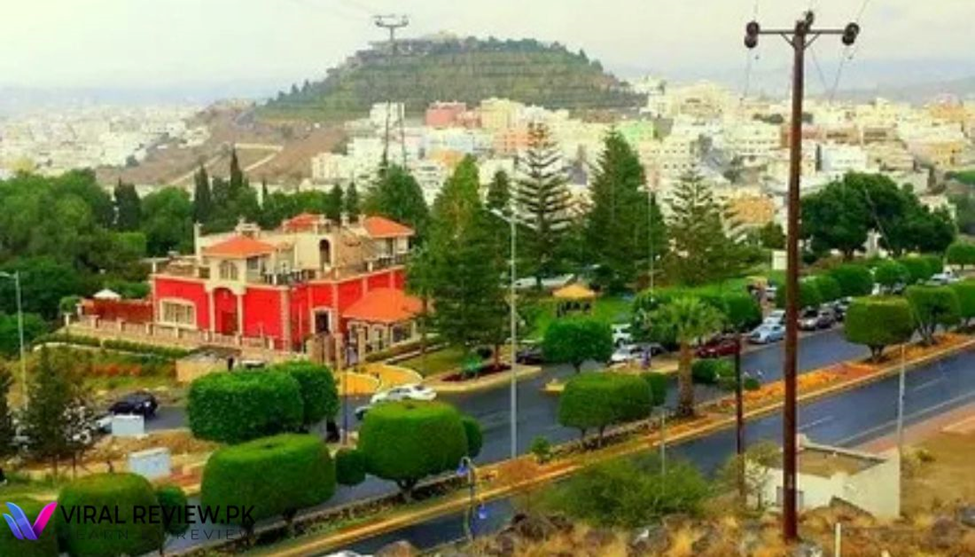
Planning a road trip across the Kingdom? These approximate driving distances from Abha to other major destinations can help you estimate travel times and organize a smoother itinerary. If you’re exploring multiple regions, this information complements your Saudi Travel Guide and makes planning your journey much easier.
Distances from Abha to Other Major Cities
- Abha → Jazan: Approximately 200 km
- Abha → Najran: Approximately 280 km
- Abha → Al Baha: Approximately 390 km
- Abha → Taif: Approximately 450 km
- Abha → Makkah: Approximately 630 km
- Abha → Jeddah: Approximately 625 km
FAQs – Abha Travel Guide
What is the best time of year to visit Abha?
The most comfortable window falls between March and September, when the highland climate stays mild and green, though many travelers also enjoy the cooler, quieter months from October through February.
How many days should I plan for a full Abha Travel Guide itinerary?
Two to three days is typically enough to cover the illuminated summit, Al Souda, Rijal Almaa, and a cultural stop like Al Muftaha Village without rushing.
Is the Abha Cable Car open every day?
Not always. The in-city summit route generally runs more consistently, but the Al Souda and Habala routes often operate on limited seasonal schedules, so confirming days in advance is recommended.
Do I need a car to explore the highlands around Abha?
Per this Abha Travel Guide, a private driver or rental car is helpful for reaching Rijal Almaa and Al Souda comfortably, since roads can be steep, winding, and occasionally foggy.
Are Abha Hotels expensive during peak season?
Prices rise noticeably during summer weekends when domestic tourism peaks, so booking accommodation several weeks ahead is a smart move.
What should I pack given typical Abha Weather patterns?
Pack layers. Days can be mild to warm, but evenings and higher elevations like Al Souda turn cold quickly due to altitude.
Is Habala Village suitable for children or elderly travelers?
Yes — as this Abha Travel Guide notes, the cable car has replaced the old rope-ladder access, though the walking paths at the lower village do involve some uneven terrain.
Can I combine a trip to Abha with other major Saudi cities?
Yes, this Abha Travel Guide approach works well as an add-on trip, since Abha International Airport has regular domestic connections that make it an easy short flight from several major hubs.
Conclusion – Abha Travel Guide
A well-planned trip through the southwestern highlands rewards travelers with a side of Saudi Arabia that surprises even people who think they know the country well — cool air, layered green valleys, cliffside villages, and a cable car network that turns sightseeing into part of the adventure itself. Between Jabal Thera’s night glow, the sweeping views from Al Souda, and the centuries-old stonework at Rijal Almaa, Abha packs a remarkable range of experiences into a compact, walkable region.
Use this Abha Travel Guide as a starting framework, then adjust the pace to match your own interests, whether that means slower cultural mornings at Al Muftaha Village or full days chasing viewpoints across the highlands. With reasonable planning around weather, cable car schedules, and hotel bookings, a visit here tends to become one of the most memorable stops on any wider Saudi itinerary — a fitting reason to Visit Abha at least once.
Quote of Inspiration
The mountains do not shout their beauty; they simply wait for those patient enough to climb and see it for themselves.