
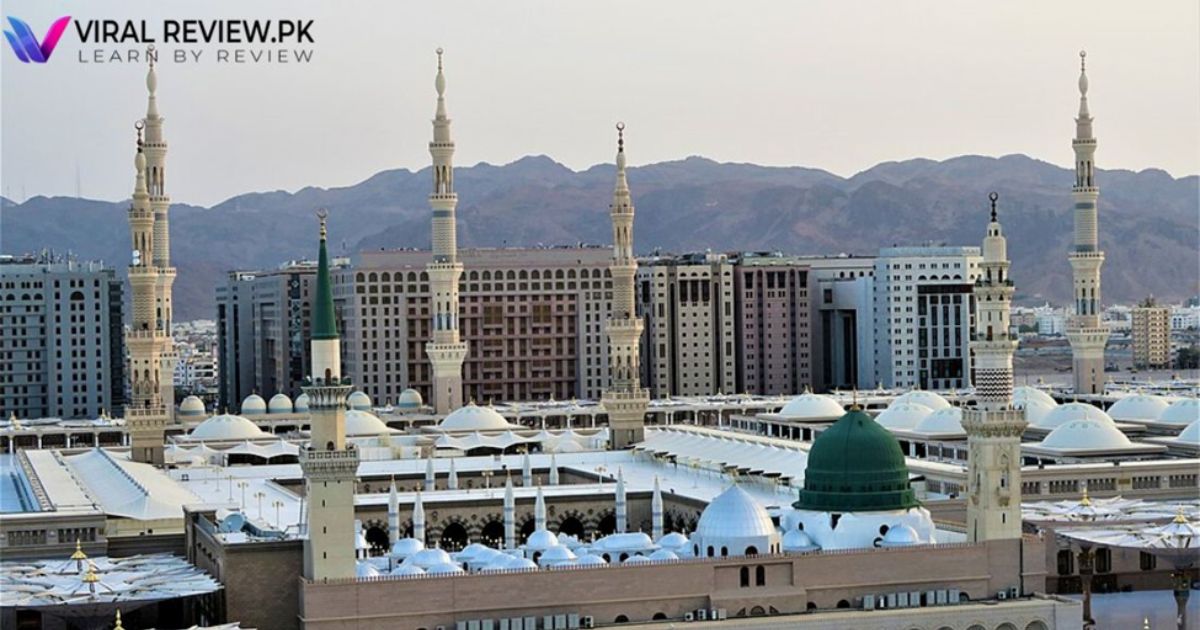
Every trip to Madinah starts with the same quiet realization: this is the ground the Prophet Muhammad (peace be upon him) walked, prayed on, and eventually was laid to rest in. That single fact reshapes how most travelers approach the visit — less like sightseeing, more like arriving somewhere they’ve thought about for years. This Madinah Travel Guide was put together to handle the parts of the trip that have nothing to do with faith — bookings, transport, timing, paperwork — so that the part that does matter isn’t crowded out by logistics.
Madinah is often introduced by its formal title, Al-Madinah Al-Munawwarah (“The Radiant City”), and the name fits. Where Makkah pulls pilgrims into motion — circling, walking, moving between hills — Madinah slows things down. There’s no Ihram to wear, no Tawaf to complete. What’s left is prayer, history, and a city built entirely around one community’s earliest years.
Quick Facts About Madinah
| Quick Facts | Details |
|---|---|
| Location | Al Madinah Province, Western Saudi Arabia |
| Nearest Airport | Prince Mohammad bin Abdulaziz International Airport (MED) |
| Best Time to Visit | October to April |
| Recommended Stay | 2–4 Days |
| Famous For | Prophet’s Mosque, Quba Mosque, Islamic Heritage & Religious Tourism |
| Top Attractions | Prophet’s Mosque, Quba Mosque, Mount Uhud, Qiblatain Mosque, Jannat al-Baqi |
| Currency | Saudi Riyal (SAR) |
| Language | Arabic (English is widely spoken in hotels and around the Haram area) |
| Time Zone | Arabia Standard Time (AST, UTC+3) |
| Average Winter Temperature | 18–30°C (64–86°F) |
| Dress Code | Modest clothing is expected, especially around religious sites. |
| Best For | Pilgrims, Families, Islamic Heritage, Spiritual Travel & Religious Tourism |

The Moment It Actually Hits You
Most people describe the same thing: they’re tired from the flight, half-distracted by luggage and directions, and then the mosque’s green dome appears above the rooftops, and everything else drops away for a second. It’s not a dramatic scene — just a building, lit up against the sky — but something about seeing it in person after years of only seeing photos tends to land harder than expected. The rest of this guide is practical by design. Visa steps, hotel zones, transport options — none of it is meant to compete with that moment. It’s meant to get out of its way. From the Prophet’s Mosque to Quba, this Madinah Travel Guide maps out the full trip in one place.
Sacred and Historical Sites Worth Knowing Before You Go
A proper Madinah Travel Guide has to walk through the specific places that give this city its weight, since most first-time visitors arrive knowing the name Madinah but not the map of it. Photos and stories only carry so much — once you’re actually walking between these sites, the sequence of events they represent starts to feel less like history and more like a place you happen to be standing in. Below is a closer look at each one, what makes it significant, and what to actually expect when you get there.
Masjid an-Nabawi (the Prophet’s Mosque)
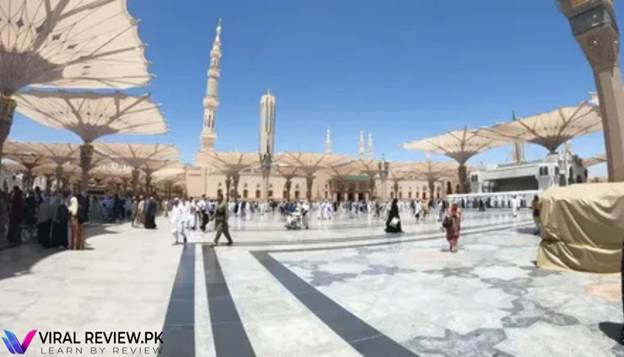
This is the center of gravity for the entire trip, and almost every itinerary in this Madinah Travel Guide orbits around it. Originally built as a modest structure with palm-trunk pillars and a courtyard, it has expanded over the centuries into one of the largest mosques on Earth, capable of holding over a million worshippers during peak seasons. Beneath its green dome lies the Prophet’s tomb, alongside those of his companions Abu Bakr and Umar — a detail that turns a routine prayer visit into something far more layered for most pilgrims.
Inside the mosque sits Riyadh al-Jannah, a relatively small carpeted section between what was once the Prophet’s house and his pulpit (mimbar), described in hadith as a “garden from the gardens of Paradise.” Because of its size relative to the number of people wanting to pray there, entry is often managed through a timed booking system, particularly during Ramadan or busier months — something worth checking before you arrive so you’re not caught off guard by the queue.
Quba Mosque
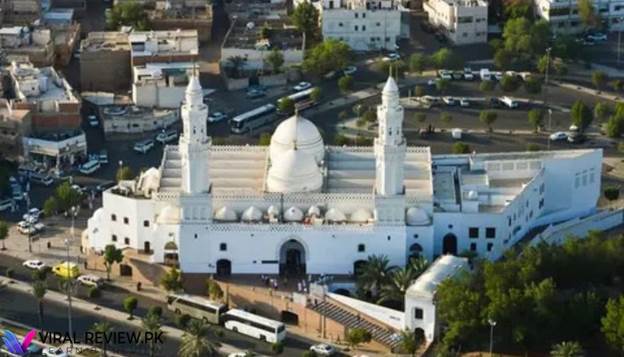
Quba holds a specific kind of significance: it’s the first mosque ever built in Islamic history, established in the earliest days after the Prophet’s migration from Makkah before he had even finished the journey into the city itself. It sits a short taxi or bus ride from the Central Zone, in a quieter part of Madinah Travel Guide that feels noticeably less crowded than the area around the main Haram.
What draws most visitors here isn’t just the historical first, but a specific piece of tradition: praying two rak’ahs at Quba Mosque is described as carrying the same spiritual reward as performing an Umrah. That’s a strong enough incentive that many pilgrims build a dedicated half-day around the visit, rather than squeezing it in as an afterthought. The mosque itself has been rebuilt and expanded over the years — its current form is modern and spacious, with white domes and clean courtyards — but the significance attached to the ground beneath it hasn’t changed.
Masjid al-Qiblatain (The Mosque of the Two Directions)
This mosque marks a genuinely unusual moment in Islamic history: a prayer that changed direction halfway through. Muslims initially prayed facing Jerusalem, and it was during a prayer at this exact location that instruction came to redirect the qibla toward Makkah instead. The mosque still preserves two mihrabs — prayer niches — as a physical record of that shift, one facing the old direction and one facing the new.
It’s a smaller, quieter site compared to Masjid an-Nabawi or Quba, which makes it an easy add-on to a day that already includes Quba Mosque, since the two aren’t far apart. Visitors tend to spend less time here than at the larger sites, but the story attached to it — a single prayer interrupted by revelation and completed facing an entirely different direction — tends to stick with people longer than the visit itself does.
Mount Uhud
Uhud sits at the northern edge of the city and carries a heavier, more somber tone than most other stops on this list. It was the site of the Battle of Uhud, a difficult and costly confrontation early in Islamic history, and it’s now home to the graves of the martyrs who died there, including Hamza ibn Abd al-Muttalib, the Prophet’s uncle.
Unlike Quba or Qiblatain, there isn’t really a mosque to walk through here — it’s an open site, with the mountain itself rising behind a walled cemetery area. Most visitors describe it less as sightseeing and more as a place to stand still for a while. It’s worth planning the visit for early morning or the cooler part of the late afternoon, both because the sun is unforgiving in the open terrain and because the quieter light suits the tone of the place better than the middle of a hot afternoon does.
Al-Baqi Cemetery
Sitting immediately beside Masjid an-Nabawi, Al-Baqi is easy to overlook simply because of how close it is to the mosque’s constant activity — but it holds the graves of a remarkable number of the Prophet’s companions and family members, making it one of the most significant burial grounds in Islamic history. Access is more limited than at the other sites on this list; entry for visitors, particularly for extended time inside, is often restricted, and it’s worth checking current visiting hours before planning around it.
Masjid al-Sab’ah (The Seven Mosques)
This is technically a cluster of smaller historical mosques rather than a single site, marking the location of the Battle of the Trench (Khandaq) — the defensive conflict in which a trench was dug around Madinah Tourism to hold off a much larger opposing force. The mosques themselves are modest compared to Masjid an-Nabawi or Quba, and most visitors treat this as a single combined stop rather than working through each one individually.
It’s often paired with a Mount Uhud visit, since both sites relate to major battles from the same period and sit reasonably close to each other geographically, making it easy to cover both without adding much extra travel time to the day.
Where Madinah Fits in Islamic Heritage
Madinah’s place in Islamic Heritage comes from what happened here first: the Hijrah, the founding of the first Muslim community, and the early framework of Islamic society. That’s a different kind of visit than Makkah’s — there’s no fixed ritual sequence to follow, just prayer, reflection, and moving between sites tied to that early history. One practical upside of this: Visiting Madinah Attractions can be visited any time of year, with none of the ritual timing restrictions that shape a Hajj or Umrah trip to Makkah.
When to Go in Madinah Saudia Arabia
Late fall through winter (roughly November to February) is the most forgiving stretch weather-wise, and it’s when most people find walking between sites genuinely comfortable rather than draining. Ramadan brings a different kind of trip entirely — packed nights, a charged atmosphere around Taraweeh, and noticeably longer lines everywhere. If a quieter, more spread-out visit matters more to you than the Ramadan atmosphere, the off-peak months deliver a calmer version of Madinah Tourism, with shorter waits at the mosque and easier hotel availability.
Why People Choose Madinah Tourism
The spiritual pull is obvious, but there are practical reasons this city has become a growing draw for Religious Tourism beyond just pilgrimage season. It’s under three hours from Makkah by high-speed rail, the airport handles direct international routes, and the pace of the city itself is noticeably slower than Makkah’s — which makes it a more comfortable choice for families, older travelers, or anyone who’d rather not rush between sites.
Things to Do in Madinah
People often assume a Madinah trip is just prayer and hotel time, but there’s more shape to it than that. Some of the better Things to Do in Madina
- Catch Fajr at the Prophet’s Mosque — it’s the quietest, least crowded prayer of the day
- Head to Quba Mosque and pray two rak’ahs there
- Spend an unhurried hour at Mount Uhud, near the martyrs’ graves
- Walk through Masjid al-Qiblatain and see both mihrabs
- Browse the date markets near the Haram — Madinah’s Ajwa dates have a real reputation
- Stop by the As-Sirah An-Nabawiyah exhibition for a closer look at early Islamic Heritage
- Take a slow evening walk through the Central Market once the heat breaks
Practical Tips That Actually Matter
- Pack light, breathable fabric — the heat is more relentless than most expect
- Bring shoes that slip on and off easily; you’ll be doing it constantly
- Carry a compact prayer mat and a Quran, physical or on your phone
- Drink more water than feels necessary — cool water stations are set up throughout the mosque courtyards
- Save Quba Mosque and Mount Uhud visits for early morning or late afternoon
- Keep a backup copy, printed or digital, of your visa and ID at all times
Visa Requirements – Madinah Travel Guide
Most travelers come in on either a tourist eVisa or an Umrah-specific visa, both of which now allow entry to Madinah as part of the same trip. The eVisa system handles online applications for eligible nationalities directly, while Umrah travelers typically go through a licensed agent or the Nusuk platform. Rules here shift periodically, so check the current requirements before locking in flights.
Culture and Etiquette
The tone here is set by modesty and quiet respect. Conservative dress is expected from everyone, with women covering hair and shoulders near the mosque. Loud conversation, photographing worshippers, and public affection all draw disapproval. The five daily prayers set the actual rhythm of the city — most shops pause briefly at each one, so plan errands with that in mind rather than around it.
Where to Stay: Madinah Hotels
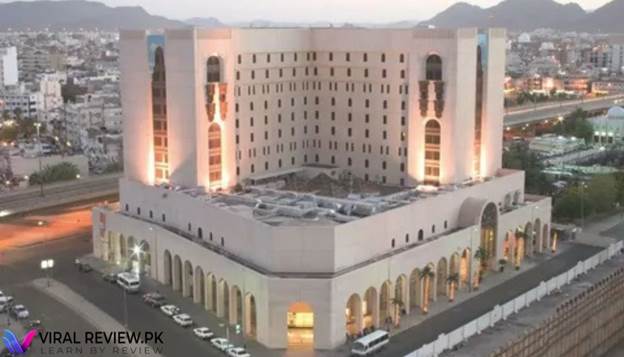
Madinah Hotels cluster into a few distinct zones based on distance from the mosque:
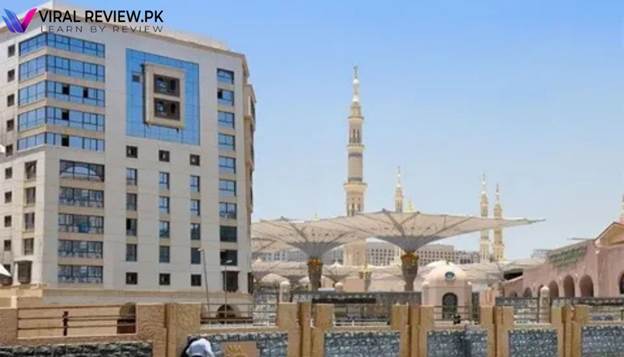
- Central Zone — the closest ring, with luxury and mid-range towers offering direct mosque views; you pay for the convenience
- Second Ring — still a short walk away, with noticeably better rates for a small increase in walking time
- Outer districts — the budget tier, reached by shuttle or taxi, popular with travelers staying longer
Book the Central Zone early if you can — during Ramadan or the months around Hajj, those rooms disappear fast.
Eating Near the Haram
The streets around Masjid an-Nabawi are packed with food options, from traditional Mandi and Kabsa to international halal chains. The date markets are worth a stop on their own — Madinah’s Ajwa dates are widely regarded as some of the best available, and they travel well as gifts. Hotel food courts fill in the gaps between prayer times when you don’t want to wander far.
Staying Safe
Madinah is broadly considered a low-risk destination, including for solo and family travelers. As this Madinah Travel Guide recommends, the main thing to watch for is crowd density around Al-Masjid an-Nabawi during prayer times—especially if you’re traveling with children or older relatives. Lost-and-found points are available at the major mosque entrances, and security presence remains steady throughout the complex.
Weather to Expect
Summers in Madinah run extremely hot—temperatures well above 40°C (104°F) are not unusual. As this Madinah Travel Guide suggests, winter is a much more comfortable season for walking between major sites, making visits to places like Quba Mosque and Mount Uhud far more pleasant. In any season, early morning and late evening are still the best times for outdoor sightseeing.
Traveling With Family or Elderly Relatives
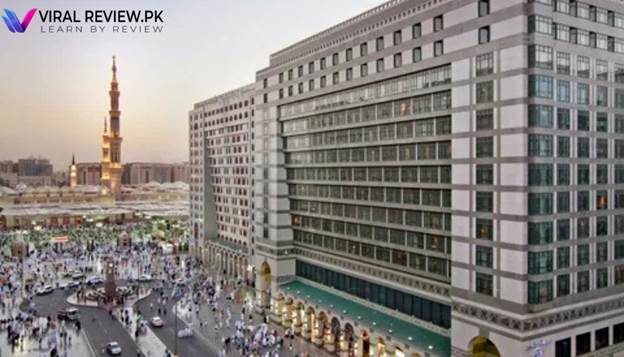
Masjid an-Nabawi has real accessibility infrastructure — wheelchairs, elevators, and dedicated entrances for older or disabled visitors. Family-friendly hotels sit mostly in the Central Zone, and early morning visits are worth prioritizing for elderly travelers, since that’s when both the heat and the crowds are at their lowest.
Key Travel Tips, Condensed
- Lock in Central Zone hotels early if you’re going during Ramadan
- Hit Quba Mosque in the early morning, before the heat and crowds build
- Carry water and sun protection at all times
- Stick to designated prayer areas and skip photographing worshippers
- Keep some cash on hand for smaller vendors
- Double-check visa requirements well ahead of departure
What a Trip Actually Costs
- Budget: hotels outside the Central Zone, local transport, simple meals
- Mid-range: walkable-to-the-Haram hotels, a mix of taxis and walking, wider food options
- Luxury: mosque-view towers, private transport, upscale dining throughout
Prices swing hard by season — Ramadan and the months surrounding Hajj push costs noticeably higher across the board.
A Simple 3-Day Itinerary
Day 1: Arrive, settle in, catch Fajr and Maghrib at Masjid an-Nabawi, evening walk through the Central Market
Day 2: Morning trip to Quba Mosque, rest through the afternoon heat, visit Masjid al-Qiblatain, evening prayers
Day 3: Mount Uhud and Al-Baqi Cemetery in the morning, date markets after, final prayers before heading out
What to Pack for Madinah Travel Guide
- Light, breathable clothing
- Slip-on shoes for repeated mosque visits
- A compact prayer mat
- A reusable water bottle
- Sunscreen and a hat
- Portable charger and the right adapter
- Copies of your travel documents and visa
Mistakes First-Timers Keep Making
- Booking Central Zone hotels too late during peak season and getting priced out
- Underestimating just how brutal midday heat is at Quba Mosque or Mount Uhud
- Overpacking for a trip that’s mostly short, walkable distances
- Rushing Riyadh al-Jannah instead of planning around its busiest windows. This Madinah Travel Guide is built to handle the logistics so you can focus on the visit itself.
Emergency Numbers and Pilgrim Support
- Police: 999
- Ambulance: 997
- Civil Defense: 998
- Pilgrim assistance centers sit near the major mosque entrances and can help with lost documents, medical issues, or translation.
Photography Rules to Know
Photographing worshippers, especially mid-prayer, is discouraged and restricted in some sections. General shots of the architecture are usually fine in the outer courtyards, but skip flash photography near prayer areas and stay aware of the people around you.
Visiting During Ramadan
Ramadan turns Madinah into something else entirely — nightly Taraweeh prayers pull enormous crowds into Masjid an-Nabawi, hotels fill up months out, and the streets around Iftar and Suhoor take on a genuinely different energy. If you’re set on this window, book accommodations as early as possible. Use this Madinah Travel Guide as a reference before you book flights, hotels, or transport.
Notes for Women Traveling to Madinah
Mahram requirements have loosened considerably for many nationalities in recent years, but rules still vary, so confirm the current policy before booking. Modest dress is expected citywide, and clearly marked women’s prayer areas are set aside inside Masjid an-Nabawi. Whether it’s your first trip or your fifth, this Madinah Travel Guide covers everything from visas to hotel zones.
Planning a road trip across the Kingdom? These approximate driving distances from Madinah to other major destinations can help you estimate travel times and organize a smoother itinerary. If you’re exploring multiple regions, this information complements your Saudi Travel Guide and makes planning your journey much easier.
Distances from Madinah to Other Major Cities
- Madinah → Makkah: Approximately 440 km
- Madinah → Jeddah: Approximately 420 km
- Madinah → AlUla: Approximately 330 km
- Madinah → Tabuk: Approximately 680 km
- Madinah → Riyadh: Approximately 840 km
- Madinah → Hail: Approximately 430 km
FAQs – Madinah Travel Guide
Do I need a special visa to visit Madinah?
Most people use a tourist eVisa or an Umrah visa — check current requirements before booking, since rules shift.
How many days should I spend in Madinah?
Three to five days is typical; longer stays give you more breathing room.
Is Madinah safe for solo travelers?
Yes, generally — security is visible throughout the mosque complex.
Can I visit Madinah without going to Makkah?
Yes, plenty of trips are Madinah-only, though many people combine both.
What exactly is Riyadh al-Jannah?
A small, specifically blessed section inside the Prophet’s Mosque — often requiring timed entry given how much demand it gets.
Can I walk to Quba Mosque from the Haram?
No, it needs a short taxi or bus ride from the city center.
What should women wear in Madinah?
Modest coverage of hair, shoulders, and arms, particularly near the mosque.
Is English commonly spoken?
Yes, especially in hotels, at the airport, and anywhere international pilgrims tend to gather.
Final Thoughts – Madinah Travel Guide
Madinah doesn’t demand much from a visitor beyond showing up with some patience and an open mind. Whether it’s your first look at the green dome or your fifth, the city tends to meet people where they are rather than the other way around. Everything in this Madinah Travel Guide exists to clear the practical clutter out of the way, so once you’re actually there, nothing’s competing with that experience for your attention.
Most travelers say the same thing once they’re home: the details they worried over most beforehand — the hotel booking, the visa steps, the transport between sites — barely registered once they were standing inside the mosque. No Madinah Travel Guide is complete without a clear walk-through of the city’s sacred sites. What stays with people instead are the quieter moments: a slow walk through Al-Baqi, the light shifting across Riyadh al-Jannah, the sound of Fajr settling over the courtyard before the city fully wakes up. If this guide has done its job, those are the moments you’ll have room for. Everything else was just the groundwork.
Quote of Inspiration
Some journeys end when you arrive. Others only start there.