

Any honest NEOM Travel Guide has to start with a simple distinction: NEOM is a vision under construction, while Tabuk Province around it is a real, visitable region with mountains, canyons, coastline, and ancient trade routes that travelers can explore right now. Tucked into the northwest corner of Saudi Arabia along the Gulf of Aqaba, this area has become one of the most talked-about corners of the Kingdom, not only for the futuristic renders of NEOM’s flagship linear city but for landscapes that have drawn travelers long before any of these projects were announced. A genuinely useful NEOM Travel Guide has to hold both of those truths at once.
This NEOM Travel Guide is written to separate hype from reality. Several of NEOM’s headline components — its planned linear city, mountain resort, and island resort — remain partially built or closed to the public as of 2026, and this guide gives you an accurate picture of what’s actually open, what’s still years away, and what you can genuinely do if you’re planning a trip to Tabuk today. Think of it as both a Tabuk Travel Guide for the present and a preview of what NEOM may eventually offer.
Quick Facts about NEOM Tabuk
| Quick Facts | Details |
|---|---|
| Location | Tabuk Province, Northwestern Saudi Arabia |
| Main Gateway | Prince Sultan bin Abdulaziz International Airport (Tabuk Airport – TUU) |
| Nearest NEOM Airport | NEOM Bay Airport (NUM) |
| Best Time to Visit | October to April |
| Recommended Stay | 3–4 Days |
| Famous For | NEOM Megaproject, The Line, Sindalah, Trojena, Red Sea Coast & Wadi Disah |
| Top Attractions | Wadi Disah, Tabuk Castle, The Line (viewpoint), Red Sea Coast, Duba, Sharma, Hijaz Railway Station |
| Currency | Saudi Riyal (SAR) |
| Language | Arabic (English is widely spoken in hotels and tourist areas) |
| Time Zone | Arabia Standard Time (AST, UTC+3) |
| Average Winter Temperature | 12–24°C (54–75°F) |
| Average Summer Temperature | 28–42°C (82–108°F) (Cooler in the Trojena mountain area) |
| Best For | Nature Lovers, History Enthusiasts, Road Trippers, Adventure Travelers & Future-City Explorers |
Picture standing on a ridge above the Gulf of Aqaba’s turquoise water, with red sandstone mountains behind you and construction cranes glinting on the horizon far below — that contrast between ancient desert and future city is exactly what a well-rounded NEOM Travel Guide should help you make sense of before you land.

Famous Places to Know in NEOM and Tabuk
The Line
This linear city is NEOM‘s best-known and most controversial component: a planned linear city originally envisioned to house up to 9 million residents, though more recent reports suggest a phased development with a much smaller initial population. As of 2026, that original vision has changed considerably. As of 2026, construction continues in phases, although the project has been significantly scaled back from its original vision, and completion timelines remain uncertain.
For travelers, this means the project currently offers nothing to visit in person, and any NEOM Travel Guide claiming otherwise isn’t being accurate. What’s worth knowing instead is the broader story: officials have described the pause as a phased, strategic recalibration rather than a cancellation, and the scaled-back initial phase is now discussed in terms of a few kilometers rather than the full linear city. Anyone genuinely curious about the project is better served following official NEOM announcements than expecting a completed structure on a visit today.
Did You Know? The Line was originally designed to stretch 170 kilometers through the desert without a single road — a footprint so long it could have run from one end of a small country to the other, entirely under one roof.
Trojena
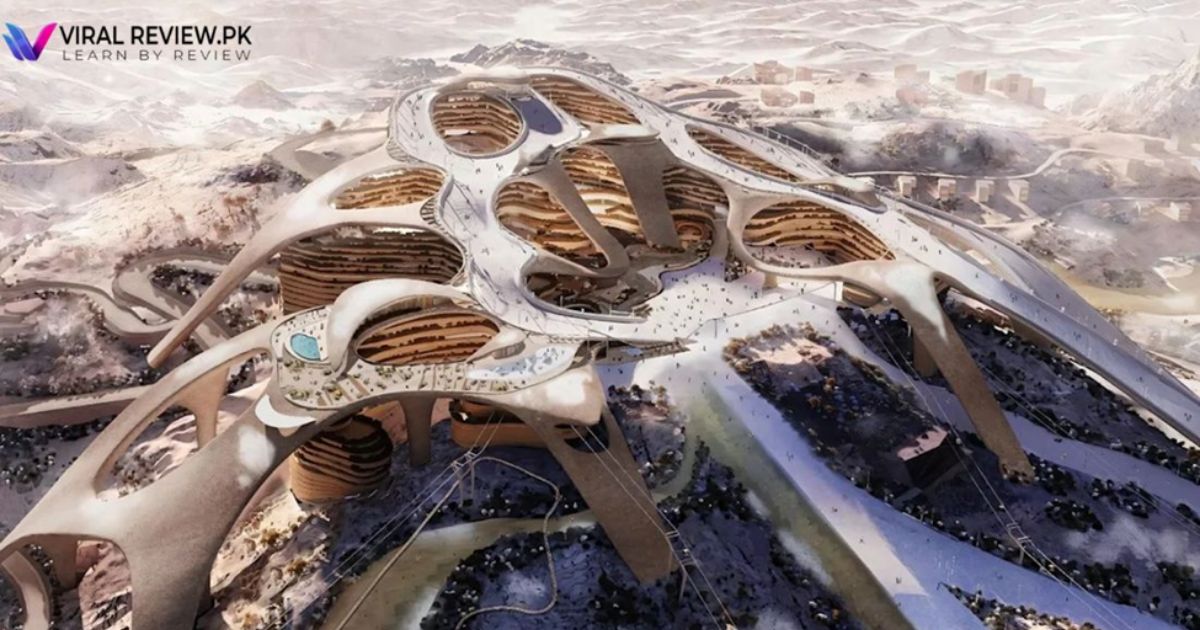
This mountain resort was designed as a year-round destination in the Tabuk highlands, arranged around an artificial lake with skiing on manufactured snow, luxury hotels, and outdoor adventure activities at elevations above 1,500 meters. Saudi Arabia had secured hosting rights for the 2029 Asian Winter Games here, a milestone meant to put the resort on the global sporting map well before its planned public opening. Construction timelines have shifted, and the resort is expected to open later than originally planned.
Sindalah
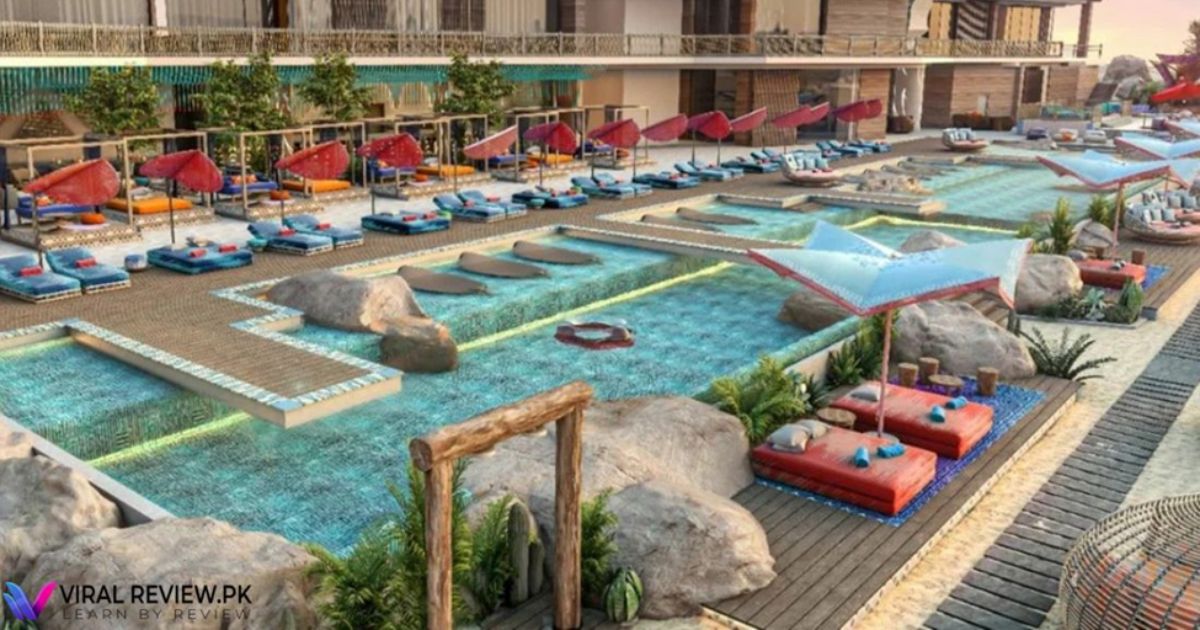
Sindalah is one of the major sub-projects of NEOM, this island resort is the one closest to actually welcoming visitors. This small luxury island in the Red Sea, built around a superyacht marina, beach clubs, and boutique hotels, held a lavish preview event for investors and VIPs in October 2024. Despite that early showcase, the island has remained closed to general tourists through much of 2026, running years behind its original opening target and reportedly well over its initial budget.
reports suggest the island could welcome visitors in phases, although no fully confirmed public opening date has been announced. Travelers planning a trip around this NEOM Travel Guide should treat that date as provisional rather than confirmed, and check the latest official updates before assuming the island is accessible. Once open, its combination of marina life, diving access, and Red Sea views is expected to be the most immediately tangible NEOM experience available to the public.
3,000 years vs. 3 years — Tabuk’s ancient Hijaz Railway has stood for three millennia of regional trade, while NEOM’s island resort took roughly three years to become one of the most talked-about stretches of coastline in the Gulf.
The Red Sea Coastline Near NEOM
Long before any megaproject arrived, the coastline along the Red Sea Saudi Arabia stretch near Tabuk was known for exceptional diving and pristine beaches, with coral reefs, shipwrecks, and clear turquoise water along the Gulf of Aqaba. Towns like Duba and Sharma serve as access points to this coastline, and several boutique dive operators run trips out to reef systems that remain far less crowded than better-known Red Sea destinations further south.
This coastline is arguably the most reliably “open for business” part of the wider NEOM zone, since much of it doesn’t depend on the mega-project’s construction timeline at all. Snorkeling, diving, and simple beach time here offer some of the best value in the region, and travelers who want genuine Red Sea access without waiting on the island resort’s opening date can already arrange trips through local operators based in Duba and along the coast. This alone makes the coastline one of the most reliable Things to Do in Tabuk for visitors planning a trip in 2026.
Wadi Disah
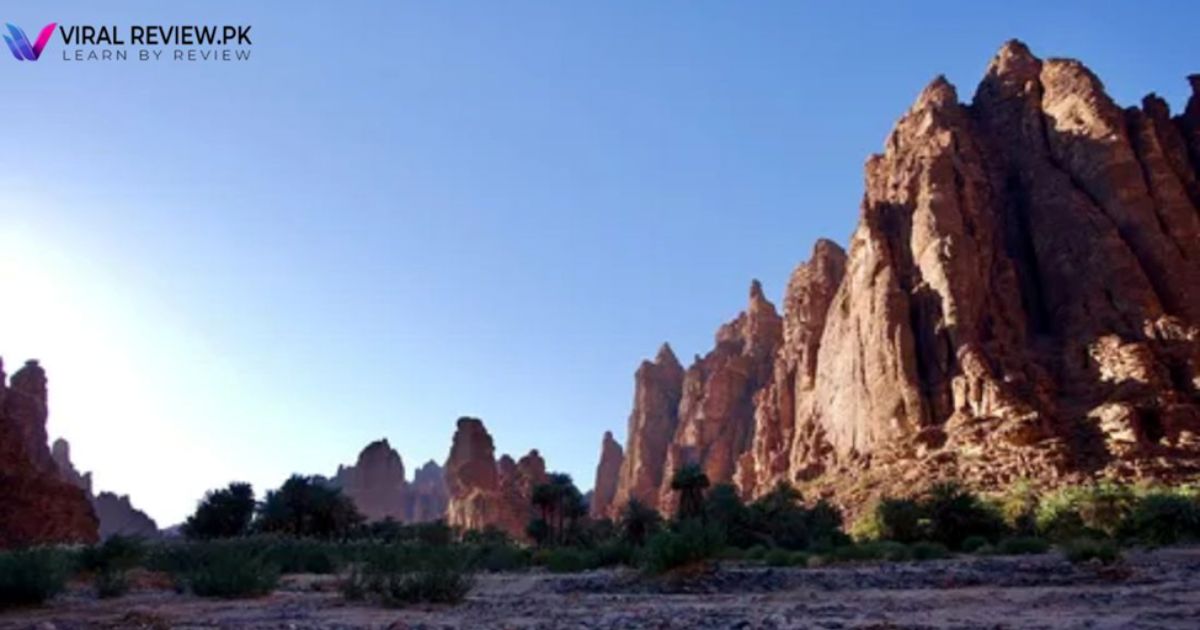
Often called Saudi Arabia‘s answer to a desert canyon, Wadi Disah is a lush, palm-filled gorge cut into red sandstone cliffs, roughly a two-hour drive from Tabuk city. Unlike NEOM’s still-developing components, this is a fully accessible natural attraction today, with hiking trails, seasonal streams, and dramatic rock formations that make it one of the most photographed spots in the province.
Local guides run half-day and full-day trips into the wadi, and camping under the canyon walls has become a popular weekend activity for both Saudi and international visitors. The combination of greenery against red rock is unusual for the region and makes Wadi Disah a strong counterpoint to the futuristic imagery associated with NEOM — proof that this corner of the Kingdom has been worth visiting long before any of the newer developments began, and a reminder that any complete NEOM Travel Guide needs to look past the construction sites.
Insider tip: locals say the best light for photos at Wadi Disah hits the canyon walls around 4 p.m. — about an hour before the tour groups start clearing out.
Heritage and Historical Sites in Tabuk
No NEOM Travel Guide would be complete without a look backward. Tabuk’s history stretches back more than 3,000 years, and its heritage sites are as compelling as its natural landscapes. Tabuk Castle, a restored Ottoman-era fort in the city center, once served as a key stop on the historic Hajj pilgrimage route between Damascus and the Hejaz, and its museum now displays artifacts from that era.
Nearby, the old Hijaz Railway Station preserves remnants of the early-20th-century line that once connected Damascus to the Hejaz, complete with retired steam locomotives and station buildings that speak to the region’s role in regional trade and pilgrimage. Further north, the archaeological site of Al-Bad’, historically linked to ancient Madyan, adds another layer for travelers interested in the deeper history beneath NEOM’s futuristic branding.
Most travelers picture mirrored skyscrapers when they hear the word NEOM. What they actually find, at least for now, is fossil-lined canyons, Ottoman forts, and some of the emptiest beaches left in the Kingdom.
Getting There: Airports Serving NEOM and Tabuk
Tabuk Regional Airport (Prince Sultan bin Abdulaziz International Airport) handles domestic and a growing number of international routes, connecting to Riyadh and other major hubs with reasonable frequency, and serves as the main gateway for most travelers heading into the province. NEOM Bay Airport, closer to the coastal development zone, primarily serves NEOM-related business travel and select routes, though its role is expected to expand as the island resort moves toward opening. For most independent travelers in 2026, flying into Tabuk city and arranging onward transport to the coast or Wadi Disah remains the most practical route covered in this NEOM Travel Guide.
Advice for Visitors Planning a Trip
Because so much of the wider NEOM zone is still under construction, the single best piece of advice in this NEOM Travel Guide is to verify current access before building an itinerary around any specific sub-project. Official NEOM channels and recent news coverage are more reliable than older promotional material, since renders and press releases from a few years ago no longer reflect what’s actually on the ground. For Tabuk Tourism more broadly, the most rewarding trips currently combine the city’s heritage sites, a day or two in Wadi Disah, and time on the Red Sea coastline rather than relying on NEOM’s still-developing attractions.
Weather is comfortable for much of the year, though summer heat in the lower desert areas can be intense, making spring and autumn the more pleasant windows for hiking and outdoor exploration. A rental car or private driver is genuinely useful here, since distances between the city, the coast, and inland canyons are significant and public transport options are limited. Modest dress is expected throughout the province, and travelers heading into remote wadis or coastal areas should carry extra water, sun protection, and a fully charged phone, since mobile coverage can be inconsistent outside the main towns. Even as a Future City Saudi Arabia initiative reshapes the coastline over the coming decade, these basic travel fundamentals will stay the same.
Getting Around: Local Transportation in Tabuk and NEOM
Tabuk city itself is compact enough to navigate by taxi or ride-hailing app, but reaching the wider attractions covered in this NEOM Travel Guide — the coastline, Wadi Disah, or the NEOM construction zone — requires a car. Ride-hailing coverage thins out fast once you leave the city limits, so most independent travelers either rent a vehicle or arrange a private driver for day trips, with hotels typically able to organize the latter on short notice.
Roads toward the coast and into the canyons are generally well-paved but long, and fuel stops become sparser the further you travel from Tabuk city. Self-driving is straightforward for confident drivers, though GPS signal can lag in the deeper wadis, and it’s worth downloading offline maps before setting out. For anyone without a rental, day-tour operators based in Tabuk bundle transport, a guide, and entry logistics into a single booking, which is often the simplest way to see Wadi Disah or the coastline in one trip.
Local Food and What to Try in Tabuk
Tabuk’s cuisine draws on both Hejazi and Bedouin traditions, reflecting its history as a stop along old pilgrimage and trade routes. Look for Mandi and Madfoon, slow-cooked lamb or chicken dishes served over spiced rice, along with fresh flatbreads and dates sourced from local farms. Restaurants in the city center tend to mix traditional Saudi menus with more international options, making them convenient after a day of sightseeing.
Along the coast near Duba and Sharma, fresh seafood becomes the highlight, with grilled fish and prawns pulled straight from the Red Sea Saudi Arabia coastline showing up on nearly every menu. Smaller, family-run restaurants in Tabuk’s older neighborhoods generally offer the most authentic, budget-friendly meals, while hotel restaurants near the city center and coast cater more to travelers wanting familiar international dishes alongside the local fare.
Currency, Payments, and Budgeting Tips
The Saudi Riyal is the only accepted currency in Tabuk and along the coast, and while card payments work in most hotels and larger restaurants, cash remains useful for smaller shops, local eateries, and drivers, especially outside the city center. ATMs are common in Tabuk but become sparse near Wadi Disah and along the more remote coastal stretches, so it’s worth withdrawing cash before heading out for the day.
Overall costs in Tabuk Province tend to run lower than in Riyadh or Jeddah, making it a relatively affordable base for exploring the region’s natural attractions. Guided day trips, car rentals, and mid-range hotels can be managed comfortably on a modest budget, while private drivers and coastal resort stays will push costs higher. Booking accommodation ahead of peak spring and autumn travel windows helps avoid last-minute price spikes, particularly as interest in the wider NEOM area continues to grow.
Best Photography Spots and Viewpoints
Tabuk rewards photographers with a striking mix of desert, canyon, and coastline within a single trip. Wadi Disah remains the standout for landscape photography, with its palm-lined gorge and red sandstone walls offering dramatic light in the late afternoon. Tabuk Castle and the old Hijaz Railway Station provide strong architectural subjects in the city, particularly around golden hour when the stone façades pick up warm tones.
Cultural Etiquette and Dress Code for Visitors
Modest dress is expected throughout Tabuk Province, particularly at heritage sites like Tabuk Castle and in more traditional neighborhoods away from international hotels. Both men and women should avoid overly revealing clothing, and light, breathable layers work well given the temperature swings between the coast, the city, and higher-altitude areas near the mountain resort zone. Respecting prayer times, when some shops and services may briefly pause, is a simple courtesy that helps a trip run smoothly.
Always ask before photographing local residents, and keep a respectful distance from any active NEOM construction areas, which are generally off-limits to the public regardless of how visible they are from the road. Locals throughout the province tend to be welcoming and curious about visitors drawn by NEOM’s headlines, and a friendly, patient attitude goes a long way toward a smoother, more rewarding trip.
Sim card and Emergency numbers
For visitors, staying connected and prepared matters as much as sightseeing. Pick up an STC SIM if you’re heading toward Wadi Disah or the NEOM zone for the strongest remote coverage, Mobily if you’re staying mainly in Tabuk city, or Zain for a balance of both — all three have counters near the airport and eSIM options for pre-arrival setup. Save Saudi Arabia’s emergency numbers before you go: 997 for ambulance, 998 for civil defense and fire, and 999 for police. Coverage and response times both thin out once you leave the city, so having a working SIM and these numbers ready is one small step that makes exploring the coast and canyons far less stressful.
Planning a road trip across the Kingdom? These approximate driving distances from Tabuk to other major destinations can help you estimate travel times and organize a smoother itinerary. If you’re exploring multiple regions, this information complements your Saudi Travel Guide and makes planning your journey much easier.
Distances from Tabuk / NEOM to Other Major Cities
- Tabuk → NEOM: Approximately 240 km
- Tabuk → AlUla: Approximately 335 km
- Tabuk → Madinah: Approximately 680 km
- Tabuk → Riyadh: Approximately 1,300 km
- Tabuk → Jeddah: Approximately 1,020 km
- Tabuk → Makkah: Approximately 1,030 km
FAQs – NEOM Travel Guide
Can tourists actually visit NEOM’s flagship city project right now?
Large parts of NEOM remain under construction, and the flagship city is not open to tourists.
Is the NEOM island resort open to the public in 2026?
A soft opening is expected later in the year, so check official updates before planning around it.
What happened to the mountain resort’s Asian Winter Games?
The 2029 Games were reassigned to Almaty after construction delays and contract cancellations.
What can I actually do in the NEOM area today?
The Red Sea coastline near Duba and Sharma offers real diving and beach access right now.
Is Tabuk worth visiting even without NEOM’s futuristic sites?
Yes — Tabuk Castle, the Hijaz Railway Station, and Wadi Disah make for a full trip on their own.
What are the best Things to Do in Tabuk for a short trip?
Tabuk Castle, the old railway station, a day at Wadi Disah, and coastal time near Duba if you have it.
Do I need a car to get around Tabuk Province?
Yes — distances are long and public transport is limited, so a rental car or driver is essential.
Is this region part of the broader Future City Saudi Arabia vision?
Yes — NEOM remains a flagship Vision 2030 project, even with significantly revised timelines.
Final Thoughts – NEOM Travel Guide
The gap between NEOM’s original renders and its current reality can feel jarring, but it doesn’t erase what makes this region worth visiting. Tabuk’s ancient castle, its stretch of the historic Hijaz Railway, the palm-lined depths of Wadi Disah, and the clear Red Sea water off Duba were drawing travelers long before NEOM’s flagship city project or its mountain resort existed, and they remain the most dependable reasons to come here in 2026.
Treat NEOM’s futuristic components as exactly what they are right now — a long-term, evolving vision rather than a finished destination — and plan your trip around what’s genuinely accessible today. Used this way, this NEOM Travel Guide should help you build a realistic, rewarding itinerary through one of Saudi Arabia’s most unusual and fast-changing regions, whether your flight connects through Jeddah or you’re extending a longer route from Madinah. Bookmark it, and revisit this NEOM Travel Guide as official NEOM Attractions open one by one over the coming years.
Quote of Inspiration
The desert does not rush to become the future — it simply waits, patient and unchanged, for whatever version of tomorrow finally arrives.