
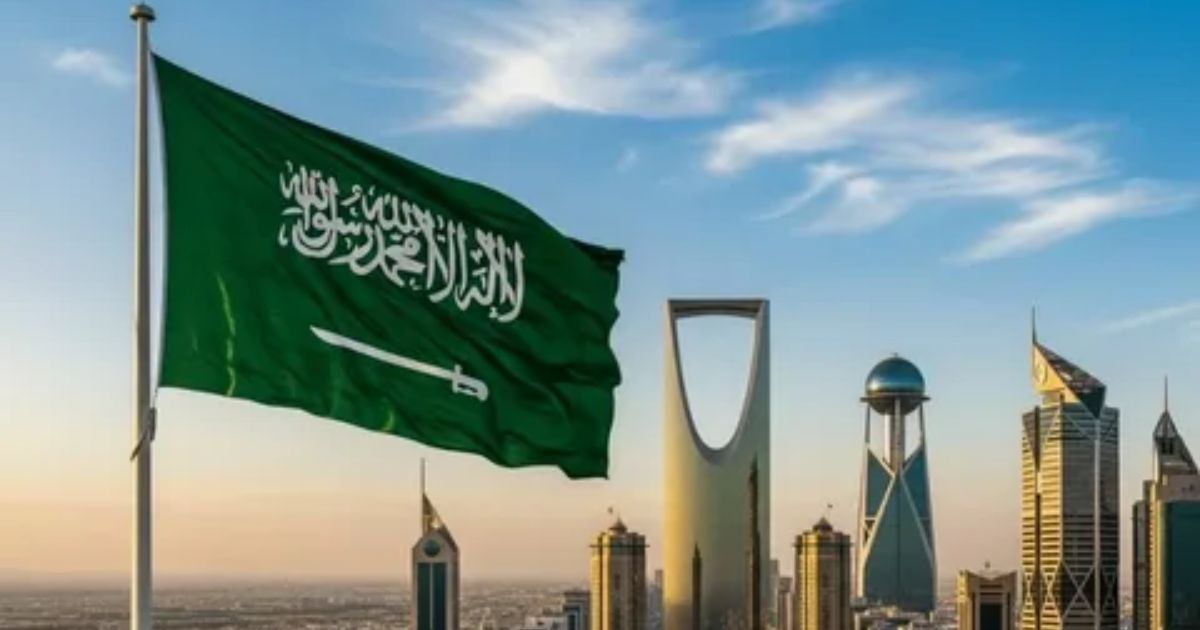
Saudi Arabia was once one of the most closed-off destinations on earth, accessible mainly for religious pilgrimage or business. That has changed faster than almost any other country in the world, and Saudi Arabia Travel Guide exists for one simple reason: millions of travelers are discovering that the Kingdom is no longer just a stopover, it is a full-blown bucket-list destination in its own right.Whether planning a Saudi Arabia Vacation or searching for the Best Places to Visit in Saudi Arabia, this Travel Guide provides essential Saudi Arabia Travel Tips for an unforgettable Saudi Arabia Itinerary. Discover ancient heritages and modern marvels as you explore spectacular Saudi Arabia Tourist Attractions with this essential Saudi Arabia Travel Guide.
Quick Facts About Saudi Arabia
| Quick Facts | Details |
|---|---|
| Official Name | Kingdom of Saudi Arabia (KSA) |
| Location | Arabian Peninsula, Middle East |
| Capital City | Riyadh |
| Population | Approximately 38 million (2025 estimate) |
| Area | Approximately 2.15 million km² (830,000 sq mi) |
| Currency | Saudi Riyal (SAR) |
| Official Language | Arabic (English is widely spoken in major cities and tourist areas) |
| Time Zone | Arabia Standard Time (AST, UTC+3) |
| International Airports | Riyadh (RUH), Jeddah (JED), Madinah (MED), Dammam (DMM), Abha (AHB), AlUla (ULH) |
| Best Time to Visit | October to April |
| Visa | Most travelers can apply online for a Saudi eVisa, depending on nationality. |
| Religion | Islam is the official religion, and visitors should respect local customs and traditions. |
| Driving Side | Right-hand side |
| Country Code | +966 |
| Famous For | Makkah, Madinah, AlUla, Red Sea Coast, Riyadh, Desert Landscapes, UNESCO Heritage Sites & Vision 2030 Tourism |
| Top Destinations | Riyadh, Jeddah, Makkah, Madinah, AlUla, Abha, NEOM, Tabuk, Taif, Dammam & Al Khobar |
| Best For | Religious Tourism, Cultural Heritage, Luxury Travel, Desert Adventures, Family Vacations & Road Trips |
Whether you are chasing ancient rock-cut tombs in the desert, neon-lit skyscrapers in Riyadh, or quiet beaches along the Red Sea, this Saudi Arabia Travel Guide will walk you through everything you need: visas, the best time to visit, money, culture, food, transportation, safety, and a full rundown of the top cities and road trips worth your time. Consider this your single, complete Saudi Arabia Travel Guide for 2026, built to save you hours of scattered research. Securing your Saudi Arabia Visa is now simpler than ever, opening the doors to a booming era of Saudi Arabia Tourism.
Saudi Arabia Travel Guide ensures you do not miss any incredible Things to Do in Saudi Arabia during your journey. As a premier Saudi Arabia Travel Guide, we help you balance traditional customs with rapid modern advancements. Trust this Guide to maximize your journey through a land where ancient history beautifully meets tomorrow’s visionary architecture.

Riyadh
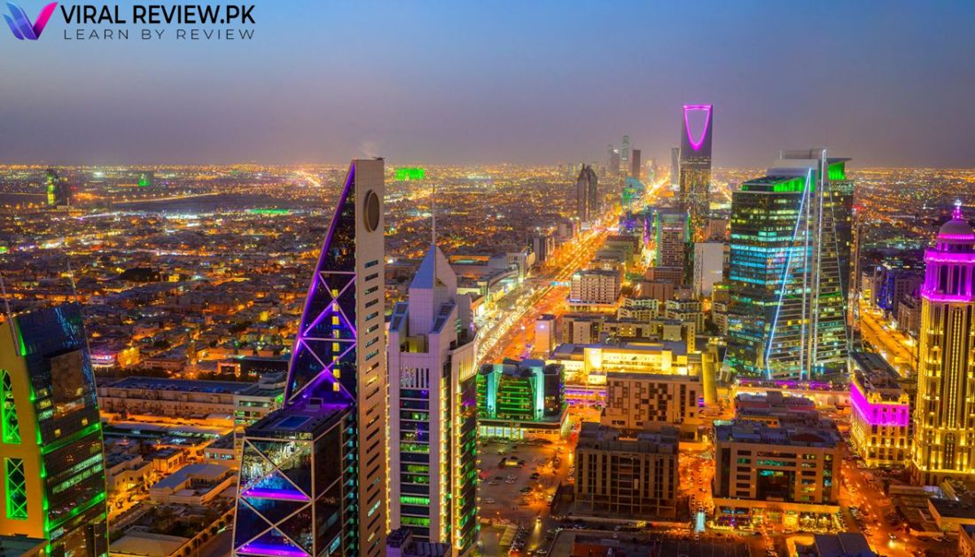
The vibrant capital city serves as the energetic heartbeat of the nation, seamlessly blending historic mud-brick fortresses with shimmering, ultra-modern skyscrapers. Visitors flock here to experience the bustling souks and high-end fine dining that define the contemporary culinary scene. Riyadh is a city where deep historical roots effortlessly anchor rapid global advancements.
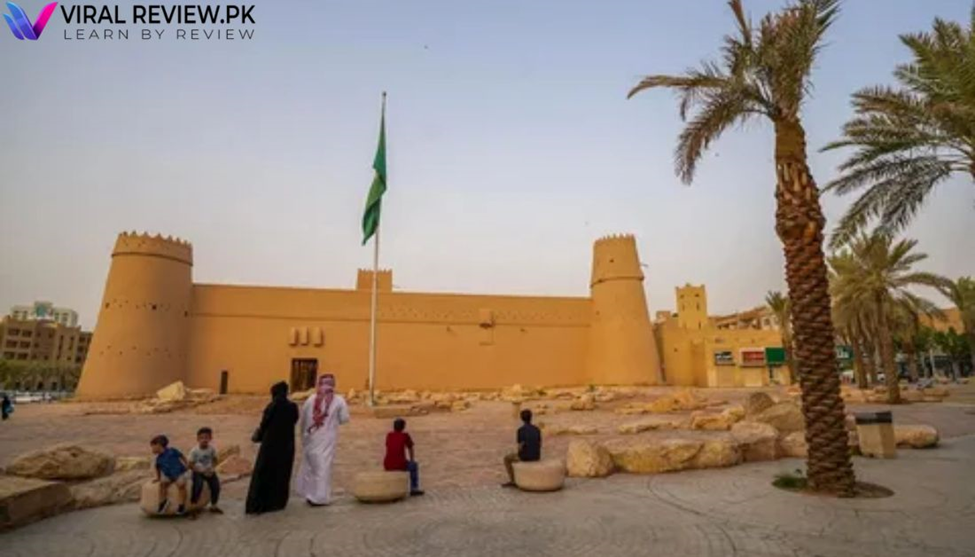
Marvel at the breathtaking views from the Sky Bridge at Kingdom Centre, or wander through the narrow, atmospheric alleys of the historic Al Masmak Fortress. The city also hosts major global events, massive winter entertainment festivals, and cultural exhibitions throughout the sprawling metropolis. It represents the perfect starting point for any comprehensive holiday itinerary.
Jeddah
As the traditional gateway to the holy cities, this vibrant coastal metropolis offers a uniquely relaxed, artistic charm along the Red Sea. The historic global port city is famous for its mesmerizing waterfront corniche, outdoor sculptures, and world-class seafood dining. Its historic architecture features intricate wooden window designs that have survived for centuries.
Spend your afternoons exploring the labyrinth of UNESCO-listed coral-stone buildings in Al-Balad, capturing photos of historic architecture. Afterward, experience modern luxury at the beachfront resorts or dive into the pristine, world-famous Red Sea coral reefs nearby. The sea breeze brings life to a coastal culture that embraces both history and leisure.
Makkah
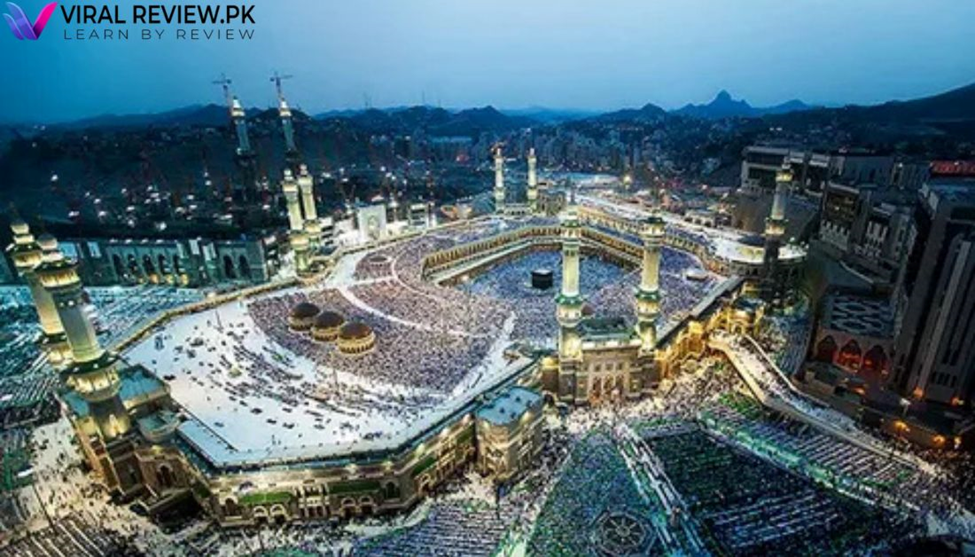
As the holiest city in Islam, this sacred destination welcomes millions of spiritual pilgrims from every corner of the globe each year. The towering infrastructure surrounding the holy site has evolved dramatically, featuring massive luxury hotels and advanced transit networks. It remains a profound center of deep faith, spiritual reflection, and immense architectural scale.
The central focus of any visit here is the stunning Grand Mosque, housing the sacred Kaaba at its historic core. While access to the city limits is strictly reserved for Muslim travelers, the surrounding mountain infrastructure provides breathtaking views. The city operates efficiently around the clock to accommodate the spiritual journeys of global visitors.
Madinah
Known as the second holiest city, this serene destination offers a deeply peaceful, spiritual atmosphere that moves every traveler. The modern city is built beautifully around its central holy site, featuring massive umbrella shades that cool the open courtyards. It provides a unique glimpse into ancient heritage, preserved carefully alongside modern urban expansion projects.
The Prophet’s Mosque stands as a stunning masterpiece of Islamic architecture, attracting faithful visitors throughout the year. Visitors can also explore historic battlefields, ancient mosques, and sprawling date palm orchards located around the city outskirts. The tranquil energy here provides a stark, comforting contrast to busier commercial hubs.
AlUla
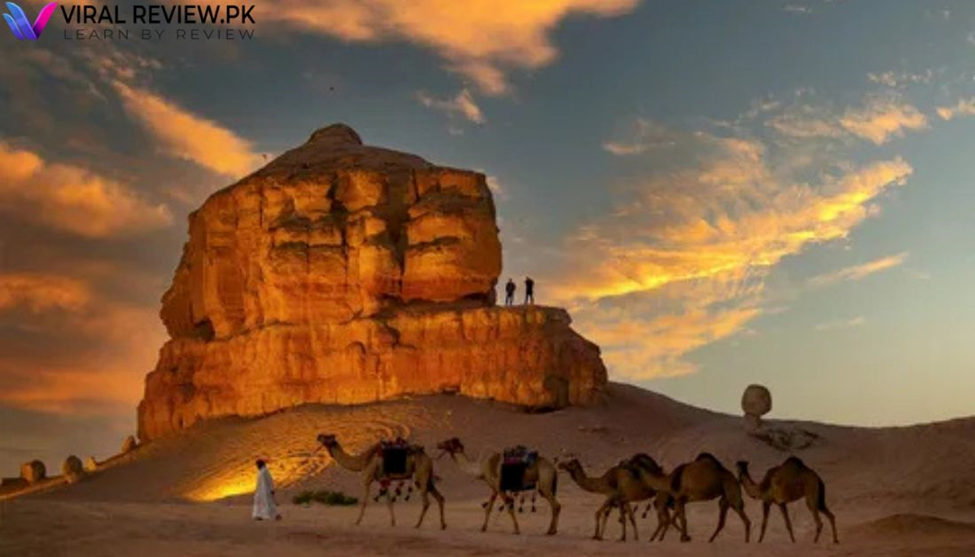
This breathtaking archaeological treasure stands as one of the world’s most spectacular living museums of ancient history. Towering sandstone mountains rise dramatically out of golden sands, hiding thousands of years of well-preserved human civilizations. It has quickly become a premier luxury destination, blending sustainable architecture with historic monument preservation.
Explore Hegra, the remarkable UNESCO World Heritage site featuring dozens of monumental tombs carved directly into massive desert boulders. You can also enjoy luxury desert glamping, view stargazing events, or visit the stunning mirrored concert hall, Maraya. The timeless desert landscapes offer an unparalleled window into the ancient Nabataean kingdom.
Abha
Nestled high within the scenic Asir Mountains, this refreshing highland destination offers a uniquely cool climate and misty peaks. The region is famous for its vibrant heritage, vertically terraced green fields, and unique mud-and-stone gingerbread architecture. It presents a completely different, lush green side of a nation typically associated with arid deserts.
Ride the scenic cable cars over deep mountain valleys or explore the historic, colorful artwork within the Habala Village. The local markets are bursting with wild mountain honey, aromatic herbs, and traditional, brightly colored hand-woven clothing. It is the ultimate escape for nature lovers seeking cooler weather and outdoor adventure.
NEOM
This futuristic mega-project on the Red Sea coast is actively redefining the future of global urban living and sustainability. While major elements like The Line are being meticulously scaled and redesigned to focus on advanced technological hubs. Parts of NEOM, including Sindalah Island, have begun welcoming visitors, while many major developments remain under construction. The province offers a bold glimpse into tomorrow, blending untouched natural ecosystems with revolutionary engineering.
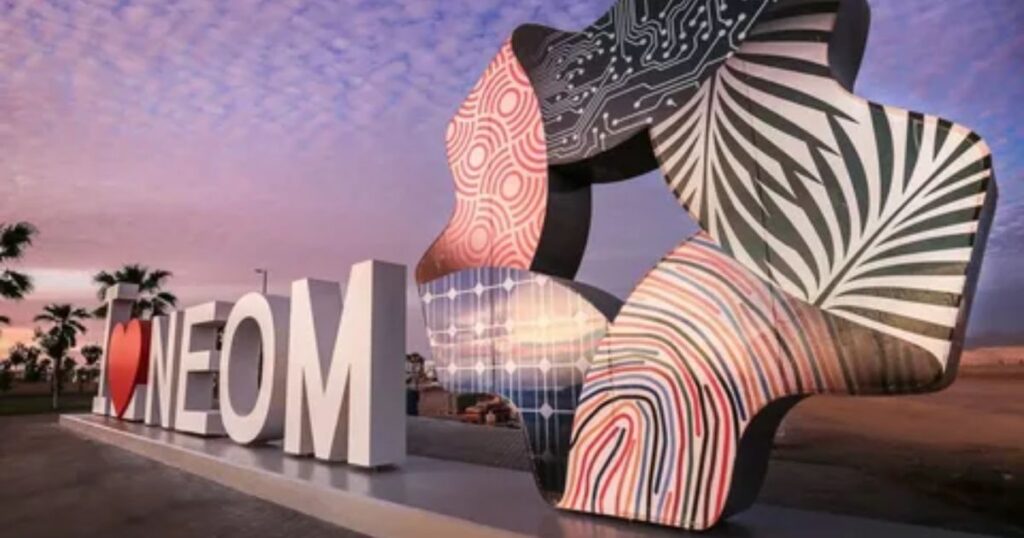
Visit Sindalah, the stunning luxury yachting island resort that blends pristine marine environments with ultra-exclusive hospitality venues. Travelers can experience incredible scuba diving, view pioneering solar-powered infrastructure, and discover the initial phases of this massive regional transformation. It remains a fascinating destination for tech enthusiasts and luxury pioneers alike.
Tabuk
Located in the northwestern corner, this diverse region features vast mountain ranges, ancient archaeological sites, and stunning coastal valleys. It serves as an incredible hub for adventure seekers looking to explore dramatic geological formations and historic ruins. The local culture is deeply tied to both coastal maritime traditions and desert nomadic heritages.
Hike through the majestic, sheer red sandstone walls of the Wadi Al-Disah, a stunning valley filled with flowing freshwater springs. You can also explore ancient military forts, Ottoman railway ruins, and untouched beaches along the pristine Gulf of Aqaba. It is an outdoor playground waiting for those willing to venture off the beaten path.
Dammam
As the capital of the Eastern Province, this major hub anchors a massive, interconnected coastal metro area along the Arabian Gulf. The city boasts beautiful, green waterfront parks, massive sandy beaches, and a booming industrial heritage that shaped the modern economy. It provides a highly comfortable, family-friendly atmosphere with an emphasis on coastal recreation.
Stroll along the popular Murjan Island walkways or enjoy the diverse museums showcasing the region’s incredible transformation over recent decades. The city features massive shopping malls, traditional coastal fish markets, and excellent highways connecting neighboring cities. It offers a relaxed, well-structured environment perfect for modern urban exploration.
Al Khobar
This vibrant Eastern Province city is widely celebrated for its beautiful, lively corniche walkways, upscale boutiques, and trendy cafes. It serves as a major commercial center, connected directly to neighboring Bahrain via a spectacular, sweeping marine causeway. The city exudes an upbeat, modern energy favored heavily by young professionals and international expats alike.
Enjoy world-class dining at the bustling waterfront plazas or relax in the beautifully manicured green public parks. The city also features interactive science museums and excellent beaches perfect for taking part in weekend water sports. It bridges the gap between traditional Gulf hospitality and a fast-paced, modern coastal lifestyle.
Taif
Perched elegantly on the high slopes of the Sarawat Mountains, this historic summer capital is famous for its fragrant roses. Every spring, the entire mountain landscape transforms into a beautifully scented sea of pink blooms harvested for luxury perfumes. The cool mountain air has attracted travelers and royal families for generations seeking refuge from summer heat.
Visit the historic rose processing factories to see how traditional essential oils are meticulously distilled by local craftsmen. You can also explore the historic palaces, ride the lengthy cable car system, or watch camels race down desert tracks. The dramatic mountain roads leading up to the city offer thrilling views at every turn.
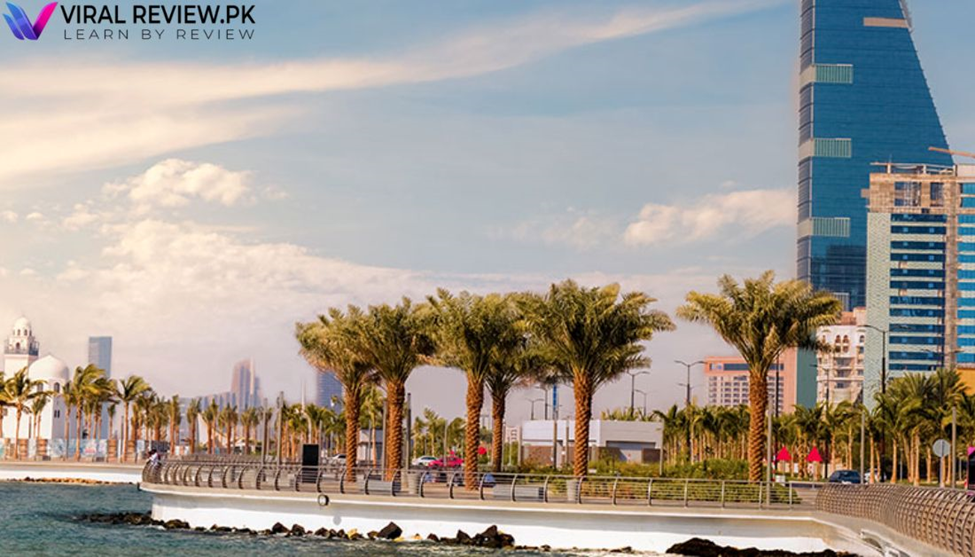
Distances Between Major Cities in Saudi Arabia
Saudi Arabia is a country of remarkable diversity, where every city offers a unique blend of history, culture, and natural beauty. From the holy cities of Makkah and Madinah to the mountains of Abha and the modern skyline of Riyadh, each destination is connected by an extensive road network that makes exploring the Kingdom both convenient and rewarding. Whether you’re planning a road trip or following a Saudi Travel Guide, understanding these distances will help you plan your journey more efficiently.
Makkah to Nearby Cities
- Makkah → Madinah: Approximately 440 km
- Makkah → Jeddah: Approximately 85 km
- Makkah → Taif: Approximately 88 km
- Makkah → Al Baha: Approximately 380 km
Madinah to Other Major Destinations
- Madinah → Tabuk: Approximately 680 km
- Madinah → Hail: Approximately 430 km
Riyadh to Major Cities
- Riyadh → Makkah: Approximately 870 km
- Riyadh → Madinah: Approximately 840 km
- Riyadh → Dammam: Approximately 400 km
- Riyadh → Buraidah: Approximately 330 km
Abha to Nearby Destinations
- Abha → Najran: Approximately 280 km
- Abha → Jazan: Approximately 200 km
- Abha → Taif: Approximately 450 km
Why These Distances Matter
These driving distances are more than numbers—they reflect the vast scale and incredible diversity of Saudi Arabia. As you travel between cities, you’ll experience everything from sacred landmarks and vibrant urban centers to breathtaking mountains, deserts, and coastal landscapes. If you’re using this Saudi Travel Guide to plan your itinerary, knowing the approximate distances will help you estimate travel times, organize stopovers, and enjoy a smoother journey across the Kingdom.
Best Time to Visit as Saudi Arabia Travel Guide
To fully enjoy your Saudi Arabia Vacation, timing your journey with the weather is essential for a comfortable experience, which is why a Saudi Arabia Travel Guide is so useful. The ideal window to explore the diverse landscapes runs from October through April, when temperatures cool down significantly across the country. According to this Guide, daytime temperatures during these pleasant winter months range comfortably between 20°C and 30°C, making outdoor sightseeing highly enjoyable.
In sharp contrast, the summer months from May to September bring extreme desert heat, often soaring well above 45°C in inland regions. However, if you must travel during summer, the high-altitude mountain regions like Abha and Taif remain beautifully cool and refreshing. Planning your itinerary around these seasonal variations ensures you experience the outdoor festivals and desert excursions without enduring extreme heat.
Why to Visit Saudi Arabia
This fascinating destination offers travelers a rare, historic opportunity to witness a country rapidly reinventing its future in real time. It seamlessly bridges ancient Biblical history and Nabataean mysteries with bold, sci-fi architectural projects that challenge human imagination. Choosing a vacation here means stepping away from over-commercialized tourism paths into an authentic world of raw, undiscovered discovery. For those who love exploring ancient Middle Eastern heritage, you might also want to plan a trip to Visit Persepolis to discover monumental Persian ruins.
Furthermore, the legendary, deep-rooted culture of hospitality ensures that every international traveler is welcomed with genuine warmth and immense generosity. From sharing traditional cardamom-infused coffee with locals to exploring untouched coral reefs, the experiences here are deeply moving and profoundly unique. If you wish to extend your regional historical journey further, take the time to Discover Hamedan, one of the oldest continuously inhabited cities in the world. It is a rare chance to see a preserved ancient culture opening its arms widely to the modern world.
Things You Will Find in Saudi Arabia
Visitors using Saudi Arabia Travel Guide will discover a fascinating contrast of old-world traditions existing harmoniously alongside cutting-edge, ultra-modern daily conveniences. Expect to see historic mud-brick forts standing proudly next to soaring glass skyscrapers, and traditional souks operating steps away from luxury boutiques. The country uses cashless payment systems, high-speed digital networks, and futuristic ride-sharing apps everywhere you go.
Road Trips About Saudi Arabia Travel Guide
Embarking on a driving adventure across the vast, well-maintained highway network is one of the most liberating ways to experience the country. The iconic route from the high-tech streets of Riyadh through the dramatic desert dunes down to AlUla is unforgettable. Driving yourself allows you to stop at ancient petroglyphs, isolated desert towns, and hidden volcanic craters along the way.
Another spectacular route winds through the dramatic, twisting mountain passes connecting Taif down to the coastal plains of Jeddah. These scenic drives offer breathtaking panoramic viewpoints, roadside fruit stalls, and unexpected encounters with wild mountain baboons. Renting a modern vehicle provides the ultimate freedom to explore these vast, beautifully diverse landscapes at your own pace.
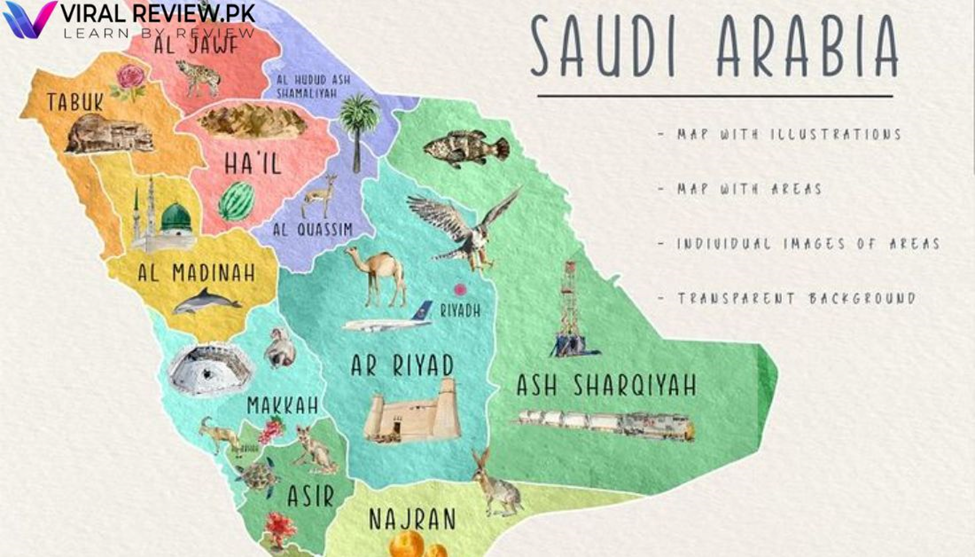
Saudi Arabia Map: Understanding the Layout
Before diving deeper into Saudi Arabia Travel Guide, it helps to picture the map. Saudi Arabia is the largest country on the Arabian Peninsula, bordered by the Red Sea to the west and the Arabian Gulf to the east. The west coast holds Jeddah, Makkah, Madinah, and Taif, all connected and relatively close together. The center of the country is dominated by Riyadh, the capital. The north stretches toward AlUla, NEOM, and Tabuk, while the south is home to the cooler highland city of Abha. The Eastern Province, anchored by Dammam and Al Khobar, faces the Gulf and is the heart of the country’s oil industry.
Understanding this layout matters because it shapes how you build your Saudi Arabia Itinerary. Trying to cover the west coast and the Eastern Province in a single short trip is not realistic; most travelers pick a region and explore it properly rather than racing across the whole country, which is exactly the kind of pacing advice this Saudi Arabia Travel Guide is built around.
Saudi Arabia Visa: What You Need to Know
Getting a Saudi Arabia Visa used to be one of the biggest barriers to visiting. Now it is one of the simplest steps in planning your trip, and it’s the first practical chapter in any Saudi Arabia Travel Guide worth reading. Saudi Arabia introduced an e-visa system that allows citizens of many countries to apply online in minutes, with approval typically arriving within a few days.
The e-visa is valid for multiple entries over one year, with stays of up to 90 days per visit.
Visa-on-arrival is also available for eligible nationalities at major international airports.
Pilgrims visiting Makkah and Madinah for Hajj or Umrah apply through a separate, dedicated visa channel.
Always check the official Saudi e-visa portal before booking flights, as eligible countries and fees can change.
Whichever route you take, sort your Saudi Arabia Visa well before booking flights or hotels, since some accommodations and tour operators ask for proof of an approved visa at the time of booking. This single Saudi Arabia Travel Tip alone saves travelers the most last-minute stress.
Getting Around: Transportation in Saudi Arabia
Domestic flights are the fastest way to move between far-apart cities like Riyadh, Jeddah, Dammam, and AlUla, with budget and full-service airlines connecting most major hubs multiple times daily. For shorter distances, particularly along the western coast linking Jeddah, Makkah, Madinah, and Taif, intercity buses and a growing high-speed rail network (the Haramain line) offer a comfortable, affordable alternative. This is one of the most useful Saudi Arabia Travel Tips for first-time visitors trying to stretch a tight Saudi Arabia Itinerary.
Car rentals are popular for travelers planning road trips, and Saudi Arabia’s highways are generally well-maintained and modern. Ride-hailing apps work reliably in all major cities, making short hops within Riyadh or Jeddah simple even without a rental car.
Culture and Etiquette
Saudi Arabia is a conservative country with deep Islamic traditions, and respecting local customs goes a long way. Modest dress is expected for both men and women in public spaces, particularly near religious sites. Public displays of affection are discouraged, and it is polite to ask before photographing local people, especially women. This kind of cultural awareness belongs at the top of every Saudi Arabia Travel Guide, not as an afterthought.
At the same time, recent reforms have relaxed many previous restrictions: cinemas have reopened, concerts and festivals now run throughout the year, and tourists are no longer required to wear an abaya, though modest clothing is still strongly recommended. Friday is the holiest day of the week, and many businesses adjust their hours around prayer times, which occur five times daily.
Food: What to Eat in Saudi Arabia
Saudi cuisine blends Bedouin tradition with influences from across the Arab and Islamic world. Kabsa, a spiced rice dish typically served with chicken or lamb, is considered the national dish and a must-try on any Saudi Arabia Vacation. Mandi, slow-cooked meat over smoky rice, is another regional favorite, particularly strong in Jeddah and the south. No Saudi Arabia Travel Guide would be complete without a closer look at the food scene, since meals are such a central part of the culture here.
Kabsa spiced rice with chicken, lamb, or camel meat
Mandi slow-roasted meat cooked in an underground pit
Jareesh a hearty cracked-wheat dish popular in Riyadh
Saudi coffee (qahwa): cardamom-spiced, served with dates
Mutabbaq and sambousek: popular street-food snacks
Jeddah in particular has become a genuine food destination, with a buzzing restaurant and café scene along the Corniche that rivals other major Middle Eastern cities.
Safety in Saudi Arabia
Saudi Arabia consistently ranks as one of the safer countries in the region for travelers, a point this Saudi Arabia Travel Guide cannot stress enough. Violent crime against tourists is rare, and the government has invested heavily in tourism infrastructure and security as part of its push to attract international visitors. As with any destination, standard precautions apply: keep valuables secure, follow local laws closely (including strict rules around alcohol and drugs, both of which remain illegal), and stay aware of your surroundings in crowded areas, particularly during Hajj and Umrah seasons. This is one of the most reassuring Saudi Arabia Travel Tips for first-time visitors who may be nervous before the trip.
Currency and Money Matters
The local currency is the Saudi Riyal (SAR), pegged to the US dollar, which keeps exchange rates predictable. Credit and debit cards are widely accepted in cities, hotels, and malls, though smaller shops, local markets, and rural areas often expect cash. ATMs are common throughout urban centers. Tipping is appreciated but not strictly mandatory; rounding up or leaving 10% in restaurants is a common practice, a small but useful detail this Saudi Arabia Travel Guide always gets asked about.
Weather Across the Country
Weather varies significantly depending on where your Saudi Arabia Itinerary takes you. The central and eastern regions, including Riyadh and Dammam, see scorching, dry summers and mild winters. The western coast around Jeddah is hot and humid for much of the year. AlUla and the north experience extreme temperature swings between day and night in the desert. Abha and the southern highlands are the outlier, offering cooler, often misty weather thanks to their elevation, making it the most temperate region year-round and a frequent highlight in Saudi Arabia Travel Guide.
Internet and Connectivity
Saudi Arabia has strong 4G and growing 5G coverage across its major cities, and free Wi-Fi is common in hotels, cafés, and malls. Local SIM cards are inexpensive and easy to pick up at the airport on arrival, with major providers like STC, Mobily, and Zain offering tourist data packages. For most travelers, staying connected throughout their Saudi Arabia Vacation is straightforward and affordable, and it’s one of the easier Saudi Arabia Travel Tips to act on the moment you land.
Where to Stay: Hotels in Saudi Arabia
Accommodation options have grown dramatically alongside the country’s tourism push, another sign that this Saudi Arabia Travel Guide gets longer every year. Riyadh and Jeddah offer everything from international five-star chains to boutique hotels, while Makkah and Madinah are dominated by hotels designed specifically for pilgrims, many within walking distance of the holy mosques. AlUla has leaned into luxury desert resorts and eco-camps, while Abha offers mountain lodges with sweeping valley views. Budget travelers will find reliable mid-range chains in every major city, and prices remain noticeably lower than comparable destinations in the Gulf.
Most Important Tips in Saudi Arabia Travel Guide
Apply for your electronic visa online well in advance through the official government portal.
Dress modestly in public spaces by keeping your shoulders and knees covered at all times.
Download local ride-sharing apps like Careem and Uber before arriving for easy city transport.
Always carry a small amount of cash for tips and small purchases in traditional souks.
Respect local prayer times, as some smaller shops may close briefly throughout the day.
Tap water is generally treated and safe in many urban areas, but many travelers prefer bottled water for taste and convenience.
Purchase a local 5G e-SIM at the arrival airport for instant, seamless navigation connectivity.
Book your high-speed train tickets between Makkah and Madinah well ahead of travel dates.
Never photograph government buildings, military installations, or local residents without explicit permission.
Sample 7-Day Saudi Arabia Itinerary
A one-week trip is ideal for first-time visitors who want to experience the country’s history, culture, and modern attractions.
Day 1: Arrive in Riyadh and visit Kingdom Centre Sky Bridge and Al Masmak Fortress.
Day 2: Explore Diriyah, museums, and traditional markets before flying to AlUla.
Day 3: Visit Hegra, Elephant Rock, and Maraya Concert Hall in AlUla.
Day 4: Travel to Jeddah and explore Al-Balad and the Corniche.
Day 5: Relax on the Red Sea waterfront or enjoy a snorkeling or diving tour.
Day 6: Visit Taif for its rose gardens, mountain scenery, and cable car.
Day 7: Return to Riyadh or continue your journey to another destination.
Packing Checklist
Pack lightweight and breathable clothing suitable for warm weather, along with a light jacket for cooler evenings during winter. Comfortable walking shoes are essential for sightseeing, while sunglasses, sunscreen, and a reusable water bottle help protect against the desert sun. Bring a universal travel adapter, power bank, passport, travel insurance documents, and any prescription medications you may need during your trip.
Common Tourist Mistakes
Many first-time visitors underestimate travel distances between cities, so plan domestic flights or train journeys in advance. Dress modestly in public areas, respect local customs, and avoid photographing government buildings or local people without permission. Booking hotels, attractions, and transportation early—especially during holidays and pilgrimage seasons—can save both time and money.
Local Emergency Numbers
Keep important emergency numbers saved during your trip:
- Police: 999
- Ambulance: 997
- Fire Department: 998
- Traffic Police: 993
- Unified Emergency Number: 911 (available in many major cities)
Having these numbers available can be helpful in case of emergencies.
Photography Rules in Saudi Arabia
Photography is generally allowed at tourist attractions, public parks, and scenic locations. However, always ask for permission before photographing local people, especially women and families. Avoid taking photos of military facilities, government buildings, airports, border checkpoints, and other restricted areas, as this may result in legal issues.
Travel During Ramadan
Traveling during Ramadan offers a unique opportunity to experience Saudi Arabia’s rich religious and cultural traditions. Tourist attractions remain open, although some businesses may operate with shorter daytime hours. After sunset, cities become lively with traditional markets, restaurants, and special Ramadan events, making it one of the most memorable times to visit.
Women’s Travel Advice
Saudi Arabia welcomes female travelers, including those traveling alone. Modest clothing is recommended in public places, particularly near religious sites. Women can use public transportation, taxis, ride-hailing services such as Uber and Careem, and rent hotel accommodations independently. Respecting local customs helps ensure a comfortable and enjoyable travel experience.
Internet Speed and Connectivity
Saudi Arabia has one of the most advanced digital infrastructures in the Middle East. High-speed 4G and expanding 5G networks provide excellent mobile coverage across major cities and tourist destinations. Free Wi-Fi is widely available in hotels, shopping malls, airports, cafés, and many public spaces, making it easy for travelers to stay connected.
Power Plug Type
Saudi Arabia primarily uses Type G electrical outlets, the same as those used in the United Kingdom, with a standard voltage of 230V and a frequency of 60Hz. Some hotels may also provide Type A, B, or C sockets, but carrying a universal travel adapter is recommended for international visitors.
FAQs – Saudi Arabia Travel Guide
Do I need a visa to visit Saudi Arabia in 2026?
Yes, most international travelers need a Saudi Arabia e-Visa, which can be applied for online. Always check the latest eligibility requirements before booking your trip.
Is Saudi Arabia expensive for tourists?
Saudi Arabia offers options for every budget. Budget travelers can save money with affordable hotels and local restaurants, while luxury resorts and premium experiences are also widely available.
Is Saudi Arabia safe for international travelers?
Yes, Saudi Arabia is considered one of the safer countries in the Middle East for tourists. Following local laws and taking normal travel precautions will help ensure a safe and enjoyable trip.
Can women travel alone in Saudi Arabia?
Yes, women can travel alone in Saudi Arabia and are welcome as independent tourists. Dressing modestly and respecting local customs will help make your journey more comfortable.
Can tourists drive in Saudi Arabia?
Yes, tourists can rent a car and drive using a valid driving license and, in many cases, an International Driving Permit (IDP). Driving is an excellent way to explore the country’s vast landscapes.
What is the best time to visit Saudi Arabia?
The best time to visit Saudi Arabia is from October to April, when temperatures are cooler and ideal for sightseeing, outdoor activities, and desert adventures.
Can I use Uber in Saudi Arabia?
Yes, Uber and Careem operate in major cities such as Riyadh, Jeddah, and Dammam. They are reliable, convenient, and widely used by both locals and tourists.
Is English widely spoken in Saudi Arabia?
Yes, English is commonly spoken in hotels, airports, shopping malls, restaurants, and most tourist attractions. Learning a few basic Arabic phrases is still appreciated by locals.
Is alcohol legal for tourists in Saudi Arabia?
No, alcohol is prohibited throughout Saudi Arabia. Tourists should not expect alcoholic beverages to be available in hotels, restaurants, or public venues.
Can I visit Saudi Arabia during Ramadan?
Yes, tourists can visit during Ramadan and experience the country’s unique cultural atmosphere. Be aware that some businesses may operate on reduced hours during the daytime, while evenings become lively with markets and restaurants.
Conclusion – Saudi Arabia Travel Guide
From the ancient tombs of AlUla to the futuristic skyline of Riyadh, the misty mountains of Abha to the Red Sea waterfront of Jeddah, Saudi Arabia Tourism has quietly become one of the most diverse and rewarding sectors in the Middle East. This Saudi Arabia Travel Guide only scratches the surface of what is possible, but it gives you the foundation: visa steps, the best time to visit, transportation, culture, food, safety, and a full list of the Best Places to Visit in Saudi Arabia.
Whichever corner of the Kingdom you choose first, one thing is certain: Things to Do in Saudi Arabia are no longer in short supply, and the country is only getting started as a major global travel destination. Bookmark Saudi Arabia Travel Guide 2026, start planning your Saudi Arabia Itinerary today, and discover why so many travelers are putting Visit Saudi Arabia at the top of their list for 2026.
Quote of inspiration
To travel is to discover that everyone is wrong about other countries, unlocking secrets hidden in the desert sands.