
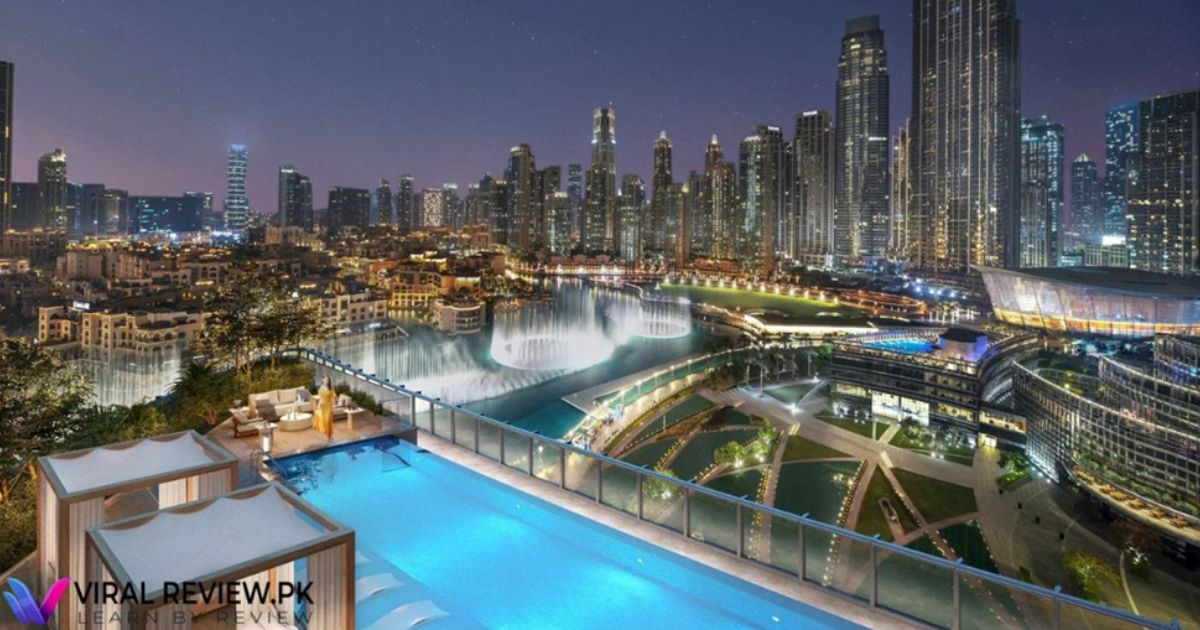
Jeddah, the coastal gateway of Saudi Arabia, has transformed into one of the most exciting cities to visit on the Red Sea. This Jeddah Travel Guide is built for travelers who want a modern port city that blends centuries-old coral-stone merchant houses, world-class diving, sprawling waterfront promenades, and a food scene that ranges from traditional Hijazi cooking to international fine dining.
Whether you’re planning a short layover or a full week, Jeddah Travel Guide covers everything you need — attractions, hotels, restaurants, shopping, and practical travel tips. Picture a city where a 500-year-old coral-stone merchant house sits a 15-minute drive from a fountain that shoots water above 260 meters into the sky — where the call to prayer echoes past spice-filled souqs one moment, and past third-wave coffee shops overlooking the Red Sea the next. That city is Jeddah, and in 2026 it’s no longer just the entry point for pilgrims heading to Mecca.
Quick Facts About Jeddah
| Quick Facts | Details |
|---|---|
| Location | Makkah Province, Western Saudi Arabia, on the Red Sea coast |
| Nearest Airport | King Abdulaziz International Airport (JED) |
| Best Time to Visit | November to March (pleasant weather for sightseeing and outdoor activities) |
| Recommended Stay | 2–4 Days |
| Famous For | Red Sea Beaches, Al Balad, Jeddah Corniche, Waterfront & Gateway to Makkah |
| Top Attractions | Al Balad, Jeddah Corniche, King Fahd Fountain, Red Sea Mall, Fakieh Aquarium & Al Rahmah Mosque |
| UNESCO Site | Historic Jeddah (Al Balad) – UNESCO World Heritage Site |
| Currency | Saudi Riyal (SAR) |
| Language | Arabic (English is widely spoken in hotels, restaurants, and tourist areas) |
| Time Zone | Arabia Standard Time (AST, UTC+3) |
| Average Winter Temperature | 22–31°C (72–88°F) |
| Dress Code | Modest clothing is recommended, especially when visiting religious and historic sites. |
| Best For | Families, Beach Lovers, History Enthusiasts, Food Lovers, Shopping, Business Travelers & Gateway to Umrah |
As Saudi Arabia continues opening its doors to international visitors, Jeddah has become one of the natural anchors of most coastal itineraries. It’s the country’s commercial port and cultural melting pot, and this Jeddah Travel Guide will help you make the most of your time here in 2026. From the UNESCO-listed alleys of Al-Balad to the glass towers rising along the Corniche, Jeddah tells the story of a trading city moving quickly into its future while holding onto its roots.
What makes Jeddah especially compelling in 2026 is the sheer pace of change. New waterfront developments, dining districts, and cultural festivals seem to open every few months, and the city is investing heavily in tourism infrastructure to match its growing international profile. This Jeddah Travel Guide reflects that momentum, focusing on the places, experiences, and practical details that matter most for travelers visiting right now — not the Jeddah of five years ago, but the one taking shape today.
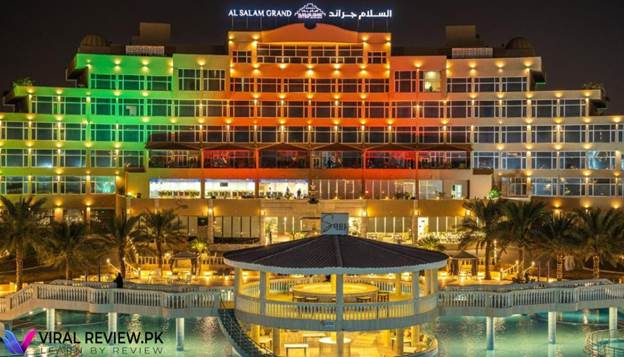
Al-Balad
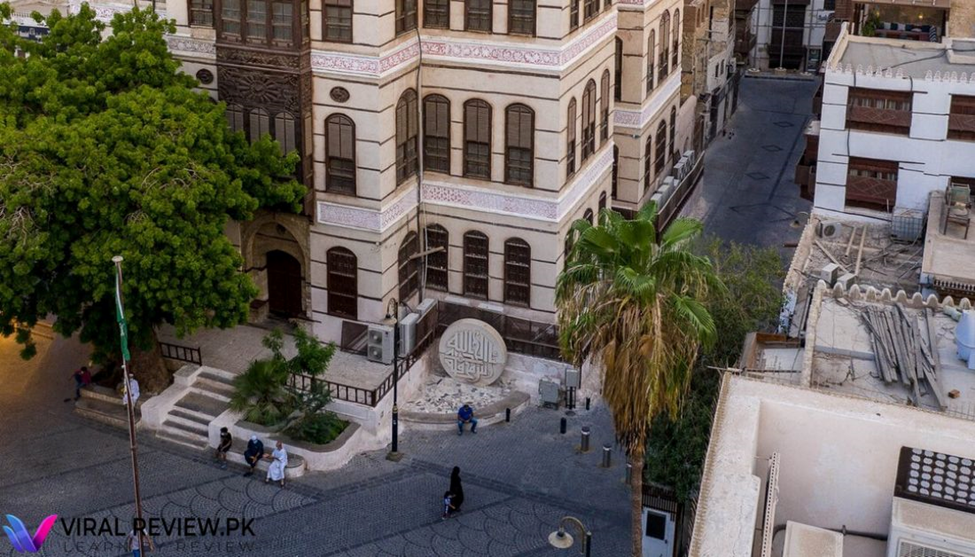
Al-Balad is the historical soul of Jeddah and, for many, the true starting point of any Jeddah itinerary. As the UNESCO World Heritage-listed old town, it holds deep symbolic importance, and its restored coral-stone architecture offers a rare glimpse into pre-modern Hijazi life.
Visitors can wander the narrow lanes around Naseef House, tour small museums housed in restored merchant mansions, and finish the evening browsing the Al-Alawi Souq, where spice traders and gold merchants have worked for generations. Look up as you walk and you’ll spot rawasheen — the ornate wooden lattice balconies that once let Hijazi families watch the street below while staying shaded and unseen, a detail no Jeddah Travel Guide worth reading should let you miss. Set aside at least a couple of hours here; the district rewards slow wandering far more than a rushed checklist of landmarks.
Corniche and Al Hamra
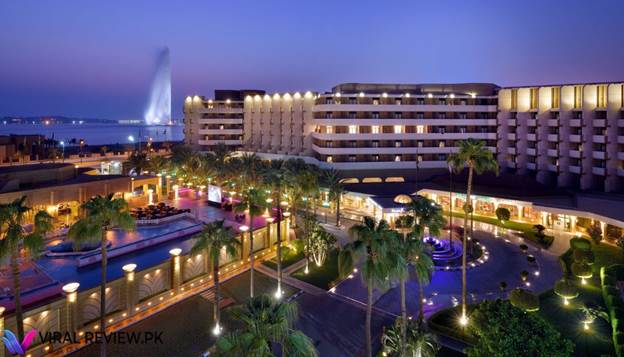
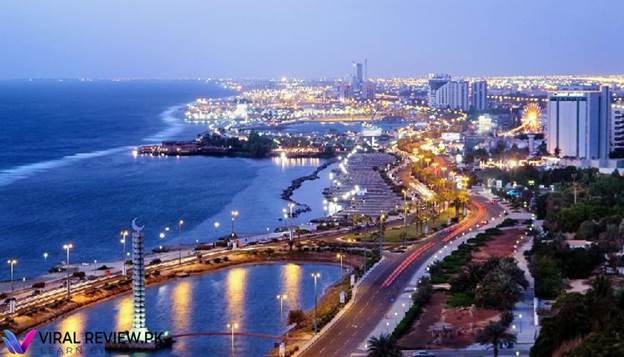
The Corniche is Jeddah’s social and recreational spine, stretching roughly 30 kilometers along the Red Sea. It’s the most convenient base for first-time visitors thanks to its waterfront hotels, walking paths, and easy access to landmarks like King Fahd’s Fountain and the Floating Mosque.
Beyond the promenade, the Al Hamra district’s streets are lined with cafes, from international chains to specialty coffee roasters, making it a good area for evening strolls and people-watching by the sea. Many of these cafes stay open well past midnight, so it’s a good option for travelers who’d rather sightsee after dark once the heat has fully broken. Any Jeddah Travel Guide built around real local rhythms should point you here for a slower, unhurried evening away from the busier tourist stops.
Obhur (Sharm Obhur)
Obhur represents Jeddah’s ambitions as a leisure and resort hub, with striking waterfront villas and a bay lined with private beach clubs, jet ski rentals, and sunset cruise operators. While primarily residential, it has increasingly added dining and leisure options for visitors.
Water-sports enthusiasts following this Jeddah Travel Guide will appreciate the bay’s calm, sheltered waters, which stand in sharp contrast to the open Red Sea just a short drive away.
Tahlia Street and Rawdah
Tahlia Street and the surrounding Rawdah district make up Jeddah’s modern entertainment and dining corridor, especially lively in the evenings. It combines boutique cafes, concept stores, and pop-up retail into one walkable strip that draws both residents and tourists.
Even outside major festival periods, Tahlia Street often hosts smaller pop-up events, making it worth checking for what’s on during your visit. Concept stores here rotate frequently, so no two trips down the same block ever quite look the same. It’s one of the few areas where this Jeddah Travel Guide would suggest simply showing up without a fixed plan and letting the street decide your evening for you.
Al-Baghdadiyah and Historic Souqs
Al-Baghdadiyah and the surrounding market district represent the older, more traditional side of Jeddah. The Central Fish Market and neighborhood souqs sit here, offering fresh seafood, spices, and everyday goods rather than tourist trinkets.
This part of the city moves at a slower pace and gives visitors a strong sense of what Jeddah looked like before its rapid modernization began. It’s also one of the best places to pick up ingredients or spices used in Hijazi home cooking, straight from the vendors who supply local restaurants. Most Jeddah Travel Guide recommendations skip this district in favor of flashier waterfront stops, but it’s exactly the kind of neighborhood that rewards travelers willing to wander off the main route.
King Fahd’s Fountain and the Waterfront Parks
For a break from the historic streets, this stretch of coastline offers walking paths, illuminated fountains, and open-air parks. It’s especially popular with local families on weekend evenings.
The waterfront parks are easy to reach by car or ride-hailing app and make for a relaxing evening outing between busier sightseeing days. Many stay lit and busy well after sunset, so they’re worth a return visit even if you’ve already passed through during the day. Families, joggers, and street vendors all share the same stretch of promenade come evening, giving this part of any Jeddah Travel Guide a genuinely local feel rather than a purely touristic one.
Jeddah Central (In Progress)
Jeddah Central is a large waterfront redevelopment project that represents the city’s future direction rather than a fully established tourist district in 2026. While parts of the wider area may be visible from the Corniche, travelers should not expect a finished attraction zone yet, as major development phases are still ongoing. Travelers following this Jeddah Travel Guide can already glimpse the project’s scale from the Corniche, making it worth a mention even before its full completion.
If you are planning a road trip across the Kingdom, these approximate driving distances from Jeddah to other major destinations can help you estimate travel times and organize a smoother itinerary. If you’re exploring multiple regions, this information complements your Saudi Travel Guide and makes planning your journey much easier.
Distances from Jeddah to Other Major Cities
- Jeddah → Makkah: Approximately 85 km
- Jeddah → Madinah: Approximately 420 km
- Jeddah → Taif: Approximately 170 km
- Jeddah → AlUla: Approximately 700 km
- Jeddah → Riyadh: Approximately 950 km
- Jeddah → Abha: Approximately 625 km
Best Time to Visit Jeddah
The best time to visit Jeddah is between November and March, when daytime temperatures are mild and comfortable for walking tours, souq browsing, and outdoor dining. Summer months (June–August) bring intense heat and humidity, often exceeding 40°C, so most outdoor sightseeing during that period is best done in the early morning or evening.
Beyond temperature, timing your trip around Jeddah Season (typically running through the winter) can make a real difference in how much you get to experience. Concerts, festivals, and pop-up entertainment districts add an extra layer of energy to the city during these months, and travelers who plan a trip alongside our broader Saudi Arabia itinerary often find this window works best for combining Jeddah with Riyadh or AlUla.
Why Visit Jeddah
Jeddah offers a rare mix of old and new. On one side of the city you’ll find Al-Balad, the UNESCO-listed old town, with restored coral-stone merchant houses and narrow historic lanes. On the other, you’ll find King Fahd’s Fountain and the rising towers of Jeddah Central, gleaming symbols of the city’s rapid modernization. Anyone using this Jeddah Travel Guide to plan a trip will notice quickly that few cities in the region offer such a sharp contrast between maritime heritage and coastal ambition.
It’s also simply a convenient place to begin exploring the wider Red Sea region. Jeddah’s growing international airport connections make it easy to pair a Saudi trip with side journeys further afield, whether that’s the eco-resorts of the Red Sea Project or nearby historical sites within the Kingdom, for travelers looking to extend their trip into a broader itinerary. Pair it with a stop in the capital — our Riyadh Travel Guide covers the desert-and-skyscraper side of the country that makes for a compelling contrast once you’ve had your fill of the coast.
Things You’ll Find in Jeddah
Jeddah surprises many first-time visitors with how developed and cosmopolitan it feels. Expect world-class shopping malls, an expanding waterfront, a rapidly growing restaurant scene, and a calendar increasingly filled with concerts, dive excursions, and cultural festivals. You’ll also notice a distinct sense of scale. A long coastline, sprawling malls, and waterfront megaprojects give Jeddah a footprint unlike smaller Gulf port cities, and it helps to get a feel for that scale early in your trip.
Road Trips from Jeddah
Jeddah makes an excellent base for day trips and short excursions. For longer excursions, travelers sometimes look north toward the broader Red Sea coastal developments, though these are better treated as separate resort stays or carefully planned side trips rather than casual day trips from central Jeddah. Other options include desert quad-bike trips into the landscapes just outside the city and longer excursions toward Taif, a cooler mountain city known for its rose gardens. A licensed tour operator is recommended for most off-road and boat routes.
Day-trip conditions vary by season, so it’s worth checking recent weather before setting out, particularly during the hotter months when strong offshore winds can affect boat excursions. Renting a vehicle in Jeddah is straightforward for visitors with an international driving permit, though many travelers still prefer booking through a tour operator for longer desert or marine routes.
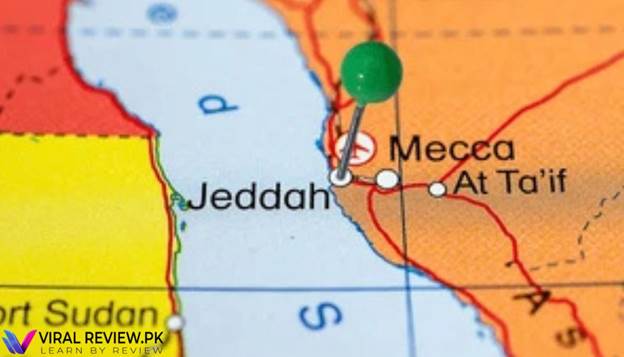
Jeddah Map and Geography
Jeddah sits on the Red Sea coast in the Hejaz region of western Saudi Arabia, a narrow coastal plain backed by desert and low mountains further inland. The city itself stretches in a long ribbon along the water, with major districts like Al-Balad, the Corniche, and Obhur connected by wide highways running roughly parallel to the coastline.
Because the city is so spread out along the coast, it helps to loosely group your sightseeing by geography rather than jumping back and forth. Pairing Al-Balad with the nearby Central Fish Market, or combining the Corniche and King Fahd’s Fountain into one evening, cuts down significantly on transit time and leaves more room for lingering at the places you actually want to enjoy.
Visa Requirements for Jeddah
Most nationalities can now apply for a Saudi e-visa online, which covers travel to Jeddah and the rest of the Kingdom. Key points to know:
- E-visas are typically valid for one year with multiple entries, though each stay is limited to 90 days.
- Applications can be completed online and usually take only a few minutes.
- Some nationalities may still need to apply through an embassy rather than online.
- Visa-on-arrival is available for citizens of select countries at Jeddah’s international airport.
If you’re planning to explore beyond the coast, the same e-visa covers travel across the Kingdom, so there’s no need for separate paperwork whether you’re headed to Riyadh, AlUla, or elsewhere. For a full country-wide breakdown of entry requirements, our companion Saudi Arabia Travel Guide covers visa details in more depth alongside broader tips for the rest of the country.
Getting Around Jeddah
A dense web of roads links Jeddah’s key neighborhoods — Al-Balad, the Corniche, and Obhur — which makes hiring a car or opening a ride-hailing app the simplest way to get from place to place. Apps such as Uber and Careem are especially handy for travelers who don’t know the city’s layout, offering reliable point-to-point pickups. Taxis can also be flagged down easily, but it’s worth double-checking that the meter is running or negotiating the price beforehand.
If you’re based centrally, covering short distances on foot is doable too — particularly within Al-Balad or along stretches of the Corniche, especially once temperatures dip in the evening. That said, the gaps between neighborhoods tend to be too large for casual walking, so combining a bit of walking with the occasional ride tends to work better than sticking to just one method the whole trip.
Culture and Etiquette in Jeddah
While rules around dress have loosened noticeably over the past few years, it’s still courteous to steer clear of clothing that’s too revealing, except at private beach clubs or hotel pools. Affection shown openly in public isn’t well received, and travelers should stay aware of the five prayer times each day, during which some shops and services close for a short while.
Generosity and warmth are central to Hijazi culture, and many visitors are pleasantly surprised by how genuinely welcoming locals can be — whether that’s hotel employees, market sellers, or people you happen to sit near at dinner. Small gestures, like greeting people warmly, taking off your shoes when it’s customary, and showing basic respect for local norms, tend to smooth things over and make your interactions feel far more genuine.
Jeddah Restarunts :Where To Eat
The city’s food landscape has grown considerably in a short span of time. Fans of classic Hijazi flavors should look for dishes like saleeg, mandi, and mabshoor at local restaurants. Al-Balad itself has turned into a culinary hotspot, with food carts and old-school bakeries scattered among its historic buildings. If you’re after something more low-key, Tahlia Street and the Corniche are dotted with coffee shops, seafood joints, and familiar international brands. It would be hard to write a proper guide to Jeddah’s food scene without mentioning its thriving specialty coffee culture — independent third-wave roasters seem to have popped up in nearly every corner of the city.
Global flavors have also found a strong footing here, with options ranging from Japanese omakase spots to Italian eateries, most of them clustered near the Corniche and in Rawdah. Weekend evenings tend to book up fast, especially at waterfront venues, so making a reservation ahead of time is a smart move.
Safety in Jeddah
Compared to many coastal cities in the region, Jeddah stands out as fairly safe, with minor crime being uncommon and a noticeably strong security presence throughout. The usual travel precautions still apply, though — hold onto your belongings, stay alert in crowded market areas, and pay attention to any instructions given during public gatherings or events.
Response times from emergency services tend to be fast, and the city’s hospitals are held to high international standards, which should ease any worries travelers might have. Even so, it’s a good idea to take out travel insurance before departing, as you would for any trip abroad, in case of unplanned medical issues or disruptions — including anything that might happen during water activities.
Currency in Jeddah
Jeddah’s official currency is the Saudi Riyal (SAR), which is fixed to the US Dollar. Most malls, hotels, and restaurants accept card payments without issue, though it helps to carry a bit of cash when visiting traditional markets like Al-Alawi Souq or dealing with smaller independent sellers.
ATMs are plentiful across the city, especially near malls and hotels, and the majority take international cards without any trouble. Tap-to-pay is also becoming the norm, so a contactless card or a mobile wallet should cover most of your daily spending while you’re there.
Weather in Jeddah
The climate in Jeddah is hot, sticky, and coastal, with summer temperatures frequently topping 40°C — and the added humidity can make it feel even hotter than drier cities further inland. Evenings during winter, though, are pleasantly mild and breezy, particularly near the water. It rarely rains here, but the ocean breeze does offer some relief that inland spots like Riyadh don’t get.
Coastal haze can occasionally reduce visibility, especially in the peak of summer, so it’s worth glancing at the forecast before heading out for the day. On days when the weather isn’t cooperating, shopping centers and aquariums make for solid alternatives.
Internet and Connectivity
4G and 5G networks blanket most of Jeddah, and complimentary Wi-Fi is easy to find in malls, coffee shops, and hotels. Most travelers find that staying connected here feels just as smooth as it would in a major city in Europe or North America. If you want to be online the moment you land, grabbing an eSIM or picking up a local SIM card at the airport is typically the quickest route, saving you the trouble of tracking down a vendor after you’ve checked into your hotel.
Mobile data speeds around the city tend to hold up well, matching what you’d expect in most Western cities, which makes it simple to pull up directions, translate a menu, or lock in a last-minute reservation. Signal strength remains solid even in the farther reaches of the Corniche and near Obhur, areas where other coastal destinations often struggle with weaker reception — a small but genuinely practical detail worth keeping in mind while planning your trip.
Jeddah Hotels: Where to Stay
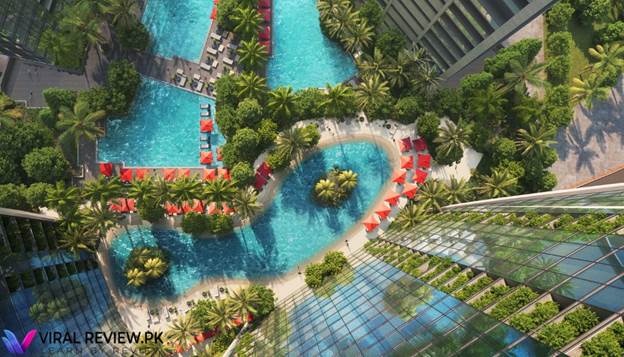
Jeddah offers accommodation across every budget. Luxury travelers tend to gravitate toward high-end hotels along the Corniche and in waterfront districts, where sea views and upscale amenities are common. Mid-range travelers will find excellent value in hotels around Madinah Road, close to malls and restaurants. Budget travelers can find comfortable options near Al-Balad or the city center, both close to the historic district and traditional souqs. Booking early is generally a good idea during Jeddah Season or major conference periods, when hotel rates in waterfront districts can rise noticeably.
Jeddah Shopping
Jeddah shopping ranges from ultra-modern malls to traditional markets. Red Sea Mall and Mall of Arabia offer international and luxury brands, while Stars Avenue caters to a broader mix of shoppers. For a more authentic experience, Al-Alawi Souq near Al-Balad offers spices, textiles, and gold, giving visitors a feel for pre-modern Jeddah. Local designers and boutique concept stores have also grown in popularity, particularly around Tahlia Street, giving fashion-focused visitors another reason to spend an afternoon browsing.
Most malls stay open late into the evening, which makes shopping a natural activity after dinner rather than something squeezed into a daytime schedule. It’s also worth setting aside time for souvenir hunting, with items like dates, incense, and locally made perfumes among the most popular keepsakes travelers bring home.
Jeddah with Kids
Jeddah has become increasingly family-friendly, with attractions suited to travelers bringing children. Fakieh Aquarium and its dolphin show are popular with younger visitors, while Al Shallal Theme Park combines rides and beach access, especially during Jeddah Season. The waterfront parks along the Corniche are popular for family picnics, and several malls include dedicated play areas and family sections in restaurants. Planning around nap times and prayer-time closures is worthwhile when traveling with younger children.
Al-Balad is also surprisingly easy to enjoy with kids, since its pedestrian-friendly lanes give younger travelers room to explore without the traffic of a typical downtown attraction. Many family-run restaurants near the historic district are used to accommodating children, making it a relaxed choice for an evening meal after a day of sightseeing.
Business Travel in Jeddah
As the Kingdom’s commercial port city, Jeddah sees a steady stream of business travelers. The Corniche business districts and areas near King Abdulaziz International Airport host most major conferences and corporate events, and hotels in these areas typically offer business centers and meeting facilities. Traveling for work still allows time for a quick cultural stop — Al-Balad is close enough to most business districts for a short evening visit between meetings.
Business etiquette in Jeddah leans formal, with an emphasis on relationship-building before getting into details, so allowing extra time for introductions and conversation before meetings tends to serve visitors well. Business hours generally run Sunday through Thursday, with Friday and Saturday forming the weekend, which is worth factoring into any scheduling around a trip.
Most Important Jeddah Travel Tips
- Fridays are the primary weekly holiday; many businesses open later or close briefly around prayer times.
- Ride-hailing apps like Uber and Careem are widely available and are the easiest way to get around the city.
- Cash is still useful in older souqs, though card payments are standard almost everywhere else.
- Alcohol remains illegal throughout Saudi Arabia, including Jeddah.
- Walking the Corniche in the early morning or evening is a free and efficient way to explore the city.
- This Jeddah Travel Guide recommends downloading a ride-hailing app before you land, since it’s the fastest way to get moving once you clear the airport.
- Keep a copy of this Jeddah Travel Guide’s emergency numbers and SIM comparison handy for your first day, before you’ve had a chance to settle in.
Estimated Trip Cost
- Budget travelers: Around 250–350 SAR (~$65–95) per day, covering hostel or budget hotel stays, public transport, and local food.
- Mid-range travelers: Around 600–900 SAR (~$160–240) per day, covering three-star to four-star hotels, ride-hailing transport, and a mix of casual and mid-range dining.
- Luxury travelers: 1,500 SAR (~$400) and up per day, covering five-star hotels, private transport, and fine dining across the city’s top restaurants.
Sample 7-Day Jeddah Itinerary
- Day 1: Arrival, settle into the Corniche district, evening walk near King Fahd’s Fountain.
- Day 2: Al-Balad and Naseef House, dinner among the illuminated old town streets.
- Day 3: Fakieh Aquarium in the morning, Red Sea Mall in the afternoon.
- Day 4: Day trip to Red Sea Project islands, return for a relaxed evening in Obhur.
- Day 5: Jeddah shopping day across Mall of Arabia and Tahlia Street.
- Day 6: Diving or snorkeling excursion at Bayada, depending on conditions.
- Day 7: Al-Alawi Souq and Central Fish Market in the morning, farewell dinner on the Corniche.
Packing Checklist
- Lightweight, breathable, modest clothing
- A light layer for air-conditioned malls and restaurants
- Comfortable walking shoes for historic districts
- Sunglasses and reef-safe sunscreen
- A reusable water bottle
- Power adapter (see plug type below)
- A swimsuit for beach clubs and resort pools
Common Tourist Mistakes
- Underestimating how spread out the city is and not budgeting enough time for transport between districts.
- Packing overly revealing clothing for a conservative destination.
- Not booking diving or boat excursions in advance during peak season.
- Ignoring prayer-time closures when planning a tight schedule.
SIM Card Comparison
| Provider | Best For | Notes |
| STC | Widest coverage | Best choice for travelers heading outside Jeddah |
| Mobily | Good value plans | Strong urban coverage, competitive data packages |
| Zain | Airport convenience | Easy to purchase at Jeddah’s international airport |
Local Emergency Numbers
- Police: 999
- Ambulance: 997
- Civil Defense (Fire): 998
- Traffic Police: 993
Photography Rules
Photography is generally allowed in public tourist areas like Al-Balad and the Corniche, but visitors should avoid photographing government buildings, port facilities, and local people without their consent.
Travel During Ramadan
If visiting Jeddah during Ramadan, expect shorter business hours during the day and a lively atmosphere after sunset (iftar), when restaurants and souqs stay open late into the night. Public eating and drinking during daylight hours is discouraged out of respect for those fasting.
Women’s Travel Advice
Solo female travel in Jeddah has become increasingly common and comfortable in recent years. Modest dress is still advisable, and women can move freely through malls, restaurants, and tourist sites without a male guardian, a significant shift from previous regulations.
Frequently Asked Questions about Jeddah Travel Guide
Can I visit Jeddah on a layover?
Yes — a few hours is enough for a walk through Al-Balad or a sunset stop at the Corniche.
What language do people speak in Jeddah?
Arabic is the official language, but English is widely useful in hotels and malls, and you may also hear Urdu and other expatriate languages in different parts of the city.
Do I need to cover my hair in Jeddah?
No, headscarves aren’t legally required for visitors, but modest clothing is still advisable.
Is it possible to dive or snorkel without a certification?
Yes, several operators offer beginner-friendly try-dives and snorkeling trips at spots like Bayada.
How does Jeddah compare to Riyadh for tourists?
Jeddah is coastal and relaxed around the Red Sea and Al-Balad, while Riyadh leans into desert landscapes and its role as the political capital.
What currency should I bring to Jeddah?
The Saudi Riyal (SAR) — cards work almost everywhere, but cash helps in the souqs.
Are there direct flights to Jeddah from major cities?
Yes, King Abdulaziz International Airport has extensive connections across Europe, Asia, Africa, and North America.
Final Thoughts about Jeddah Travel Guide
Jeddah in 2026 is a city in the middle of rapid transformation, offering travelers a rare chance to experience both centuries-old maritime heritage and cutting-edge modernity in a single trip. Whether you’re here for the history of Al-Balad, the skyline views along the Corniche, or the coral reefs just offshore, Jeddah rewards travelers who take the time to explore beyond the surface.
What sets Jeddah apart from other Saudi destinations is how easy it is to slow down here. There’s no pressure to rush between landmarks — a single evening on the Corniche, one unhurried walk through Al-Balad’s coral-stone lanes, or an afternoon spent snorkeling off Bayada can leave a deeper impression than a packed checklist ever could. As the city keeps growing around projects like Jeddah Central and the Red Sea Project, that laid-back, seaside character is the thing worth returning for, long after the construction cranes have gone quiet.
Quote of Inspiration
The Red Sea doesn’t just border Jeddah — it explains it: a city that has always known how to welcome the tide, whatever it brings.