
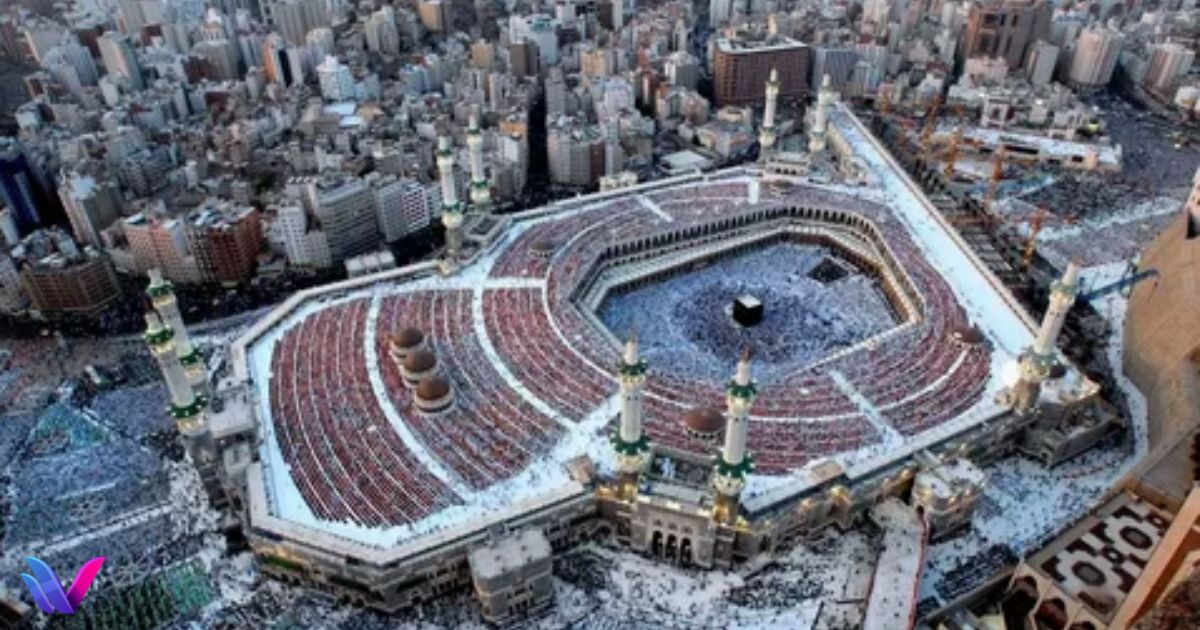
Makkah is the spiritual heart of Islam — the direction every Muslim faces five times a day in prayer, and the destination of a journey that millions of believers dream about for years before they ever book a flight. Whether you are preparing for your very first Umrah or returning for what feels like a homecoming, standing before the Kaaba for the first time is an experience that reshapes how you understand faith, humility, and gratitude. Makkah Travel Guide is built for both first-time and returning pilgrims.
It walks through the holy sites you’ll want to understand before you arrive, the rituals of Umrah in the order you’ll actually perform them, and all the practical groundwork — visas, hotels, transport, budgeting, packing — that turns a spiritually overwhelming trip into a smooth, well-prepared one. Think of it as the one-stop reference you can return to at every stage of planning, from the moment you start researching to the days you spend inside Masjid al-Haram.
Quick Facts About Makkah
| Quick Facts | Details |
|---|---|
| Location | Makkah Province, Western Saudi Arabia |
| Nearest Airport | King Abdulaziz International Airport (JED), Jeddah (approximately 85 km away) |
| Best Time to Visit | October to April (pleasant weather); Umrah can be performed year-round |
| Recommended Stay | 3–5 Days (depending on your Umrah or pilgrimage plans) |
| Famous For | Masjid al-Haram, the Holy Kaaba, Umrah, Hajj & Islamic Heritage |
| Top Attractions | Masjid al-Haram, Kaaba, Abraj Al Bait, Jabal al-Noor, Jabal Thawr, Mina, Muzdalifah & Arafat |
| Religious Access | Entry to Makkah is restricted to Muslims only |
| Currency | Saudi Riyal (SAR) |
| Language | Arabic (English, Urdu, and many other languages are commonly understood in pilgrimage areas) |
| Time Zone | Arabia Standard Time (AST, UTC+3) |
| Average Winter Temperature | 20–32°C (68–90°F) |
| Dress Code | Modest Islamic dress is required; pilgrims performing Umrah or Hajj must wear Ihram at the appropriate Miqat |
| Best For | Umrah Pilgrims, Hajj Pilgrims, Islamic Heritage, Spiritual Journeys & Religious Tourism |
Holy Sites in Makkah
This section of the Makkah Travel Guide covers the sites every pilgrim should recognize before arriving. Long before you board a flight, it helps to understand what you’re actually walking into, because Makkah isn’t a single landmark you visit once and check off a list — it’s a layered geography of memory, sacrifice, and revelation, where every few kilometers hold a story that shaped the faith of over a billion people.

Masjid al Haram and the Kaaba
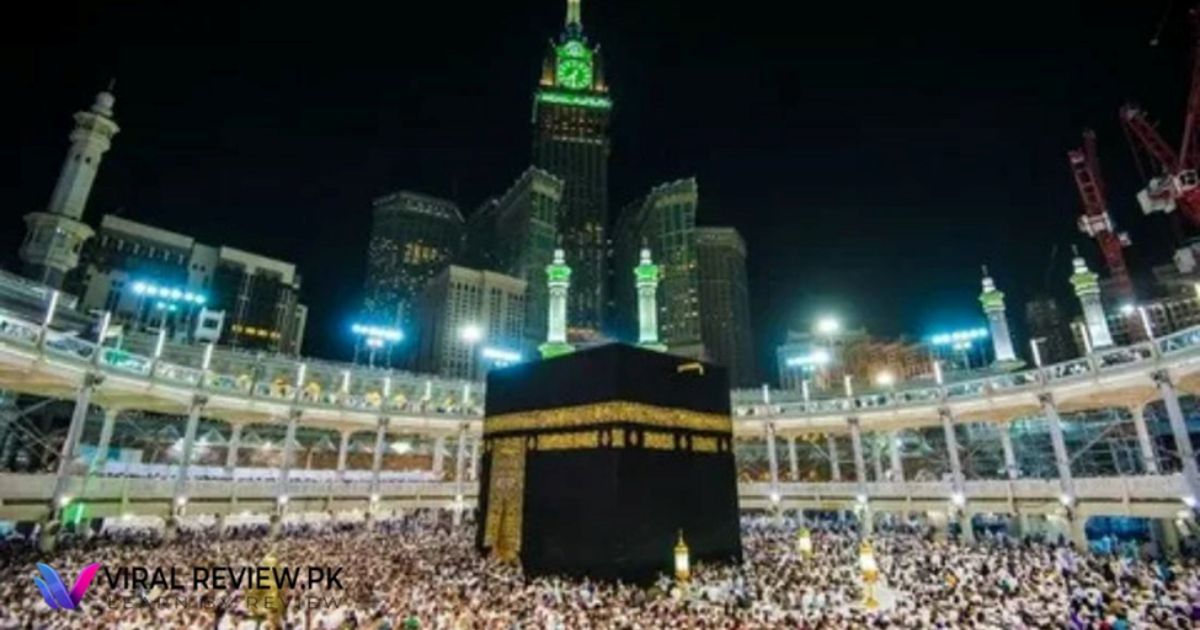
The Masjid al Haram surrounds the Kaaba, the cube-shaped structure that is the literal focal point of Muslim prayer worldwide, the point every Muslim on earth faces five times a day regardless of where they stand. Circling it in Tawaf is the ritual most pilgrims describe as the most powerful moment of their trip — the moment the abstract idea of “the Kaaba” from a lifetime of prayer suddenly becomes a physical structure in front of you, surrounded by tens of thousands of people moving in the same slow, deliberate circle.
Mount Arafat (Jabal al-Rahmah)
Located about 20 km from central Makkah, this is where pilgrims gather during Hajj and where the Prophet Muhammad delivered his final sermon, an address often described as the last major articulation of his teachings before his passing. It isn’t part of standard Umrah rites, but many pilgrims visit it as a side trip for its historical weight, standing on the same rocky rise where, once a year during Hajj, millions gather in what is considered the spiritual peak of the entire pilgrimage. Even outside the Hajj season, the site draws a steady stream of visitors who simply want to see it with their own eyes.
Jabal al-Nour and the Cave of Hira
This mountain holds the cave where the Prophet received the first revelation of the Qur’an, an event that marks the very beginning of Islam as a faith. The climb is steep and takes roughly 1–2 hours round trip, over uneven rock with no shade for most of the ascent, so it demands a reasonable level of fitness and, ideally, an early morning start before the heat sets in. Many visit it as an optional, reflective add-on rather than a required stop, and those who make the climb often say the narrow cave at the summit — barely large enough for a couple of people to sit inside — carries a stillness that’s hard to describe until you’ve felt it yourself.
Mina
A vast tent city used primarily during Hajj, Mina lies between Makkah and Muzdalifah and is central to the Hajj rites of stoning the Jamarat, where pilgrims symbolically reject temptation by throwing pebbles at three stone pillars. Outside the Hajj period, the tent city sits largely empty, but its scale is still striking to see — a temporary metropolis of fire-resistant tents built to house well over a million pilgrims for just a few days each year, then packed away until the next season.
Muzdalifah
An open plain between Mina and Arafat, significant in Hajj for the night pilgrims spend praying and collecting pebbles under open sky, a deliberate break from comfort that’s considered part of the spiritual discipline of the pilgrimage. Like Mina, it’s mainly relevant to Hajj rather than Umrah, and most Umrah pilgrims will only pass near it, if at all, rather than stopping — but it’s worth knowing its role, since it comes up constantly in any explanation of how the full Hajj sequence unfolds.
Zamzam Well
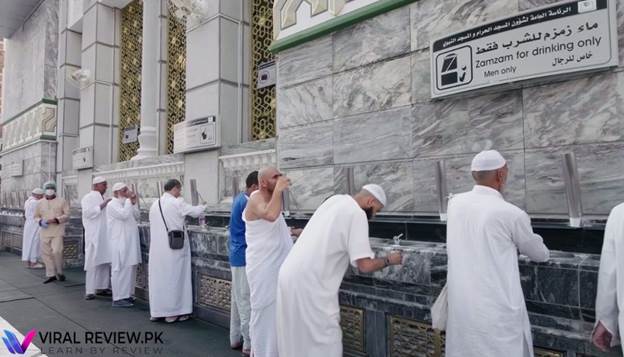
Located within Masjid al-Haram, this well’s water is considered blessed, tied to the story of Hajar and her son Ismail searching desperately for water in the desert before the spring miraculously appeared beneath his feet. Drinking it is one of the small but deeply meaningful acts pilgrims perform after Tawaf, and the water is now piped to chilled dispensers throughout the mosque and even bottled for pilgrims to carry home, so the experience of drinking from “the well” is really a continuation of a tradition rather than a literal dip from the original source.
Jannat al-Mualla
A historic cemetery in Makkah where many of the Prophet’s family members and early companions are buried, making it one of the most significant burial grounds in Islamic history despite its modest, unmarked appearance. It’s typically visited from the outside out of respect, as entry is often restricted to maintain the simplicity the site is meant to represent — no elaborate tombs or markers, just a quiet reminder that even the earliest and most revered figures of the faith were laid to rest without ornament.
Understanding Umrah vs. Hajj
Any thorough Makkah Travel Guide has to start here, since the two terms are often confused. Umrah and Hajj are both pilgrimages to Makkah, but they aren’t interchangeable. Umrah is a shorter set of rituals — Ihram, Tawaf, Sa’i, and a few concluding steps — that can be performed at almost any time of the year and takes a few hours to complete. Hajj, by contrast, is one of the Five Pillars of Islam, obligatory once in a lifetime for those who are physically and financially able, and it happens only during a fixed window in the Islamic calendar, involving additional rites at Mina, Arafat, and Muzdalifah.
Best Time to Visit Makkah for Umrah
A key part of any Makkah Travel Guide is timing your trip well. Because Umrah has no fixed calendar slot, timing comes down to personal preference, budget, and tolerance for crowds. Ramadan is spiritually the most sought-after time to perform Umrah, but it’s also the busiest and most expensive period, with Masjid al-Haram operating at extremely high capacity, especially in the final ten nights.
Off-peak months (roughly outside Ramadan and school holiday periods) offer shorter queues, lower hotel prices, and a calmer atmosphere around the Haram. Weather is a major factor summer months bring intense heat that makes outdoor movement and long waits physically demanding, while winter (roughly November–February) offers much milder conditions. Crowd levels generally spike around Ramadan, school holidays in pilgrim-heavy countries, and the weeks immediately before Hajj season closures.
Why Visit Makkah
Every Makkah Travel Guide eventually circles back to this question. The primary reason, of course, is spiritual: Umrah is an act of devotion, repentance, and renewal that many describe as transformative. But Makkah has also become considerably easier to reach and move around in over the past decade. Jeddah’s King Abdulaziz International Airport sits under an hour from the city, and Saudi Arabia’s broader push toward religious tourism — improved eVisa access, expanded hotel capacity, and modernized transport — has made the logistics of getting there and staying comfortably far more manageable than they were a generation ago.
Step-by-Step Umrah Guide
This is the core of any Makkah Travel Guide written for first-timers: here is the sequence of Umrah in the order you’ll perform it:
- Enter the state of Ihram — Before crossing the boundary (Miqat) around Makkah, make the intention (niyyah) for Umrah, and enter Ihram: men wear the two-piece unstitched garment, women wear modest, loose clothing covering the body (face and hands typically remain uncovered).
- Perform Tawaf — Circle the Kaaba seven times counter-clockwise, starting and ending at the corner with the Black Stone if possible, reciting supplications as you go.
- Pray at Maqam Ibrahim — After Tawaf, pray two units (rak’ahs) near the Station of Ibrahim if space allows, then drink Zamzam water.
- Perform Sa’i — Walk seven times between the hills of Safa and Marwah, commemorating Hajar’s search for water for her son Ismail.
- Conclude with Halq or Taqsir — Men either shave their heads or trim their hair; women trim a small length from the ends of their hair. This marks the end of Ihram and completes the Umrah.
Umrah Travel Tips
The practical half of this Makkah Travel Guide starts here, with lessons most pilgrims only learn on their first trip.
- Pack light but smart — comfortable sandals you can slip on and off easily, a small backpack for essentials, and breathable fabrics.
- Prepare physically — Tawaf and Sa’i together involve several kilometers of walking, often in heat and crowds, so some walking practice beforehand helps.
- Travelling with elderly family members — consider wheelchair-accessible Tawaf routes (available on the upper floors and around the mataf), and build in more rest time between rituals.
- Managing crowds — perform Tawaf and Sa’i during quieter windows, such as late morning or the middle of the night, rather than immediately before or after major prayers.
- Stay hydrated — Zamzam water stations are widely available inside and around the Haram; carry a small refillable bottle.
- Al Mashaer Al Mugaddassah Metro — is Hajj-specific (Mina–Muzdalifah–Arafat only, running about one week a year) rather than everyday transport within Makkah city
- Visa rules have simplified — most nationalities can now perform Umrah on the standard tourist eVisa rather than needing a separate Umrah visa, but everyone still needs to register on the Nusuk app.
Visa Requirements for Umrah
Makkah Travel Guide is complete without a clear breakdown of entry rules. Saudi Arabia Travel visa system for Umrah has become considerably simpler in recent years. As of 2026, most pilgrims fall into one of two categories:
- Tourist eVisa holders — Citizens of dozens of eligible countries (including the US, UK, most EU nations, Australia, and others) can apply for the standard Saudi tourist eVisa, which explicitly permits Umrah (outside the Hajj season) alongside general tourism. This is typically a multiple-entry visa valid for a year, allowing stays of up to 90 days per visit.
- Dedicated Umrah visa — Travelers whose nationality isn’t eligible for the tourist eVisa apply for an Umrah-specific visa through an authorized agent or the official Nusuk Umrah platform, usually bundled with confirmed hotel and transport bookings.
Getting Around Makkah
This part of the Makkah Travel Guide covers daily logistics. For day-to-day Umrah travel within the city, most pilgrims rely on:
- Taxis and ride-hailing apps — widely available and generally the easiest way to move between hotels, the Haram, and nearby sites.
- Shuttle buses — many hotels, especially in the Aziziyah area, run shuttle services to and from Masjid al-Haram.
- Walking — hotels within the Clock Tower district and Ajyad are close enough to reach the Haram on foot, which many pilgrims prefer for the added reflection time.
- The Al Mashaer Al Mugaddassah Metro — it’s worth knowing this line exists, but it’s important to set expectations correctly: it connects Mina, Muzdalifah, and Arafat and operates almost exclusively during the short Hajj season, not for everyday Umrah travel within Makkah city itself.
Culture and Etiquette in Makkah
- Dress code — men wear Ihram during the ritual itself and modest clothing otherwise; women wear loose, non-transparent clothing that covers the body, with many opting for an abaya.
- Inside Masjid al-Haram — keep voices low, avoid stepping over anyone praying, and be mindful of designated prayer and walking areas, especially during Tawaf.
- Prayer times — the Haram becomes extremely full in the lead-up to each of the five daily prayers; plan movement around the mosque accordingly.
- General respect — Makkah is sacred ground for Muslims worldwide, and visible respect for the space — quiet phones, patience in crowds, courtesy to fellow pilgrims — goes a long way.
Makkah Hotels: Where to Stay
Accommodation is one of the most-asked-about parts of any Makkah Travel Guide, since location near the Haram shapes the entire trip.
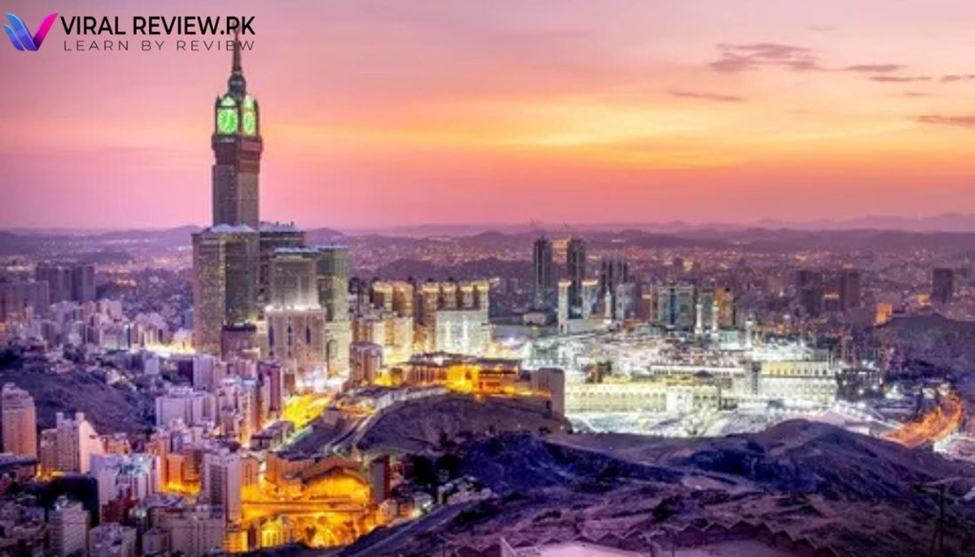
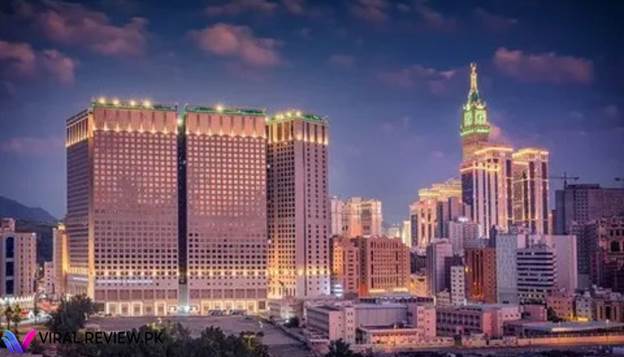
- Clock Tower district (Abraj Al Bait) — the closest possible proximity to Masjid al-Haram, home to the tallest and most expensive luxury towers, with direct views of the Kaaba from many rooms.
- Ajyad — slightly further out but still walkable to the Haram, with a strong mix of mid-range and upper mid-range hotels.
- Aziziyah — the budget-friendly zone, roughly 2–5 km from the Haram, relying on shuttle buses rather than walking distance, popular with group tour packages.
Food Near Masjid al-Haram
The streets immediately surrounding the Haram are dense with halal food courts, bakeries, and international fast-food chains, alongside traditional Saudi and regional Middle Eastern restaurants. Many pilgrims plan meals around prayer times rather than fixed hours — eating shortly after a prayer rather than right before one, since restaurants and food courts get extremely busy in that narrow window between the call to prayer and the prayer itself.
Safety in Makkah
Safety is a recurring theme in this Makkah Travel Guide, and for good reason. Saudi Arabia is widely regarded as a safe country for pilgrims, but crowd density around the Haram — particularly during Ramadan and peak Umrah season — is the most practical safety consideration. Stick close to your group, agree on a meeting point if you get separated, and keep a photo of your hotel’s name and address on your phone.
Weather in Makkah
Weather shapes almost every other decision in this Makkah Travel Guide, from packing to ritual timing. Makkah has a hot desert climate with very little seasonal relief. Summer months bring intense heat that can make outdoor rituals genuinely taxing, which is why many experienced pilgrims schedule Tawaf and Sa’i for the early morning, late evening, or overnight hours when temperatures drop. Winter (roughly November through February) is considerably milder and is often considered the most physically comfortable time to visit, though it coincides with higher demand from pilgrims trying to avoid the heat.
Makkah with Family and Elderly Pilgrims
Traveling with family adds another layer to this Makkah Travel Guide, since needs change with mobility and age.
- Wheelchair services — Masjid al-Haram offers wheelchair rental and dedicated upper-floor Tawaf routes designed for pilgrims with mobility needs.
- Children — bring familiar snacks and comfort items, and plan for rest breaks; the sensory intensity of the Haram (crowds, heat, sound) can be a lot for young children.
- Elderly relatives — book hotels as close to the Haram as your budget allows to minimize walking distance, and consider performing rituals in smaller sessions rather than all at once.
Most Important Umrah Travel Tips
- Do register your Umrah permit on the Nusuk app before you rely on it at the Haram.
- Do carry a printed and digital copy of your visa, passport, and hotel booking.
- Do wear broken-in, comfortable footwear for the amount of walking involved.
- Don’t attempt Tawaf or Sa’i during the most crowded hour right before a major prayer if you can avoid it.
- Don’t photograph other worshippers without their consent, especially women.
- Don’t underestimate the heat — carry water and pace yourself, especially with elderly family members.
Estimated Trip Cost
Budgeting is one of the most practical sections of this Makkah Travel Guide. Costs vary widely by season, but as a rough guide for a 7–10 day Umrah trip per person:
- Budget — modest guesthouse or Aziziyah-area hotel, shared transport, economy flights: roughly the lower end of a few hundred to just over a thousand US dollars, excluding international airfare.
- Mid-range — Ajyad-area hotel, private transport, standard economy flights: a moderate step up, often double the budget tier.
- Luxury — Clock Tower hotel with Kaaba views, private transport, business-class or premium flights: significantly higher, often several times the mid-range cost.
Actual figures depend heavily on your home country, travel season (Ramadan is notably more expensive), and whether you book through a package agent or independently.
Sample Umrah Itinerary (3–5 Days)
Use this sample plan from the Makkah Travel Guide as a starting template and adjust it to your own pace.
Day 1 — Arrival: Land in Jeddah, transfer to Makkah, check into your hotel, rest, and enter Ihram before or upon reaching the outskirts of the city.
Day 2 — Core Umrah: Perform Tawaf, pray at Maqam Ibrahim, drink Zamzam water, complete Sa’i, and conclude with Halq/Taqsir.
Day 3 — Reflection and worship: Spend time in Masjid al-Haram for the five daily prayers, and consider a visit to Jannat al-Mualla.
Day 4 — Optional side trips: Visit Jabal al-Nour and the Cave of Hira for those able to make the climb, or simply spend more time in worship near the Haram.
Day 5 — Departure: Final prayers at the Haram, checkout, and transfer back to Jeddah for departure.
Packing Checklist for Umrah
- Ihram garments (two unstitched pieces for men; modest, loose clothing for women)
- Comfortable sandals or slip-on shoes
- Small prayer mat and prayer beads (tasbih)
- Reusable water bottle
- Personal toiletries (unscented, per Ihram restrictions)
- Copies of passport, visa, and Nusuk registration
- Lightweight, breathable daywear for outside Ihram periods
- Basic first-aid items and any personal medication
Common Mistakes First-Time Pilgrims Make
- Not training physically for the amount of walking involved.
- Attempting Tawaf during the most crowded hour of the day.
- Forgetting to register their permit on the Nusuk app before relying on it.
- Overpacking, which becomes a burden during transit and hotel changes.
- Booking hotels far from the Haram without accounting for shuttle wait times.
Emergency Numbers and Pilgrim Assistance Services
- 911 — Unified emergency number (police, ambulance, fire) in the Makkah region
- 997 — Ambulance (Saudi Red Crescent), also reachable via the Asefny app
- 999 — Police (nationwide alternative)
- 998 — Civil Defence (fire, hazards)
- 1966 — Ministry of Hajj and Umrah pilgrim assistance hotline, supporting multiple languages
Photography Rules Inside Masjid al-Haram
Photography is generally permitted for personal use, but pilgrims should avoid photographing other worshippers, especially women, without consent, and should be mindful during moments of prayer. Professional filming equipment, drones, and commercial photography typically require separate authorization from Saudi authorities. As a general courtesy, keep phone use unobtrusive during Tawaf and prayer times so it doesn’t disrupt others.
Distances from Makkah to Other Major Cities
- Makkah → Jeddah: Approximately 85 km
- Makkah → Madinah: Approximately 440 km
- Makkah → Taif: Approximately 88 km
- Makkah → Riyadh: Approximately 870 km
- Makkah → Abha: Approximately 630 km
- Makkah → Al Baha: Approximately 380 km
Frequently Asked Questions – Makkah Travel Guide
Can I perform Umrah without a guide?
Yes — Umrah’s core rituals can be performed independently, though many first-timers find it reassuring to travel with a group or agent for logistics and guidance.
How long does Umrah take?
The core rituals (Tawaf, Sa’i, and concluding rites) typically take a few hours, though most pilgrims plan several days in Makkah for rest, prayer, and reflection.
What’s the difference between Umrah and Hajj?
Umrah is shorter, voluntary, and can be done any time outside the Hajj season; Hajj is obligatory once in a lifetime for those able, and happens only on fixed dates.
Do I need a visa specifically for Umrah?
Not necessarily — many nationalities can perform Umrah on a standard tourist eVisa, while others need a dedicated Umrah visa.
What should women wear during Umrah?
Loose, modest clothing that covers the body; many women wear an abaya with a headscarf.
Can I visit Madinah on the same trip?
Yes — most pilgrims combine Makkah and Madinah into a single itinerary, since the cities are a few hours apart by road or a short flight.
Is it safe to perform Umrah alone?
Generally yes, though staying near the Haram and keeping your documents and Nusuk registration accessible is recommended for solo travelers.
What’s the best way to avoid crowds during Tawaf?
Aim for late morning, mid-afternoon, or overnight hours, avoiding the narrow windows right before and after the five daily prayers.
Final Thoughts – Makkah Travel Guide for Muslims
If you take one thing away from this Makkah Travel Guide, let it be this: there’s a reason pilgrims describe their first glimpse of the Kaaba as something words don’t quite capture. Makkah asks something of every visitor — patience in the crowds, humility in the heat, discipline in preparation — and gives back something that outlasts the trip itself. The practical details in this guide are meant to clear away the friction so that the spiritual purpose of your journey has room to breathe. Plan carefully, pack light, and give yourself permission to slow down once you’re there; the logistics matter, but they’re only ever in service of the moment you’re actually there for.
Quote of Inspiration
A pilgrimage is not measured in miles traveled, but in the distance the heart closes between itself and its Creator.