

Every good Taif Travel Guide begins with a confession: most visitors to Saudi Arabia fly straight past this mountain city on their way to Jeddah or Makkah, and they miss one of the kingdom’s most rewarding escapes. Perched at over 1,800 metres above sea level, Taif is the country’s summer capital for a reason — cool breezes, terraced orchards, and a slower pace that feels worlds away from the desert lowlands. This Taif Travel Guide is built for travelers who want more than a checklist; it is designed to help you plan a trip around the things that actually make Taif special, from fragrant rose farms to winding mountain roads.
What makes this Taif Travel Guide different is its focus on realistic, first-hand style planning rather than generic sightseeing lists. We cover Taif Tourism essentials, the world-famous Rose Festival, the dramatic Al Hada pass, the cooler heights of Al Shafa, a ride on the Taif Cable Car, and the sweet tradition of local Honey Farms. Whether you are chasing Things to Do in Taif for a weekend, comparing Taif Hotels for a family trip, or simply curious about Summer in Taif, this guide walks you through everything step by step.
While millions of travelers head to AlUla, Saudi Arabia for its rock-cut tombs and desert glamping, Taif quietly offers a completely different kind of magic — misty mountain air, rose valleys blooming every spring, and a cable car ride that rivals anything in the region for sheer drama. Pair a Taif getaway with a stop in AlUla, Saudi Arabia, and you get two sides of the kingdom in a single trip: ancient desert heritage and cool highland charm. That contrast alone is why this Taif travel guide insists Taif is not a detour — it is a destination in its own right.
Quick Facts – Taif Travel Guide
Before diving into attractions, here is the essential snapshot every Taif travel guide should open with — the numbers and logistics that shape how you plan the rest of the trip.
| Quick Facts | Details |
|---|---|
| Location | Makkah Province, Western Saudi Arabia |
| Elevation | Approximately 1,700 meters (5,580 ft) above sea level |
| Nearest Airport | Taif International Airport (TIF) |
| Best Time to Visit | March to May & September to November |
| Recommended Stay | 2–3 Days |
| Famous For | Rose Gardens, Cool Climate, Mountains, Fruit Farms & Historic Souqs |
| Top Attractions | Al Hada Mountain, Al Shafa, Taif Rose Factory, Shubra Palace, Souq Okaz, Arruddaf Park |
| Currency | Saudi Riyal (SAR) |
| Language | Arabic (English is commonly spoken in hotels and tourist areas) |
| Time Zone | Arabia Standard Time (AST, UTC+3) |
| Average Summer Temperature | 22–35°C (72–95°F) |
| Best For | Nature Lovers, Families, Couples, Road Trippers, History Enthusiasts & Photographers |

Famous Places Every Taif Travel Guide Should Cover
Al Shafa Mountain
Rising above the haze of the lowlands, Al Shafa is Taif’s cooler, quieter cousin to the busier mountain roads — a favorite among locals for weekend picnics and sunset drives. Wooden chalets dot the cliffside, and the viewpoints here offer some of the best panoramic photography in the entire region, especially in the golden hour before dusk. Families often combine a visit to Al Shafa with fresh produce stalls selling pomegranates, figs, and prickly pears grown on the terraced slopes.
The drive up to Al Shafa is itself part of the experience, winding through pine-dotted hills that feel more Mediterranean than Arabian. Many travelers rent a chalet for a single night just to wake up above the cloud line, and this small detour is consistently rated among the most memorable stops in any Taif travel guide built around nature and quiet scenery. Quick facts: Elevation ~2,500m | Best for cool air and scenic drives | Ideal in spring and summer.
Al Hada Mountain and the Taif Cable Car
No Taif travel guide is complete without Al Hada, the winding mountain road famous for its hairpin turns, roadside baboons, and jaw-dropping drops toward the coastal plain below. It is especially popular during Summer in Taif, when lowland cities swelter and this route stays refreshingly cool.
Rose Festival and the Rose Farms of Taif
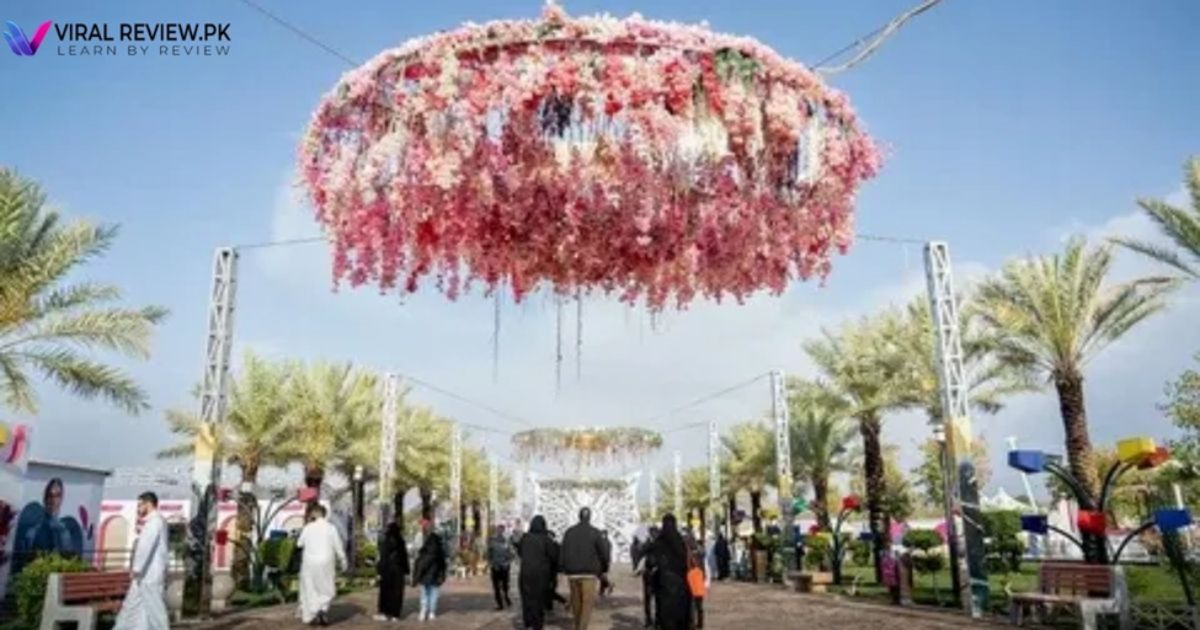
Held every spring, the Rose Festival celebrates Taif’s centuries-old rose-growing tradition, when thousands of fields burst into bloom almost overnight. Visitors can tour working rose farms, watch traditional distillation of rose water and rose oil, and join festival parades filled with music, local crafts, and floral displays across the city. Timing a trip around the Rose Festival is, for many, the single best reason to build an entire Taif travel guide itinerary around this season.
Beyond the visual spectacle, the Rose Festival supports a genuine local industry — much of Taif’s rose oil is exported internationally, and small family-run farms often welcome visitors for informal tours that larger commercial operations don’t offer. Because demand for Taif Hotels spikes sharply during this window, booking accommodation weeks in advance is one of the most practical tips in this entire guide. Quick facts: Usually held in April | Distillation demonstrations available to visitors | Rose products make excellent souvenirs.
Shubra Palace
A striking piece of Ottoman-era architecture, Shubra Palace sits in the heart of the old city and now functions as a small museum showcasing Taif’s royal and cultural history. Its carved wooden balconies and pastel façade make it a favorite stop for anyone interested in the region’s heritage rather than just its natural scenery. It is a compact but memorable addition to any list of Things to Do in Taif, especially for travelers interested in the historical layers beneath the mountain views.
Souq Okaz and Local Honey Farms
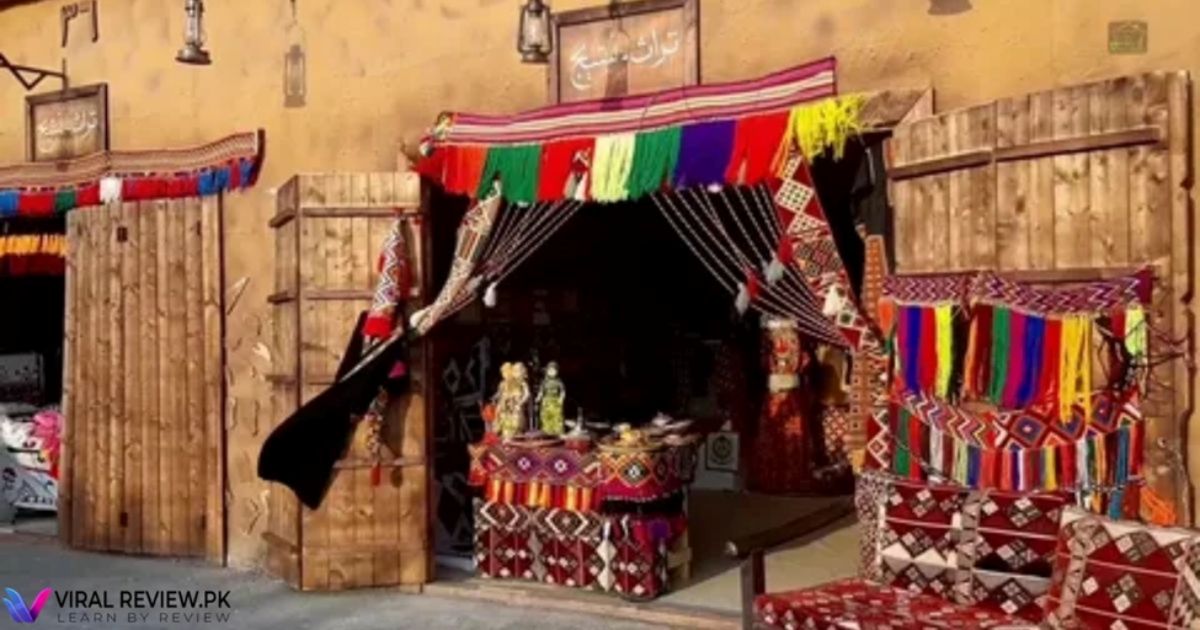
Once an ancient pre-Islamic trading and poetry market, Souq Okaz has been revived as a cultural site and modern souq showcasing crafts, food, and performances. Nearby, small-scale Honey Farms let visitors sample and buy some of the purest honey in the kingdom, harvested from mountain wildflowers and prized across Saudi Arabia. Combining the souq with a stop at the Honey Farms rounds out a cultural and culinary picture that most guides overlook.
Local beekeepers often explain the seasonal harvesting process, and prices at the Honey Farms are typically far more reasonable than what you’ll find in city supermarkets or airport gift shops. For a well-rounded Taif travel guide experience, pairing a morning at Souq Okaz with an afternoon honey tasting makes for one of the most satisfying half-days in the entire trip. Quick facts: Souq Okaz revived as a heritage festival site | Honey Farms offer tastings | Great for edible souvenirs.
Suggested 3-Day Taif Travel Guide Itinerary
Day 1 — Mountains and Views: Start at Al Hada, ride the Taif Cable Car, and spend the afternoon at Al Shafa for cooler air and scenic photography. Check into one of the Taif Hotels near the mountain viewpoints to save on transfer time.
Day 2 — Roses and Heritage: Visit a rose farm during the Rose Festival season, tour Shubra Palace, and wrap up with an early dinner featuring local mountain produce.
Day 3 — Markets and Flavors: Spend the morning at Souq Okaz, sample fresh honey at the Honey Farms, and pick up rose-water souvenirs before heading back toward Jeddah or your next stop, such as AlUla, Saudi Arabia.
Taif at a Glance: Practical Perspectives
The following breakdown condenses the most-asked practical questions into eight quick sections, so you can plan the logistics side of this Taif travel guide without digging through multiple sources. Taif Tourism officials have steadily improved signage and visitor infrastructure in recent years, which makes independent travel easier than it was even a few seasons ago.
Getting Around & Transport
Taxis, ride-hailing apps, and rental cars are the most practical way to get around Taif, since public transit is limited outside the city center. Mountain routes toward Al Hada and Al Shafa are best tackled with a rented car or a private driver familiar with the winding roads, particularly if you are combining multiple Things to Do in Taif in one day.
Road signage is generally clear and bilingual on major routes, though narrower mountain lanes can be steep, so drivers unfamiliar with switchback roads may prefer hiring a local driver for the day rather than self-driving. Fuel stations are frequent along the main highways, and most ride-hailing apps work reliably within the city, though wait times can be longer once you head into the higher, less populated mountain routes.
If you’re arriving by air, arranging airport pickup in advance is worth the small extra cost, since Taif International Airport sits a fair distance from the city center and taxi availability there can be inconsistent outside peak hours. For multi-day trips that mix city sightseeing with mountain excursions, a rental car with a full tank and a downloaded offline map gives the most flexibility, especially since mobile coverage can briefly drop in the deeper mountain valleys.
Culture & Local Insights
Taif’s culture blends Bedouin mountain traditions with the hospitality customs found across Saudi Arabia, and locals are generally welcoming toward respectful visitors. Modest dress is appreciated, especially near mosques and traditional markets, and greeting shopkeepers in Arabic — even a simple “Salam” — goes a long way in local interactions. A useful local insight: shop owners at smaller stalls are often happy to explain how a product is made, from rose distillation to honey harvesting, if you simply ask — these small conversations tend to be the most memorable part of any visit.
Prayer times shape the daily rhythm of the city, and many shops briefly close for short periods throughout the day, so it helps to plan errands or meals around these windows rather than around them. Friday mornings tend to be quieter across the city, making it a good time for slower sightseeing before family gatherings and local outings pick up in the afternoon.
Photography & Best for Nature
Between rose fields in bloom, cable car panoramas, and misty cliffside viewpoints, Taif is arguably one of Saudi Arabia’s most photogenic regions outside the desert landscapes made famous by AlUla, Saudi Arabia. Early morning and late afternoon light on the mountain roads consistently produces the best nature shots, and overcast days can actually work in your favor by softening harsh midday contrast around the rose terraces. Wildlife spotters should keep an eye out for baboons near Al Hada’s cliffs, though it’s best to admire them from a distance and avoid feeding them.
Drone photography requires prior permission in Saudi Arabia, so travelers planning aerial shots of the rose valleys or mountain switchbacks should check current regulations before their trip rather than assume it’s allowed everywhere. For those without a drone, the viewing decks near the Taif Cable Car station offer some of the highest accessible vantage points without any special equipment at all.

Food & Realistic Travel Advice
Local cuisine leans on grilled meats, fresh mountain produce, and rose-infused sweets that you won’t easily find elsewhere in the kingdom. A realistic tip: prices at tourist-facing restaurants near major viewpoints run higher, so venturing a few streets into the local souq usually rewards you with better food at better value. Small family-run eateries near the rose farms often serve the most authentic meals, and it’s worth asking locals for recommendations rather than relying solely on online reviews, which can be sparse for smaller establishments in this region.
Best Seasons to Visit, Hotels & Luxury Resorts
Taif Hotels range from simple mountain guesthouses to polished resort-style stays with panoramic terraces, and booking early during the Rose Festival season is strongly advised since rooms fill quickly. The two standout seasons remain spring, for blooming roses, and Summer in Taif, when the city becomes a cool-weather refuge for travelers escaping the heat elsewhere in Saudi Arabia.
Mid-range and luxury properties near Al Hada and the cable car station tend to book out fastest, so travelers on a flexible schedule may find better rates and availability by shifting their trip a week or two outside peak festival dates.
Taif Weather Throughout the Year
| Month | Avg. Temperature | Conditions |
| January | 12–22°C | Cool, clear, occasional mountain fog |
| February | 13–23°C | Mild and pleasant |
| March | 15–26°C | Warming up, early rose blooms |
| April | 17–30°C | Rose Festival season, ideal weather |
| May | 20–32°C | Warm, dry, comfortable evenings |
| June | 22–35°C | Hottest month; start of Summer in Taif rush |
| July | 23–34°C | Hot days, cool mountain nights |
| August | 23–33°C | Peak summer tourist season |
| September | 21–32°C | Gradually cooling |
| October | 18–28°C | Comfortable, great for hiking |
| November | 14–25°C | Crisp and clear |
| December | 12–22°C | Cold nights, cozy mountain stays |
Realistic Travel Tips Worth Knowing
A few honest notes round out this Taif travel guide: weekends (Thursday and Friday) get noticeably busier at major viewpoints like Al Hada and the Taif Cable Car, so weekday visits are calmer and easier for photography. Cash is still useful in smaller souqs and at farm stalls, even though most Taif Hotels and restaurants accept cards without issue.
If you’re traveling during Summer in Taif, pack layers — daytime warmth can drop quickly once the sun sets at higher elevations like Al Shafa. And if your trip includes a side journey to AlUla, Saudi Arabia, build in at least a full travel day between the two, since the terrain and driving conditions differ significantly from Taif’s mountain roads.

Distances from Taif to Other Major Cities
- Taif → Makkah: Approximately 88 km
- Taif → Jeddah: Approximately 170 km
- Taif → Al Baha: Approximately 220 km
- Taif → Abha: Approximately 450 km
- Taif → Riyadh: Approximately 780 km
- Taif → Madinah: Approximately 450 km
FAQs – Taif Travel Guide
What is Taif best known for?
Taif is best known for its rose farms, cooler mountain climate, and the annual Rose Festival that draws visitors from across Saudi Arabia.
When is the best time for a Taif travel guide itinerary?
Spring (March–April) for roses, and summer for cooler mountain relief compared to lowland cities.
Is Taif suitable for families?
Yes, with parks, mild weather, and low-intensity attractions like the cable car and Shubra Palace.
How far is Taif from Jeddah?
Around 200 km, roughly a 2 to 2.5-hour drive, depending on route and traffic through Al Hada.
Is the Taif Cable Car worth it?
Absolutely — it’s one of the most scenic and affordable Things to Do in Taif for panoramic views.
Are Honey Farms open to tourists?
Most Honey Farms near Taif welcome visitors for tastings and small purchases, especially during peak season.
Is Taif worth visiting in winter?
Yes. Winter offers cool weather, fewer crowds, and excellent conditions for sightseeing and hiking.
Final Thoughts – Taif Travel Guide
A well-planned Taif travel guide proves that Saudi Arabia’s appeal reaches far beyond its deserts and holy cities. Between the cool cliffs of Al Shafa, the dramatic descent of the Taif Cable Car, and the fragrant chaos of the Rose Festival, Taif offers a side of the kingdom that rewards travelers who slow down and explore intentionally rather than rushing through a checklist.
No trip needs to be complicated to be memorable. Book a comfortable room from a shortlist of solid Taif Hotels, block out a morning for the Rose Festival or rose farms depending on the season, and leave room in your schedule for slower moments — a quiet chalet evening at Al Shafa, or an unhurried honey tasting after the souq. Those are the details that turn a good trip into one worth repeating, and they are exactly what Taif travel guide has been written to help you plan.
Quote of Inspiration
Taif doesn’t shout for attention — it earns it, one rose field and one mountain view at a time.